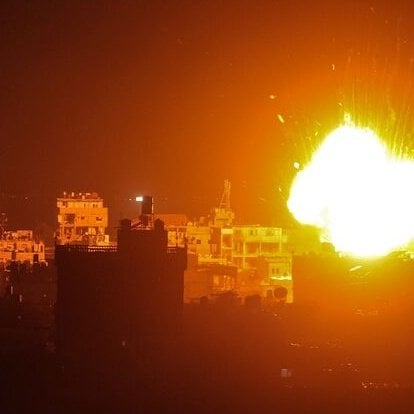




ISLAMABAD: The Pakistan Air Force executed a series of targeted airstrikes early Friday on Afghan Taliban military installations in Kabul and Kandahar, marking a significant escalation in the ongoing border tensions between the two nations.
Security sources described the operation, named Ghazab Lil Haq or Wrath for the Truth, as a direct response to recent unprovoked cross-border attacks by Afghan forces on Pakistani positions.
The strikes focused on high-value military targets, including brigade and corps headquarters, ammunition depots, logistics bases, and other strategic sites linked to operations against Pakistan.
In Kabul, reports indicate the destruction of two brigade headquarters, severely disrupting command structures in the Afghan capital.
Kandahar saw similar impacts, with one corps headquarters and one brigade headquarters destroyed, alongside a major ammunition depot and associated logistics facilities.
Paktika province also featured in the operation, where a corps headquarters was reportedly hit, further weakening Taliban military coordination in eastern Afghanistan.
Pakistani officials emphasized that the airstrikes were intelligence-based and selective, aimed at neutralizing threats originating from Afghan soil.
The operation followed a surge in militant activities attributed to the Tehreek-e-Taliban Pakistan (TTP), which Islamabad accuses the Afghan Taliban of sheltering.
Among the reported outcomes, significant damage to TTP-affiliated sites occurred, with unconfirmed claims suggesting the TTP chief or high-value targets may have been affected during the strikes.
Multiple sources highlighted heavy casualties on the Afghan side, with estimates ranging from dozens to over a hundred Taliban fighters killed or injured across the targeted locations.
State broadcaster PTV reported that the strikes effectively neutralized key Taliban defense assets, including ammunition storage that could have fueled further incursions.
This development comes against a backdrop of repeated Pakistani assertions that TTP militants use Afghan territory to plan and launch attacks inside Pakistan.
The TTP has intensified operations in recent years, with attacks on security forces and civilians rising sharply since the Afghan Taliban assumed control in 2021.
Data from conflict monitoring sources indicate hundreds of TTP-claimed incidents annually, straining Pakistan’s internal security apparatus.
Pakistan has long demanded that Kabul dismantle TTP safe havens, but negotiations have yielded limited results, prompting unilateral actions.
Earlier incidents, including airstrikes in 2025 targeting TTP leadership in Kabul, set a precedent for such operations, though outcomes varied with some reports of key figures surviving.
The current strikes appear more extensive, covering urban centers like Kabul and southern strongholds like Kandahar, signaling a broader strategic intent.
Afghan Taliban spokespersons condemned the airstrikes as violations of sovereignty, vowing an appropriate response while denying that their territory hosts anti-Pakistan militants.
They claimed civilian casualties in some areas, though Pakistani sources rejected these assertions, insisting on precision targeting of military infrastructure.
The operation unfolded hours after reported Afghan attacks along the Durand Line, highlighting the volatile cycle of retaliation.
Pakistan’s military maintains that such actions are defensive, aimed at protecting national security amid persistent threats.
Analysts note that the destruction of ammunition depots and headquarters could temporarily degrade Taliban capabilities to support proxy groups.
However, the porous border and deep-rooted militant networks suggest challenges in achieving lasting deterrence.
The strikes have drawn international attention, with calls for de-escalation to prevent a wider conflict in the region.
Pakistan reiterated its commitment to regional stability while prioritizing citizen safety from cross-border terrorism.
As details emerge, the full impact on TTP operations and Afghan military posture remains under assessment.
The episode underscores the complex interplay of security concerns, historical alliances, and unresolved border issues between the neighbors.
Further developments are anticipated as both sides evaluate the consequences and potential next steps in this intensifying standoff.