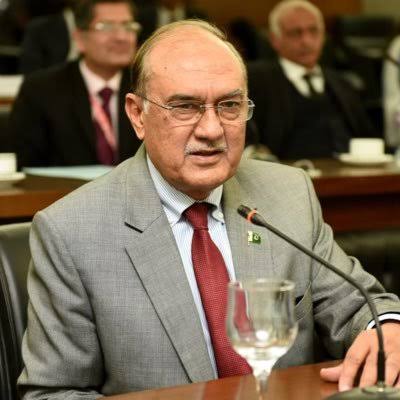




ISLAMABAD: Retired Lieutenant General Naeem Khalid Lodhi, former defence secretary of Pakistan, has cautioned that Israel could direct its counter-proliferation efforts toward Pakistan’s nuclear arsenal once it achieves its objectives against Iran, underscoring the need for heightened strategic vigilance in a shifting regional landscape.
In recent analyses and interviews amid escalating Middle East tensions, General Lodhi has emphasized that weakening Iran may embolden further actions against other Muslim-majority nuclear-capable states. He has described such a sequence as a present and immediate danger, urging Pakistan to recognize threats from expansive geopolitical agendas including those associated with Greater Israel concepts.
General Lodhi has repeatedly pointed to Israel’s provocative role in regional conflicts, asserting that only Israel seeks to expand warfare while Iran focuses on measured responses. He has advocated for strengthened alliances among Muslim nations, including potential solidarity between Pakistan, Iran, and Turkey, to counter emerging pressures.
These contemporary warnings build upon a pattern of longstanding Israeli concerns regarding Pakistan’s nuclear program. Historical records from the 1970s show Israeli Prime Minister Menachem Begin pressing Western leaders to impede Pakistan’s nuclear development, then labeled an “Islamic bomb.”
In the 1980s, Israeli intelligence operations reportedly targeted elements of Pakistan’s nuclear supply chain. Mossad was implicated in sabotage efforts and attempts to disrupt key networks linked to Abdul Qadeer Khan.
During that period, discussions surfaced about possible pre-emptive strikes on Pakistani facilities, potentially coordinated with India, though such plans were not executed due to risks of broader escalation and retaliation.
Pakistan’s nuclear tests in 1998 established its status as a declared nuclear power, reinforcing a defensive doctrine centered on credible minimum deterrence primarily against India.
Recent statements from Israeli figures have intensified Pakistani concerns. Former Deputy Defence Minister Meir Masri posted on social media in Arabic and Urdu that after actions against Iran, efforts might extend to dismantling Pakistan’s nuclear program, noting geographical proximity as a factor.
While Masri holds no current official position, his remarks, made in mid-2025, have drawn condemnation and highlighted persistent sensitivities in Israeli strategic thinking toward nuclear proliferation in the region.
Pakistan maintains that its nuclear capability serves exclusively as a deterrent against existential threats from India, with clearly defined red lines encompassing territorial integrity, military aggression, economic viability, and political stability.
Official channels have dismissed unsubstantiated claims of extended nuclear commitments to other states, including Iran, often attributing such narratives to disinformation campaigns.
In response to regional developments, Pakistani authorities have condemned Israeli military operations against Iran as breaches of sovereignty and international law, while calling for diplomatic pathways to de-escalation.
General Lodhi’s assessments align with broader security discourse in Pakistan, stressing robust command and control, second-strike capabilities, and national resolve as essential safeguards.
The non-proliferation landscape remains asymmetric, with Israel maintaining an undeclared nuclear arsenal outside the Nuclear Non-Proliferation Treaty framework, estimated at approximately 90 warheads.
This disparity continues to fuel debates on global security standards and the challenges of addressing de facto nuclear states without universal treaty adherence.
Analysts observe that speculative linkages between Iran’s situation and potential threats to Pakistan risk heightening misperceptions and instability.
Diplomatic engagement, confidence-building initiatives, and adherence to restraint principles are viewed as critical to averting unintended escalations in an already complex environment.
Pakistan’s posture emphasizes strategic clarity, non-involvement in extraneous conflicts, and prioritization of regional peace through multilateral approaches.