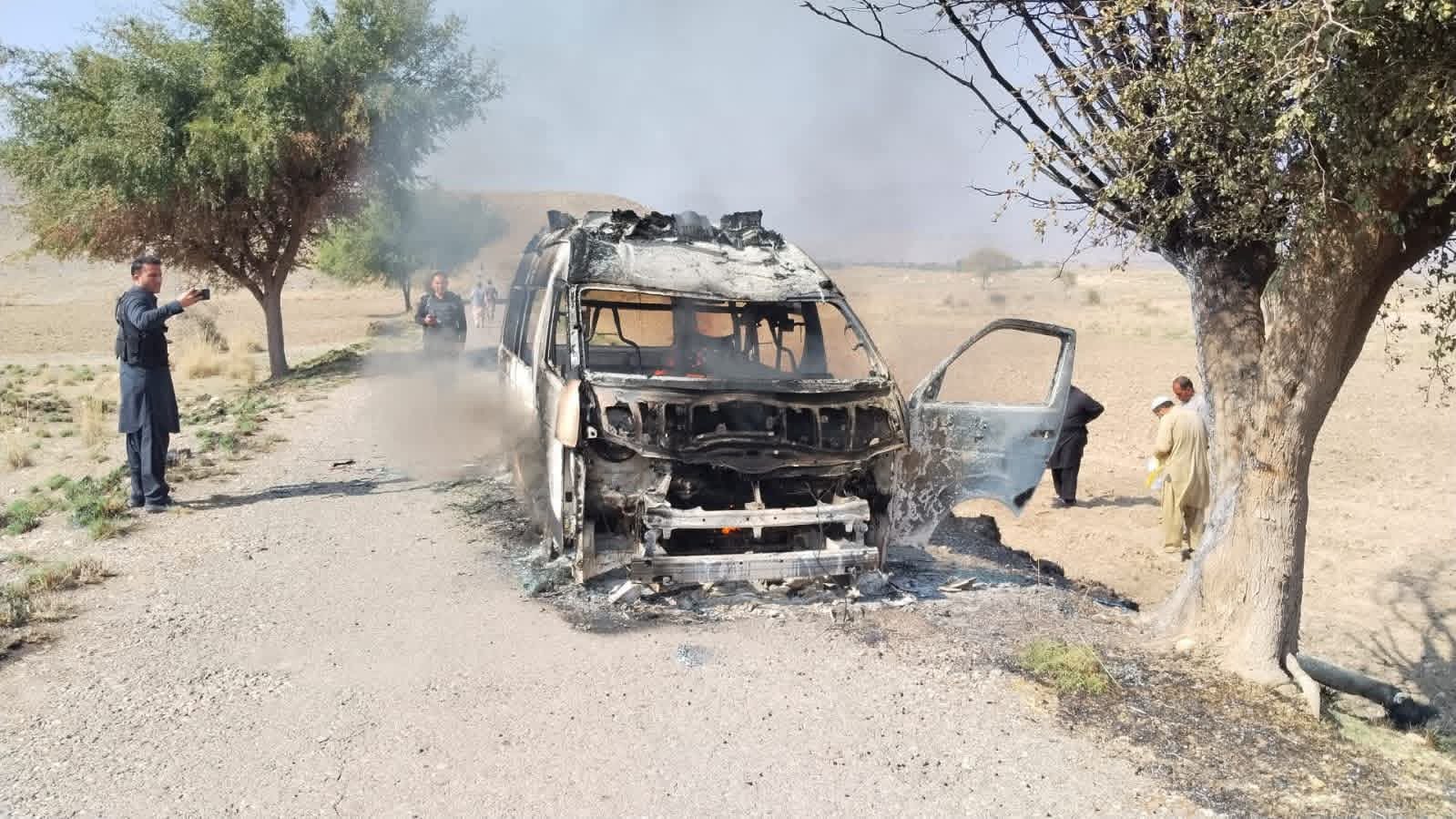




ISLAMABAD: In a shocking display of absolute barbarism, Tehreek-i-Taliban Pakistan (TTP) terrorists, often referred to as Fitna al-Khawarij (FAK), attacked and set fire to two ambulances transporting injured Pakistani soldiers in Karak district of Khyber Pakhtunkhwa on Monday, martyring three soldiers who were already wounded.
The incident unfolded during an ongoing security operation in the region, where militants ambushed a military convoy or post, leading to casualties on both sides. Eyewitness accounts and initial reports indicate that the attackers deliberately targeted the medical evacuation vehicles, violating international humanitarian laws that protect ambulances and medical personnel in conflict zones.
Security officials confirmed that the ambulances were clearly marked and en route to medical facilities when militants opened fire and used incendiary devices to burn them. The three martyred soldiers succumbed to their injuries amid the blaze, highlighting the ruthless tactics employed by the group.
This attack comes amid a sharp escalation in militant violence across Khyber Pakhtunkhwa since the TTP ended its ceasefire in late 2022. Data from security reports show a significant rise in terrorist incidents, with the province bearing the brunt due to its proximity to the Afghan border.
Analysts point to the permissive environment in Afghanistan, where TTP fighters reportedly find sanctuary, as a key factor fueling the resurgence. Pakistan has repeatedly raised concerns with Afghan authorities over cross-border facilitation of such groups.
The TTP, designated a proscribed organization, has intensified operations under campaigns like Al-Khandaq in recent months. Coordinated assaults on security forces in districts including Karak, Bannu, North Waziristan, and others have become more frequent.
In Karak specifically, the district has seen sporadic but deadly attacks, including ambushes on police and military patrols. Recent operations by security forces have eliminated dozens of TTP militants in the area, including raids that destroyed hideouts.
The burning of ambulances represents a grave violation, drawing parallels to tactics condemned globally. International law, including the Geneva Conventions, explicitly prohibits attacks on medical transports and wounded personnel.
Military sources described the act as cowardly, emphasizing that targeting injured soldiers and medical vehicles underscores the terrorists’ disregard for human life and norms of warfare.
Condemnation poured in swiftly. Senior government officials labeled the incident as an act of pure savagery, vowing that such crimes would not deter the resolve to eliminate terrorism.
The Pakistan Army’s media wing has reiterated commitment to root out Fitna al-Khawarij elements. Operations continue in the region to sanitize areas from militant presence.
Statistics reveal the human cost: thousands of security personnel and civilians have lost lives in TTP-related violence over the years. The group has claimed responsibility for numerous high-profile attacks, contributing to instability in border regions.
Experts note that TTP’s tactics have evolved, incorporating ambushes, improvised explosives, and targeted strikes on vulnerable assets like medical evacuations to maximize psychological impact.
The Karak incident is likely to prompt enhanced security protocols for medical evacuations in active conflict zones. Forces may deploy additional escorts or alternative routes to protect wounded personnel.
Public sentiment remains strongly against such barbarity. Social media and public discourse reflect outrage, with calls for decisive action against sanctuaries across the border.
Pakistan continues diplomatic efforts to pressure for action against TTP hideouts. Demarches have been issued highlighting the need for Afghanistan to prevent its soil from being used for attacks on Pakistan.
The military remains steadfast, conducting intelligence-based operations that have neutralized hundreds of militants in recent years. Successes include killing key commanders and dismantling networks.
Despite challenges, security forces have thwarted numerous infiltration attempts along the porous border. Precise engagements have prevented large-scale incursions.
The martyrdom of the three soldiers adds to the long list of sacrifices by Pakistani troops in the fight against terrorism. Their bravery in the face of such adversity serves as inspiration.
This attack reinforces the need for unified national resolve. Eliminating the threat requires sustained operations, intelligence sharing, and addressing root causes.
As investigations proceed, more details may emerge about the perpetrators and their planning. Forensic evidence from the site will aid in identifying those involved.
The nation mourns the loss while reaffirming commitment to peace and security. Such acts of terror will not break the spirit of those defending the homeland.