



ISLAMABAD: A potential military confrontation between the United States and Iran would carry enormous strategic, human and economic costs, with no prospect of a swift or decisive outcome, according to recent assessments by American officials and analysts.
The New York Times has highlighted that President Donald Trump is weighing options for strikes against Iran, following a period of heightened tensions and a massive US military buildup in the Middle East. This deployment includes aircraft carriers, warships and additional air defence systems, marking one of the largest concentrations of American forces in the region in recent decades.
Experts emphasise that any campaign would differ markedly from previous limited operations. Unlike swift actions elsewhere, engaging Iran risks escalation into a prolonged conflict far deadlier than last year’s brief 12-day exchange involving US and Israeli strikes on Iranian sites.
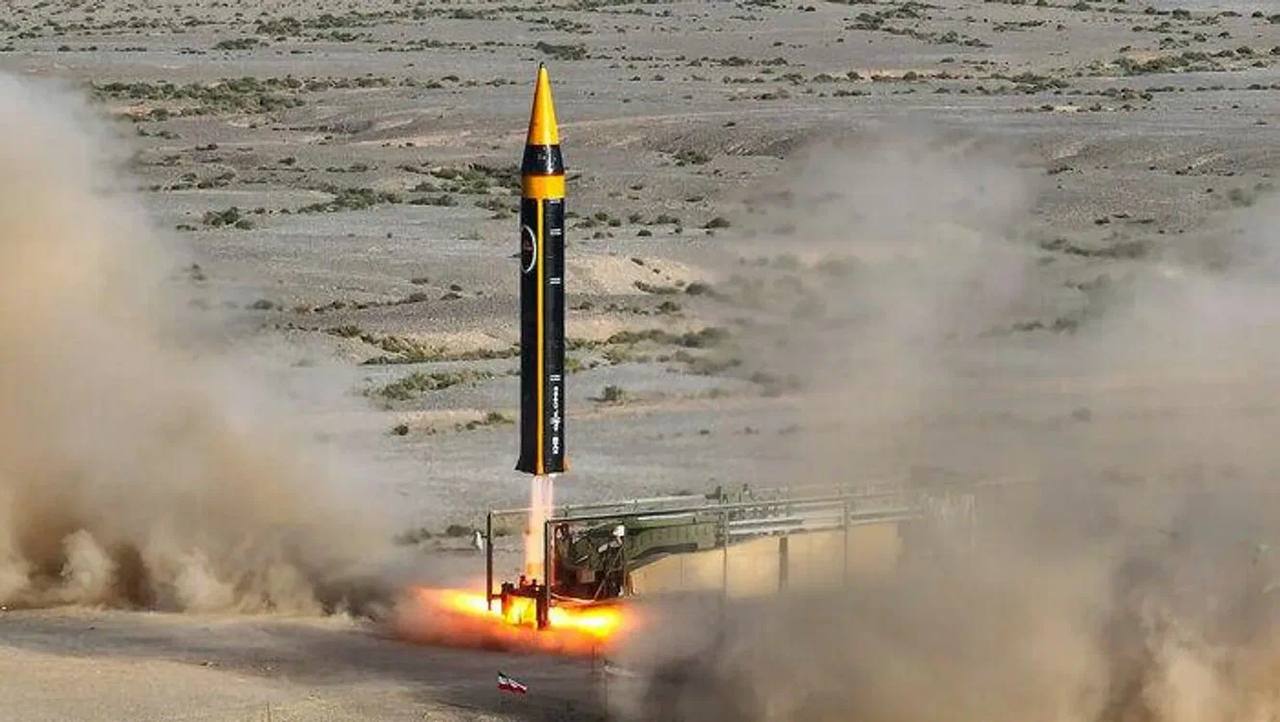
Iran possesses one of the Middle East’s largest ballistic missile arsenals, including short-range and medium-range systems capable of reaching US bases across the Gulf, Israel and allied territories. These weapons, largely preserved despite prior damage, enable saturation attacks that could overwhelm defences and inflict significant harm.
Tehran’s network of regional proxies further complicates the equation. Groups such as Hezbollah, militias in Iraq and Syria, and the Houthis in Yemen could be directed to retaliate against American targets abroad. Security officials warn of potential terrorist operations in Europe and the Middle East, raising the overall costs of any US military campaign.
Analysts note that no low-cost or clean option exists for neutralising Iran’s capabilities. Strikes aimed at nuclear facilities, missile depots or leadership might achieve tactical gains but invite ferocious counter-responses, including barrages on US forces and regional allies.
Gulf states, hosting numerous American bases, express deep apprehension over retaliation on their soil. Countries including Saudi Arabia, the United Arab Emirates and Qatar have urged restraint, fearing disruptions to energy infrastructure and global oil markets through actions in the Strait of Hormuz.
The vulnerability of these installations stems from Iran’s proximity and missile reach. Short flight times and multi-directional threats challenge interception efforts, increasing the likelihood of successful hits even against advanced systems.
Historical parallels underscore the dangers. Prolonged engagements in the region have often led to unforeseen escalations, high casualties and substantial financial burdens. Airstrikes alone, as seen in other theatres, prove expensive and insufficient against determined adversaries with resilient defences.
Iran’s leadership views survival as paramount, rejecting concessions on core elements like uranium enrichment and missile programmes. This stance reduces prospects for de-escalation if military pressure intensifies without clear diplomatic off-ramps.
US officials acknowledge the risks of igniting a wider regional war. Such a conflict could endanger thousands of American troops deployed across multiple bases, destabilise global energy supplies and strain alliances already tested by recent events.
The buildup provides options for punitive actions but lacks elements for extended ground operations or regime change, which would demand far greater resources. Comparisons to other targets highlight Iran’s unique challenges, including terrain, military depth and proxy leverage.
Regional actors, including Israel, press for action against Iran’s missile and nuclear ambitions, yet broader consensus favours diplomacy to avert catastrophe. Gulf capitals have lobbied Washington against strikes, prioritising stability over confrontation.
The calculus remains stark. Any decision to proceed would weigh immediate tactical objectives against long-term perils, including American lives lost, economic shocks and potential for uncontrolled escalation across the Middle East.
As negotiations continue amid military posturing, the absence of a cheap victory option looms large. Analysts stress that miscalculation could transform limited strikes into a costly quagmire, echoing past lessons from regional interventions.
The path forward hinges on balancing deterrence with restraint. Without a viable clean resolution, the costs of war with Iran appear prohibitive for the United States and its partners.