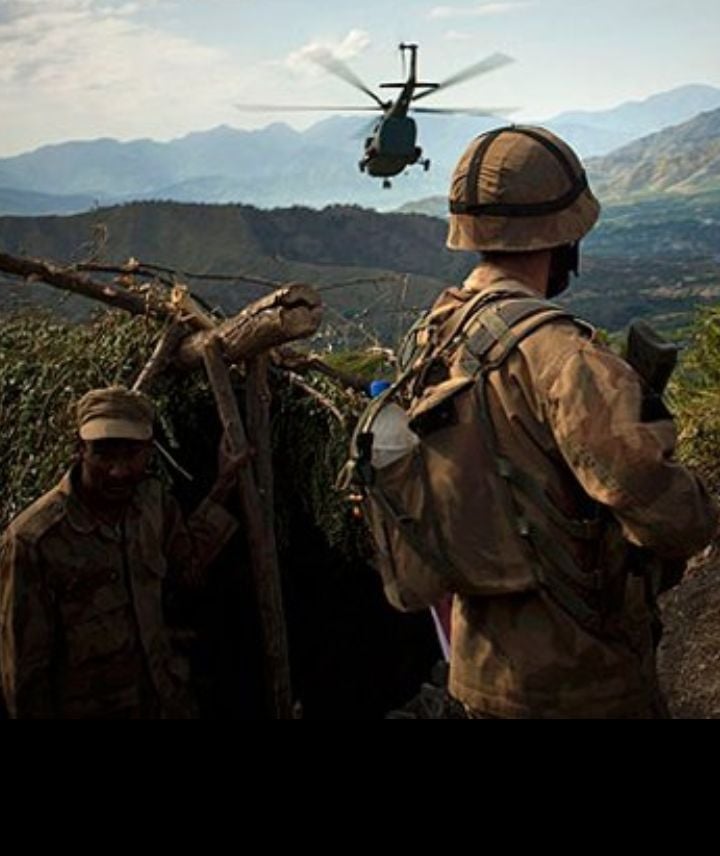




Seven Pakistani soldiers were deceitfully abducted by Fitna al-Hindustan terrorists while traveling on leave from Khuzdar, security sources reveal, as forces launch recovery operations.
ISLAMABAD: Security sources in Balochistan have confirmed the abduction of seven soldiers who were traveling on leave from Khuzdar district. The incident, described as a deceitful operation, was carried out by terrorists belonging to the group designated by Pakistani authorities as Fitna al-Hindustan.
The soldiers were reportedly en route from their postings when they were ambushed and taken captive. No immediate claims of responsibility have surfaced from the group, but the designation Fitna al-Hindustan refers to Baloch separatist elements, particularly the Balochistan Liberation Army, which Pakistan accuses of receiving external backing from India.
Senior journalist Syed Talat Hussain shared details on social media, citing security sources, stating that the abduction occurred in a calculated manner to exploit the soldiers’ movement during leave. He emphasized that security forces immediately initiated operations for their safe recovery.
The incident highlights the persistent security challenges in Balochistan, where separatist activities have intensified in recent years. Khuzdar, a strategically located district, has witnessed multiple attacks targeting security personnel and civilians alike.
According to military statements in recent months, operations against Fitna al-Hindustan have resulted in significant casualties among militants. In January 2026, security forces eliminated several terrorists in Kalat district during intelligence-based operations targeting the group.
Broader counterterrorism efforts in Balochistan have included raids that killed dozens of armed fighters linked to the designation. In one reported sweep, authorities claimed over 100 militants were neutralized, underscoring the scale of ongoing military responses.
The abduction comes against a backdrop of increased militant tactics, including kidnappings aimed at pressuring state institutions. Separatist groups have historically used such incidents to draw attention to their demands for greater autonomy or independence.
Pakistan’s military has consistently maintained that these elements operate with foreign sponsorship, particularly from across the border. Official narratives frame Fitna al-Hindustan as a proxy network designed to destabilize the province and undermine national integrity.
Intelligence reports suggest that militants exploit remote terrains and civilian cover in districts like Khuzdar to carry out ambushes. The province’s vast geography and porous borders with Afghanistan complicate rapid response efforts.
Security analysts note that attacks on personnel traveling in non-operational capacity represent a shift toward softer targets. This tactic aims to demoralize forces and create public pressure through hostage situations.
Efforts to recover abducted personnel typically involve coordinated intelligence-based operations, surveillance, and negotiations where feasible. Authorities prioritize the safety of captives while pursuing dismantlement of militant networks.
The incident has drawn attention to the human cost of the insurgency. Families of security personnel often face prolonged anxiety during such crises, with communities in Punjab and other provinces expressing solidarity.
Balochistan’s security landscape remains volatile, with frequent clashes between forces and militants. Recent months have seen a surge in reported operations, including eliminations of high-value targets linked to the group.
Pakistan’s response strategy emphasizes both kinetic actions and addressing underlying grievances through development initiatives in the province. Infrastructure projects and economic packages aim to counter narratives of marginalization exploited by separatists.
International observers have noted the cross-border dimensions, though evidence of direct foreign involvement remains contested. Pakistan has repeatedly called for regional cooperation to curb terrorism.
The abduction underscores the need for heightened vigilance along travel routes in sensitive districts. Military convoys and leave movements are now likely to receive enhanced security protocols.
As operations continue, security sources stress that all measures are being taken to ensure the soldiers’ safe return. Any harm to the captives would intensify resolve to eradicate the networks responsible.
Public sentiment, amplified through social media, reflects widespread concern and calls for decisive action. Journalists like Syed Talat Hussain play a key role in disseminating verified information amid circulating rumors.
The episode serves as a reminder of the enduring threat in Balochistan. Sustained military pressure combined with political dialogue remains central to restoring stability in the region.