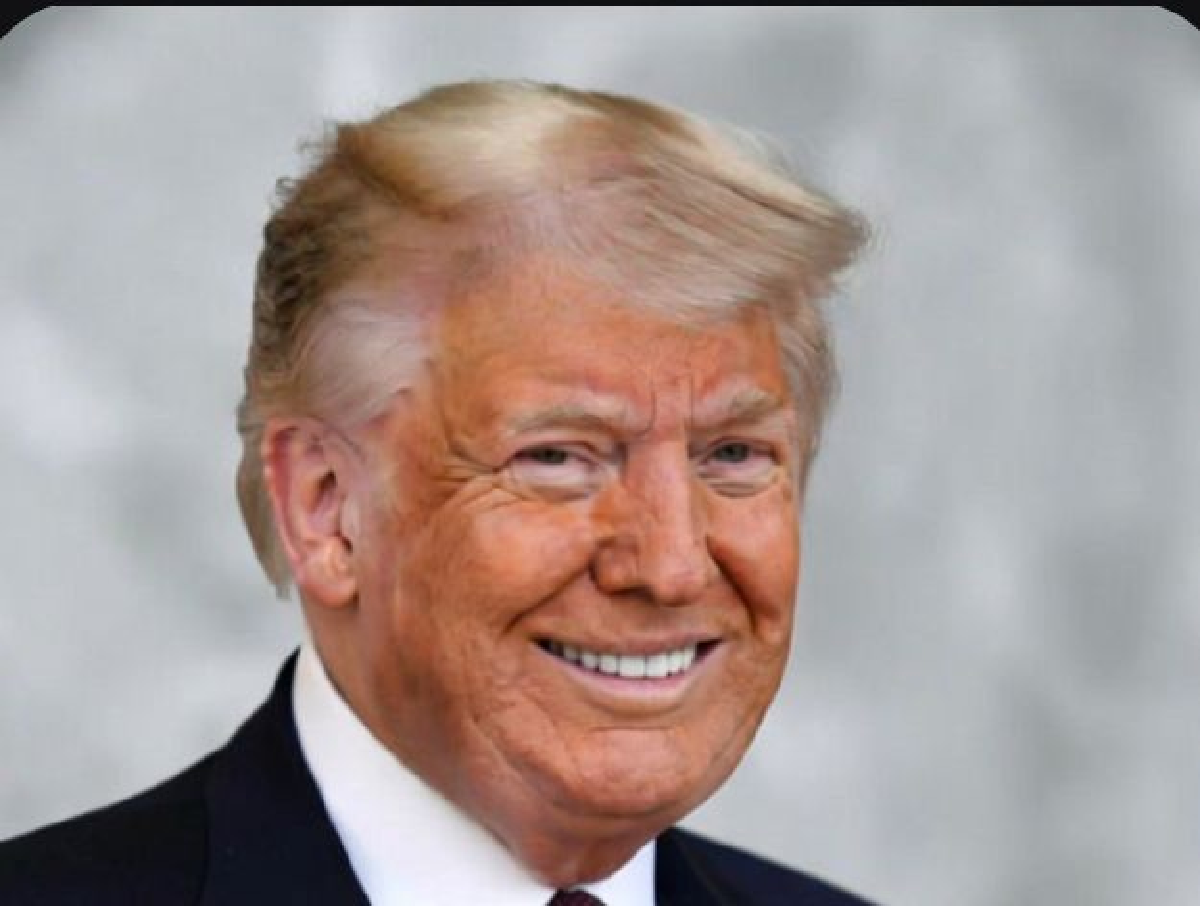




ISLAMABAD: The US Supreme Court on Friday delivered a landmark ruling that struck down President Donald Trump’s sweeping tariffs imposed under a 1977 national emergency law, marking a significant check on executive power and sending ripples through international markets.
In a 6-3 decision authored by Chief Justice John Roberts, the justices held that Trump’s use of the International Emergency Economic Powers Act (IEEPA) to levy broad import taxes exceeded presidential authority.
The ruling invalidates many of the tariffs Trump enacted since the start of his second term, which targeted imports from nearly every trading partner.
These measures formed a core part of his aggressive trade strategy aimed at addressing perceived imbalances and national security concerns.
The court emphasized that the Constitution assigns Congress the power to regulate commerce and impose tariffs, requiring clear legislative authorization for such actions.
Roberts wrote that the president must point to explicit congressional approval for extraordinary assertions of power like widespread tariffs.
He noted that IEEPA, designed for emergencies involving foreign threats to national security, foreign policy, or the economy, does not grant authority to impose taxes on imports at any rate or duration.
The law allows the president to regulate importation or exportation of property with foreign interest during declared emergencies, but the majority found this does not extend to tariffs.
The decision upholds lower court findings and applies the major questions doctrine, which demands clear intent from Congress for actions of vast economic significance.
Trump had declared national emergencies to justify tariffs on goods from over 100 countries, including reciprocal levies and those linked to issues like drug trafficking.
These tariffs, often in the double digits, affected sectors from manufacturing to consumer goods, generating over $200 billion in revenue since early last year.
The ruling creates uncertainty for businesses that adjusted supply chains and pricing based on these duties.
Importers may now seek refunds through the US Court of International Trade, though the process remains complex and uncertain.
Analysts estimate that without replacement measures, the decision could widen federal deficits by roughly $2 trillion over the next decade due to lost revenue.
The White House has signaled intentions to pursue alternative legal avenues to reinstate similar protections, though these face stricter limits.
Dissenting justices Clarence Thomas, Samuel Alito, and Brett Kavanaugh argued for broader executive flexibility in economic emergencies.
The majority opinion, however, reinforced separation of powers principles amid ongoing debates over presidential authority.
Trump’s tariff approach alienated key allies and contributed to global economic volatility, with fluctuating markets and strained diplomatic ties.
Trading partners viewed the measures as protectionist, prompting retaliatory actions that hurt US exporters in agriculture and technology.
The ruling arrives as the administration navigates post-election economic priorities, where tariffs served as both policy tool and political messaging.
Experts note that while some tariffs under other statutes may persist, the broad emergency-based regime now faces dismantling.
Congress could respond by passing new legislation to authorize or restrict such powers, though partisan divisions make swift action unlikely.
The decision underscores limits on unilateral executive action in trade policy, a domain historically shared between branches.
It revives discussions about reforming emergency powers laws to prevent overreach in non-crisis scenarios.
For global economy watchers, the outcome promises potential relief from uncertainty but also transition challenges as supply chains adapt.
US consumers and manufacturers may see short-term price adjustments, while long-term effects depend on future policy responses.
The Supreme Court’s intervention highlights the judiciary’s role in checking expansive claims of executive power during polarized times.
This ruling stands as one of the most consequential trade decisions in recent years, with lasting implications for US economic strategy and international relations.