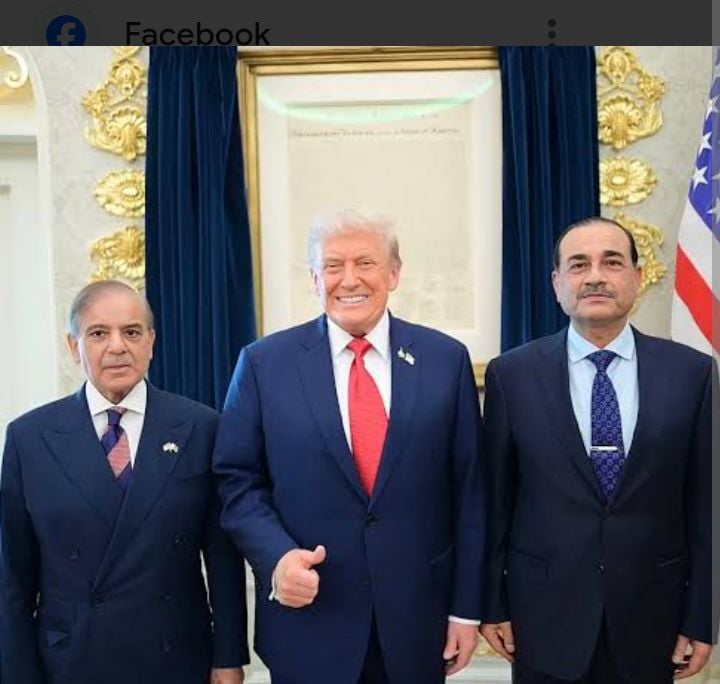




ISLAMABAD: The inaugural meeting of the Board of Peace, chaired by United States President Donald Trump, has secured commitments from Indonesia, Morocco, Kazakhstan, Kosovo, and Albania to deploy troops for the newly proposed International Stabilization Force in Gaza, while pledges exceeding six and a half billion dollars have been announced for the territory’s reconstruction and development.
This development comes amid ongoing efforts to implement a ceasefire and rebuild the war-torn Palestinian enclave following prolonged conflict.
Major General Jasper Jeffers, commander of the International Stabilization Force, made the announcement during the session held in Washington, highlighting the initial five countries ready to contribute personnel to ensure security and facilitate reconstruction efforts starting in key areas such as Rafah.
Egypt and Jordan have separately agreed to provide training for a transitional Palestinian police force, aimed at establishing professional and accountable law enforcement in Gaza.
Nickolay Mladenov, head of Gaza operations under the Board of Peace, revealed strong early interest in the police recruitment drive, stating that over 2,000 Palestinians applied within the first few hours of the process opening.
Such rapid response underscores local desire for stability and participation in post-conflict governance structures.
Financial commitments have also gained momentum, with total pledges surpassing six and a half billion dollars from a coalition including Albania, Azerbaijan, Bahrain, Egypt, Indonesia, Jordan, Kazakhstan, Kosovo, Kuwait, Morocco, Qatar, Saudi Arabia, the United Arab Emirates, and Uzbekistan.
These funds are intended to support infrastructure rebuilding, humanitarian aid, and long-term development projects in Gaza.
President Trump emphasized the Board of Peace’s role in overseeing these initiatives, announcing additional United States contributions and framing the mechanism as an effective alternative to traditional international bodies for conflict resolution.
In his remarks, President Trump extended praise to Pakistani leadership, specifically commending Prime Minister Shehbaz Sharif and Field Marshal Asim Munir.
He described Prime Minister Sharif as a figure he likes greatly and portrayed Field Marshal Munir as a great general and serious fighter.
Trump referenced last year’s brief but intense conflict between Pakistan and India, claiming Pakistan shot down 11 jets during the hostilities, which he said demonstrated military capability and resolve.
Prime Minister Shehbaz Sharif addressed the gathering, stressing the need for an end to ceasefire violations to protect lives and enable reconstruction.
He underscored that lasting peace requires Palestinians to exercise full control over their land and future, in accordance with United Nations Security Council resolutions.
The absence of Pakistan from the troop-contributing list for the International Stabilization Force has drawn attention, given the country’s historical involvement in United Nations peacekeeping missions and its strategic position in the Muslim world.
Pakistan maintains a large, professional military with extensive experience in stabilization operations across various global theaters.
Observers note that Islamabad has not publicly indicated any intention to participate in this specific force, possibly due to domestic priorities, regional sensitivities involving relations with neighboring countries, or assessments of the mission’s political framework under United States leadership.
The Board of Peace structure, established outside traditional United Nations channels, may also influence decisions by countries like Pakistan, which often prioritize multilateral mandates through established bodies.
Despite this, Trump’s positive references to Pakistani leaders suggest diplomatic goodwill and potential for future engagement in broader peace efforts.
The pledges and commitments announced represent an initial phase in what is projected to require significantly higher funding, with estimates for full Gaza reconstruction running into tens of billions of dollars.
Focus now shifts to implementation, including troop deployments, police training timelines, and disbursement of funds amid challenges such as ensuring Hamas disarmament and coordination among contributing nations.
The Board of Peace’s inaugural session has thus set a foundation for international cooperation on Gaza, though questions remain about inclusivity, long-term sustainability, and the role of non-participating states like Pakistan in future phases.