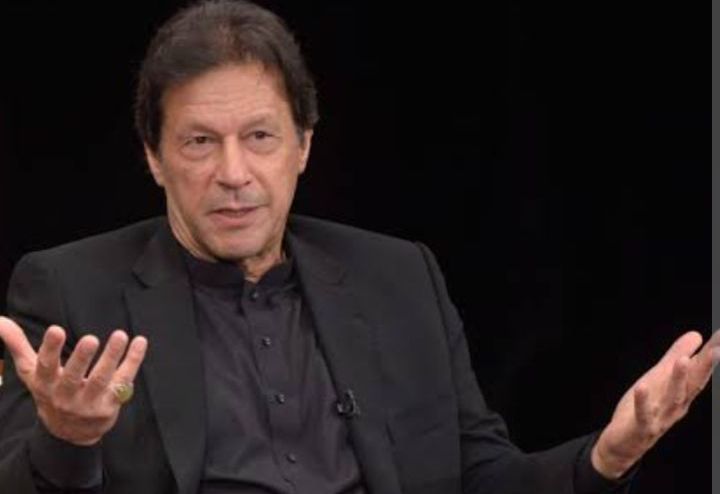




ISLAMABAD: Former prime minister and PTI founder Imran Khan’s recent diagnosis of central retinal vein occlusion (CRVO) in his right eye has sparked widespread alarm over potential life-threatening cardiovascular complications, including an elevated risk of heart attack, as medical experts highlight the condition’s strong association with underlying vascular diseases.
The Punjab Home Department recently requested a comprehensive medical report from Adiala Jail authorities following confirmation that Imran Khan, incarcerated since August 2023, suffers from CRVO, a serious retinal disorder caused by blood clot blockage in the central vein supplying the retina.
Reports indicate he now retains only about 15 per cent vision in the affected eye, having lost approximately 85 per cent due to delayed intervention despite repeated complaints of blurred vision starting around October 2025.
CRVO predominantly affects individuals over 60 and serves as a critical indicator of systemic health issues. Medical literature consistently links the condition to cardiovascular risk factors such as hypertension, hyperlipidemia, diabetes, and pre-existing heart disease. Studies, including meta-analyses, demonstrate that patients with CRVO face a significantly heightened probability of major adverse events, with one review showing a 69 per cent increased risk of myocardial infarction compared to the general population.
Experts emphasize that retinal vein blockages mirror broader vascular pathology, providing a window into the body’s circulatory system. When a clot obstructs retinal veins, it signals potential similar vulnerabilities elsewhere, including coronary arteries. This association underscores why ophthalmologists often refer CRVO patients for immediate cardiology evaluation to mitigate threats of stroke, heart attack, or other thromboembolic incidents.
The development intensified political tensions when a Supreme Court-appointed amicus curiae report detailed Imran Khan’s health deterioration, attributing vision loss partly to inadequate timely care in solitary confinement spanning over two years. The report prompted opposition demands for his transfer to a hospital under personal physicians’ supervision, citing irreversible damage from prolonged neglect.
In response to mounting pressure, the federal government announced plans to shift Imran Khan to a specialised medical facility for advanced eye treatment, with a medical board overseeing his care. Senior doctors from Pakistan Institute of Medical Sciences have already conducted assessments, including procedures to address the occlusion, though opposition parties insist on independent oversight to ensure transparency.
The Tehreek Tahaffuz-e-Aiyeen Pakistan alliance, including PTI lawmakers, launched a sit-in at Parliament House on March 13, now persisting into its third day despite government assurances. Protesters, led by figures such as National Assembly Opposition Leader Mehmood Khan Achakzai, Senate Opposition Leader Allama Raja Nasir Abbas, Khyber Pakhtunkhwa Chief Minister Sohail Afridi, and former chief minister Ali Amin Gandapur, continue demonstrations at Parliament House, Khyber Pakhtunkhwa House, and Parliament Lodges.
Family members and PTI leaders have voiced grave concerns, arguing that the condition’s cardiovascular implications demand urgent comprehensive screening beyond ocular treatment. They highlight Imran Khan’s age of 73 and prolonged incarceration as amplifying factors for systemic risks, urging immediate blood tests and cardiac monitoring previously denied.
Medical professionals note that while CRVO itself is not directly causative of heart attacks, its shared risk profile with cardiovascular disease necessitates proactive management. Control of blood pressure, cholesterol, and glucose levels becomes paramount to prevent progression to myocardial infarction or stroke, conditions where CRVO patients show elevated incidence in longitudinal data.
The controversy has drawn attention to prison healthcare standards, with calls for reforms ensuring prompt specialist access for inmates facing chronic conditions. As the sit-in endures and medical evaluations proceed, the case underscores the intersection of health, justice, and politics in determining outcomes for high-profile detainees.
Adiala Jail authorities maintain that necessary facilities are provided, with recent specialist visits and reports forwarded to relevant departments. However, ongoing opposition protests signal that public and political scrutiny will persist until Imran Khan receives what demonstrators deem adequate care amid fears of further health decline.
AI-generated image: A realistic depiction of a middle-aged man in prison attire sitting on a jail bed, holding a medical report document labeled “CRVO Diagnosis,” with one eye visibly affected and blurred, while in the background faint silhouettes of protesters gather outside a parliament building under a cloudy sky.