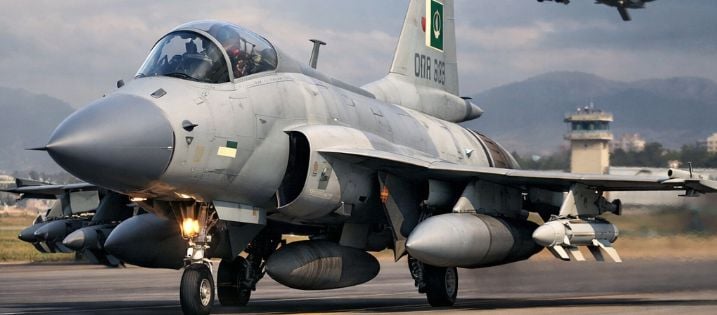




ISLAMABAD: Indonesia stands on the verge of concluding a landmark defense agreement with Pakistan for the acquisition of approximately 40 JF-17 Thunder Block-III fighter jets alongside armed drones, a development that could reshape airpower balances in Southeast Asia and bolster Pakistan’s growing defense export profile. High-level engagements in early 2026, including a recent visit by Pakistan’s Air Chief to Jakarta, have intensified discussions, with sources indicating the formal deal may be signed in the coming months amid surging global interest in the combat-proven platform.
The negotiations gained momentum following reports in January 2026 from credible international outlets detailing advanced-stage talks between the two nations. Indonesia’s Defense Minister Sjafrie Sjamsoeddin met Pakistan Air Force Chief Air Chief Marshal Zaheer Ahmed Baber Sidhu in Islamabad to explore a comprehensive package encompassing the JF-17 jets, surveillance and strike drones such as the Shahpar series, pilot training programs, and long-term technical support. Officials familiar with the discussions described the negotiations as progressing swiftly, with the potential value exceeding one billion dollars.
The JF-17 Thunder, a joint development between Pakistan Aeronautical Complex and China’s Chengdu Aircraft Corporation, represents a cost-effective multi-role fighter tailored for modern aerial warfare. The Block-III variant incorporates cutting-edge features including an active electronically scanned array radar, advanced avionics, improved electronic warfare suites, and enhanced weapon integration capabilities. These upgrades have positioned the aircraft as a viable alternative to more expensive Western platforms, particularly for nations seeking diversified procurement without heavy reliance on single suppliers.
Indonesia’s pursuit aligns with President Prabowo Subianto’s broader strategy to modernize the Indonesian Air Force amid regional security challenges in the Indo-Pacific. Jakarta has pursued a multi-vendor approach, securing 42 Dassault Rafale jets from France, advancing toward up to 48 KAAN fighters from Turkey, and exploring Chinese J-10C options. Integrating the JF-17 would further diversify the fleet, complementing existing F-16s, Su-27/30s, and future acquisitions while providing operational flexibility in maritime and air defense roles.
Pakistan’s promotion of the JF-17 has intensified following its reported performance in the 2025 standoff with India, where the aircraft demonstrated effectiveness in combined operations with other systems. This combat validation has spurred unprecedented export interest, with at least five nations—including Iraq, Bangladesh, and Indonesia—expressing formal intent in recent months according to Pakistani military statements. Additional countries such as Saudi Arabia and Libya remain under consideration, highlighting a surge that strains domestic production capacity even as Pakistan fields over 150 JF-17s in service.
The February 2026 visit by Air Chief Marshal Sidhu to Indonesia marked a pivotal moment, where he called on President Prabowo Subianto at the Presidential Complex in Jakarta. Discussions emphasized deepening bilateral ties through professional training, air defense collaboration, and defense production sharing. Indonesian leaders expressed keen interest in leveraging Pakistan’s expertise in niche technologies, including unmanned aerial systems, electronic warfare, and multi-domain operations, reflecting mutual recognition of shared strategic aspirations between the two Muslim-majority nations.
While optimism surrounds the potential agreement, challenges persist in finalizing terms given the scale and complexity of such deals. No binding contract has been publicly announced, and defense procurements often involve extended evaluations, pricing negotiations, and geopolitical considerations. Some analysts note Indonesia’s ongoing commitments to Western and other suppliers could influence the pace, though the JF-17’s affordability and proven track record offer compelling advantages in a constrained budget environment.
For Pakistan, securing this deal would represent a major milestone in its defense industry ambitions. The Pakistan Air Force and associated entities have invested heavily in indigenous production, achieving significant localization in airframe assembly and subsystems. Export success with the JF-17 to operators like Azerbaijan, Myanmar, and Nigeria has already elevated its international standing, and a large Indonesian order could catalyze further technological collaborations and economic benefits.
The evolving partnership between Pakistan and Indonesia extends beyond hardware to institutional capacity building. Indonesian officials have sought PAF support for advancing operational and flying training, acknowledging the force’s rich combat experience and modern infrastructure. Such cooperation could include joint exercises, technology transfers, and long-term sustainment arrangements, fostering enduring defense relations in an era of shifting global alliances.
As talks progress toward potential closure, the proposed acquisition underscores broader trends in global arms markets where emerging platforms challenge traditional dominance. Indonesia’s decision, if finalized, would affirm the JF-17’s growing appeal as a reliable, versatile fighter for nations navigating complex security landscapes without prohibitive costs.