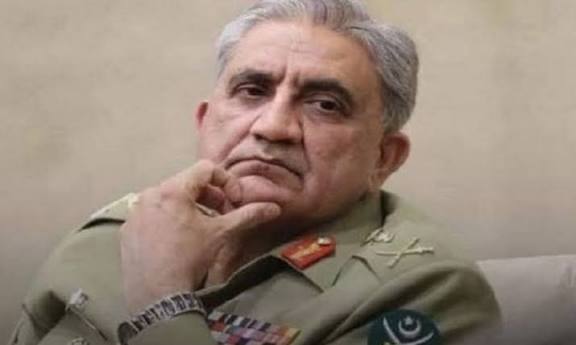




ISLAMABAD: Former Chief of Army Staff General (retd) Qamar Javed Bajwa was hospitalised at the Combined Military Hospital after experiencing a sudden loss of consciousness due to a heart-related condition, leading to a fall and head injuries, family sources confirmed. Initial reports suggested a slip at his residence, but reliable accounts clarified that the incident stemmed from a third-degree atrioventricular block, a serious disruption in the heart’s electrical system, rather than a mere accident. He remains in stable condition under medical supervision, with medical intervention including a temporary pacemaker.
The episode occurred on the evening of February 9, when General Bajwa, despite feeling unwell, proceeded with his routine evening walk and exercise. Later that night, he experienced nausea, prompting him to visit the washroom where he vomited before suddenly fainting and collapsing. Observers noted blood emerging from his ears following the fall, which raised immediate concerns about the severity of the impact to his head. He was promptly transported to the Combined Military Hospital in Rawalpindi within approximately fifteen minutes, ensuring timely medical attention.
Medical evaluations at the facility revealed three hairline fractures in his skull resulting from the fall. Fortunately, diagnostic tests, including imaging, confirmed the absence of blood clots in the brain, which could have posed a life-threatening risk. The third-degree AV block was identified as the primary cause of the syncope, a condition where the electrical signals between the heart’s atria and ventricles are severely impaired, leading to abrupt loss of consciousness. Such blocks often require urgent intervention to restore normal heart rhythm.
Sources close to the family emphasised that General Bajwa is now fully conscious, recognises family members, and responds appropriately to medical staff. He has been placed under sedation to facilitate recovery and is receiving treatment with a temporary pacemaker to stabilise his cardiac function. Physicians anticipate implanting a permanent pacemaker in due course once his overall condition shows further improvement and any residual effects from the head trauma subside. The focus remains on comprehensive monitoring to prevent complications.
The Inter-Services Public Relations initially confirmed the hospitalisation following a fall at his residence, without detailing the underlying cause, which led to varied public speculation and social media narratives. Family sources later provided clarification to counter misinformation, stressing the cardiac origin of the event and urging restraint from unsubstantiated rumours. This distinction is significant, as it shifts the understanding from a mechanical mishap to a medical emergency rooted in cardiovascular health.
General Bajwa, who served as Chief of Army Staff from 2016 to 2022 and was awarded the Nishan-e-Imtiaz (Military), has maintained a low public profile since retirement. His tenure involved critical national security decisions amid regional tensions and domestic challenges. The current health incident has drawn widespread concern across political and military circles, with well-wishers expressing hopes for a swift recovery. Medical experts note that third-degree AV blocks, while serious, are manageable with modern interventions like pacemakers, offering a favourable prognosis in otherwise healthy individuals.
The incident underscores the importance of recognising symptoms of cardiac electrical disturbances, such as nausea, dizziness, or unexplained fatigue, which can precede syncope. Prompt medical response, as demonstrated in this case, significantly mitigates risks associated with falls during unconsciousness, particularly in older adults where head injuries carry heightened dangers. General Bajwa’s case highlights advancements in cardiac care available at military facilities, ensuring specialised treatment for retired personnel.
Public interest in the former army chief’s health reflects his enduring influence on Pakistan’s strategic landscape. As he continues recovery under close observation, updates from official and family channels are expected to provide further reassurance. The emphasis on privacy during treatment aligns with protocols for high-profile individuals, balancing transparency with respect for personal medical matters.
.