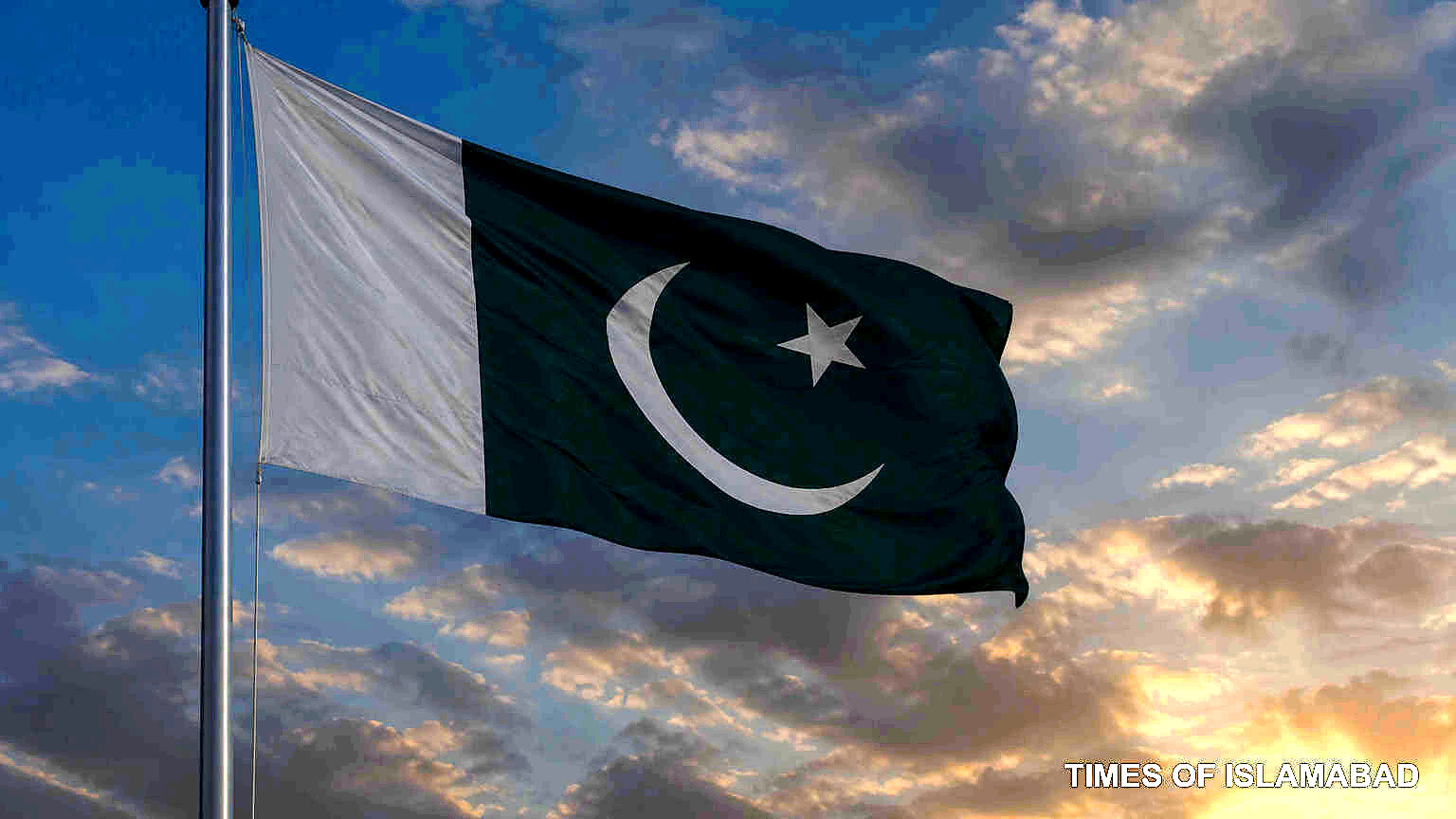


ISLAMABAD: Pakistan’s foreign policy has undergone a profound transformation since its independence in 1947, adapting to evolving regional and global dynamics. Initially driven by security concerns and the quest for national identity, it has transitioned towards a more geo-economic and multi-aligned approach in recent years.
This strategic evolution underscores Pakistan’s commitment to safeguarding its national interests while fostering international cooperation.
Pakistan’s foreign policy prioritizes territorial sovereignty, national security, economic development, and regional stability. The country actively engages with the international community to achieve these objectives.
Foundational Years and Western Alliances (1947-1971)
In its early years, Pakistan focused on establishing diplomatic ties and securing its borders. Muhammad Ali Jinnah envisioned a foreign policy based on “peace within and peace without,” emphasizing cordial relations with neighbors and the world. Pakistan joined the United Nations in September 1947.
The Kashmir dispute with India emerged as a significant driver of Pakistan’s foreign policy, prompting a search for international support. This led Pakistan to align with the Western bloc during the Cold War.
More on this topic: Pakistan Defence & Security · All topics
In 1954, Pakistan joined the Southeast Asia Treaty Organization (SEATO), followed by the Baghdad Pact (later CENTO) in 1955. These alliances provided Pakistan with crucial military and economic assistance from the United States. However, this alignment also strained relations with the Soviet Union.
During the 1960s, Pakistan began to diversify its foreign relations, cultivating a strong strategic partnership with China. The 1963 Boundary Agreement with China marked a significant milestone in this relationship.
Shift Towards Non-Alignment and Bilateralism (1971-1990)
The 1971 war and the secession of East Pakistan led to a reassessment of Pakistan’s foreign policy. Pakistan withdrew from SEATO in 1972 and later from CENTO, signaling a move towards a more independent and non-aligned stance.
This period saw an increased focus on strengthening ties with Muslim states and China.
Under Prime Minister Zulfiqar Ali Bhutto, Pakistan formally embarked on a non-aligned foreign policy route. The country also initiated its nuclear program during this era. Pakistan became a critical entity in the militarization of the Organization of Islamic Cooperation (OIC) in 1974.
The Soviet invasion of Afghanistan in 1979 once again positioned Pakistan as a frontline state. Pakistan partnered with the United States to support the Afghan Mujahideen, leading to a renewed influx of aid.
Post-Cold War Era and Nuclear Deterrence (1990-2013)
The end of the Cold War brought new challenges and opportunities for Pakistan’s foreign policy. The country faced sanctions following its nuclear tests in 1998, which were conducted in response to India’s tests. Nuclear deterrence became a key aspect of Pakistan’s security doctrine.
After the September