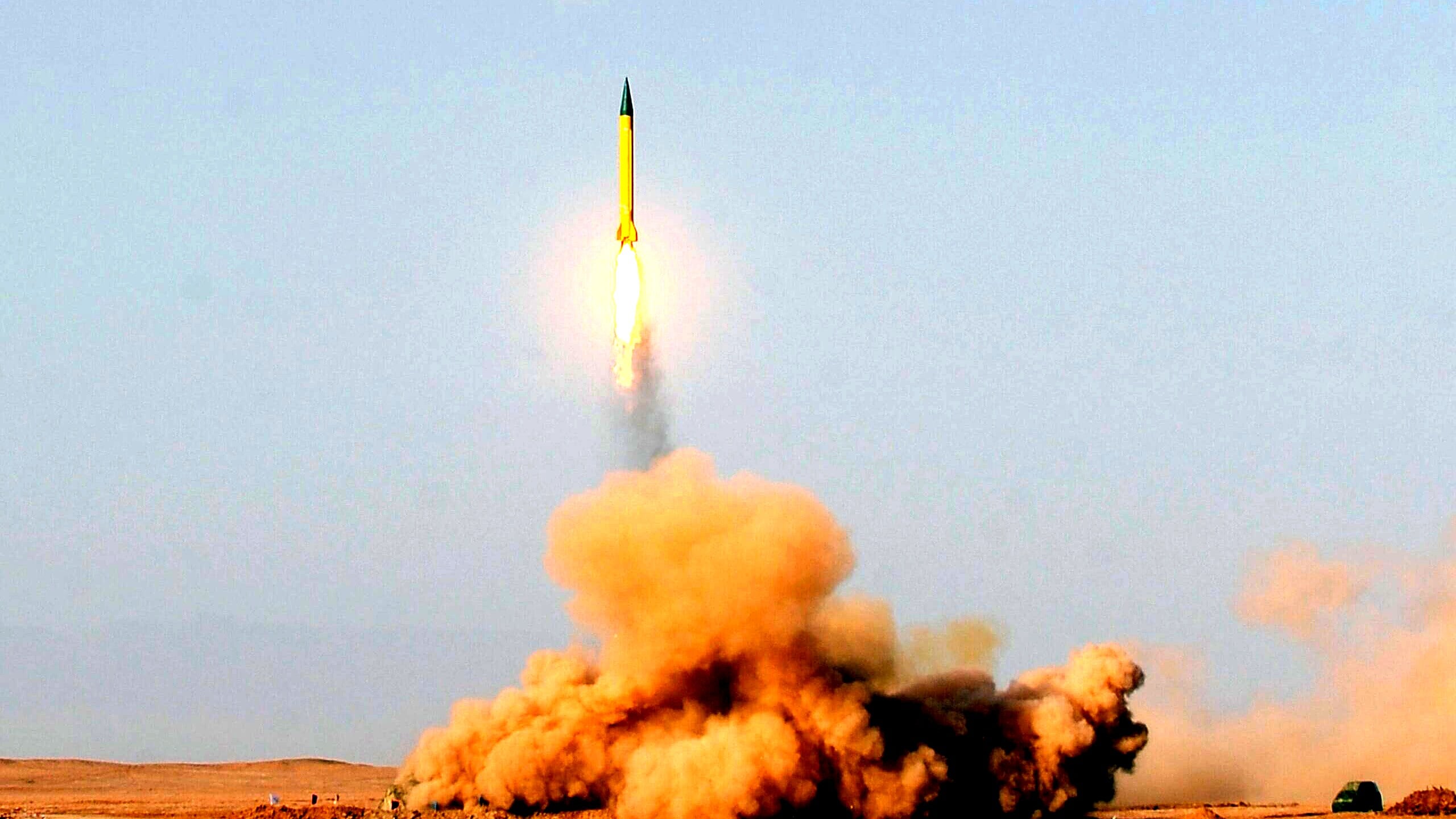


ISLAMABAD: Iran’s recent military operations have sparked a significant debate about the vulnerabilities in the United States’ warfare strategy. The deputy chief of the Islamic Revolutionary Guard Corps (IRGC) has publicly stated that these retaliatory actions have exposed critical weaknesses in how the US conducts its military engagements.
The IRGC’s remarks come in the wake of a series of operations that Iran claims were necessary responses to perceived threats. These operations have raised questions about the effectiveness of US military strategies, particularly in the Middle East, where tensions have been escalating for years.
The deputy chief emphasized that the operations demonstrated Iran’s capability to counter US military power effectively. This assertion is particularly significant given the historical context of US-Iran relations, which have been fraught with conflict and mistrust since the 1979 Iranian Revolution.
Iran’s military advancements have been a focal point of concern for the US and its allies. The IRGC has showcased a range of capabilities, including missile technology and drone warfare, which they argue can challenge US dominance in the region.
The deputy chief’s comments suggest that Iran is not only willing to engage militarily but also believes it can do so successfully against a superpower.
The implications of these developments extend beyond military strategy. They raise crucial questions about US foreign policy in the region. How will the US respond to these assertions of military capability?
Will it reassess its approach to Iran, particularly in light of recent tensions surrounding nuclear negotiations?
Moreover, the IRGC’s statements reflect a broader narrative within Iran that seeks to bolster national pride and unity. By framing their military actions as successful responses to US aggression, Iran aims to strengthen its position both domestically and internationally.
This could lead to increased support for the Iranian government amid ongoing economic challenges.
As the situation unfolds, analysts are closely monitoring the potential for further escalation. The US has historically maintained a strong military presence in the Middle East, but the effectiveness of this strategy is now under scrutiny.
The IRGC’s claims challenge the notion that US military superiority is unassailable.
In response to these developments, US military officials have reiterated their commitment to maintaining regional stability. However, the effectiveness of their strategies in countering Iran’s advancements remains uncertain. The potential for miscalculation or misunderstanding between the two nations poses a significant risk.
The geopolitical landscape is shifting, and the balance of power in the Middle East may be evolving. As Iran continues to assert its military capabilities, the US may need to consider alternative strategies to engage with Tehran.
Diplomatic efforts could become increasingly important as both nations navigate the complexities of their relationship.
Source: Dawn
More on this topic: Pakistan, Iran & the Gulf →