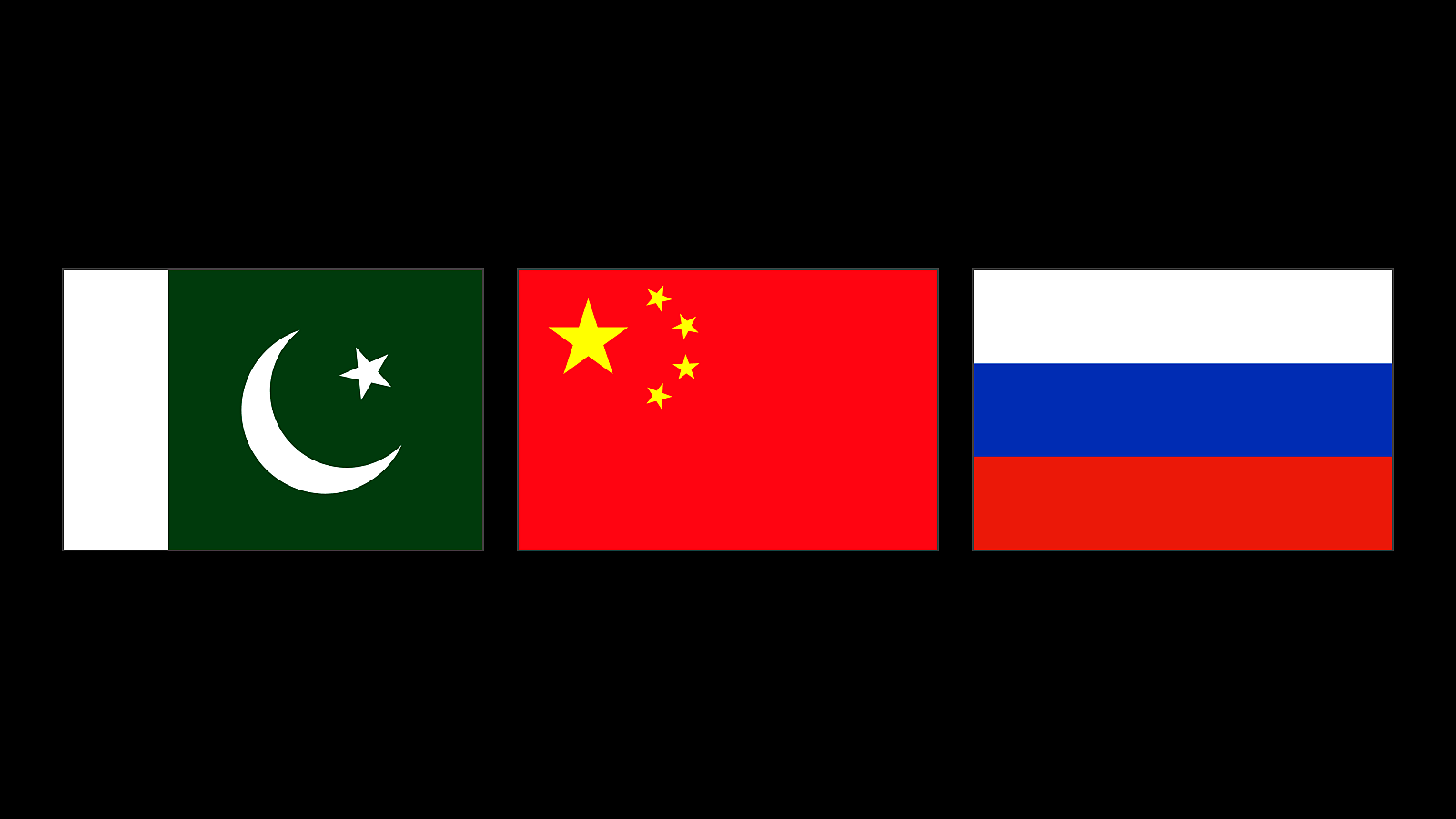


ISLAMABAD: The recent surge in military cooperation between China and Russia has sparked significant discussions regarding its implications for global stability. As both nations strengthen their ties, the potential repercussions extend beyond their borders, impacting regions such as the Middle East and Pakistan.
The foundation of this cooperation lies in shared strategic interests. Both China and Russia face increasing pressure from Western nations, particularly the United States. This partnership is not merely about military exercises; it represents a united front against perceived threats, which could alter the balance of power on a global scale.
One of the most notable developments is the joint military exercises conducted by the two nations. These exercises, which have included naval drills and air force collaborations, signal a commitment to enhancing their military capabilities.
For instance, the recent “Joint Sea” exercises in the Sea of Japan showcased their operational synergy. Such actions raise questions about the intentions behind this collaboration and its potential to escalate tensions in contested areas.
The implications for global stability are profound. Analysts suggest that a stronger China-Russia alliance could embolden both nations to pursue more aggressive foreign policies. This could lead to increased military presence in strategic regions, including the South China Sea and Eastern Europe.
The potential for conflict in these areas could destabilize not only regional dynamics but also global peace.
In the Middle East, the repercussions of this military cooperation could be particularly pronounced. Both China and Russia have established significant relationships with key players in the region. For instance, Russia’s involvement in Syria and China’s growing economic ties with Iran illustrate their strategic interests.
As they bolster their military cooperation, regional actors may feel compelled to reassess their alliances and military strategies, leading to a shift in the geopolitical landscape.
Pakistan, as a neighboring country with historical ties to both China and Russia, finds itself at a crossroads. The strengthening of China-Russia relations could offer Pakistan new opportunities for military and economic collaboration.
However, it also poses challenges, particularly in light of its relationship with the United States.
The potential for increased military cooperation between China and Russia also raises concerns about nuclear stability. Both nations possess significant nuclear arsenals, and their collaboration could lead to a more assertive stance regarding nuclear policies.
This development could prompt a reevaluation of nuclear strategies among other global powers.
Furthermore, the economic implications of this cooperation cannot be overlooked. As China and Russia deepen their military ties, their economic partnerships may also strengthen, potentially impacting global trade dynamics and energy markets.
Source: eurasiareview
More on this topic: Pakistan–China & CPEC →