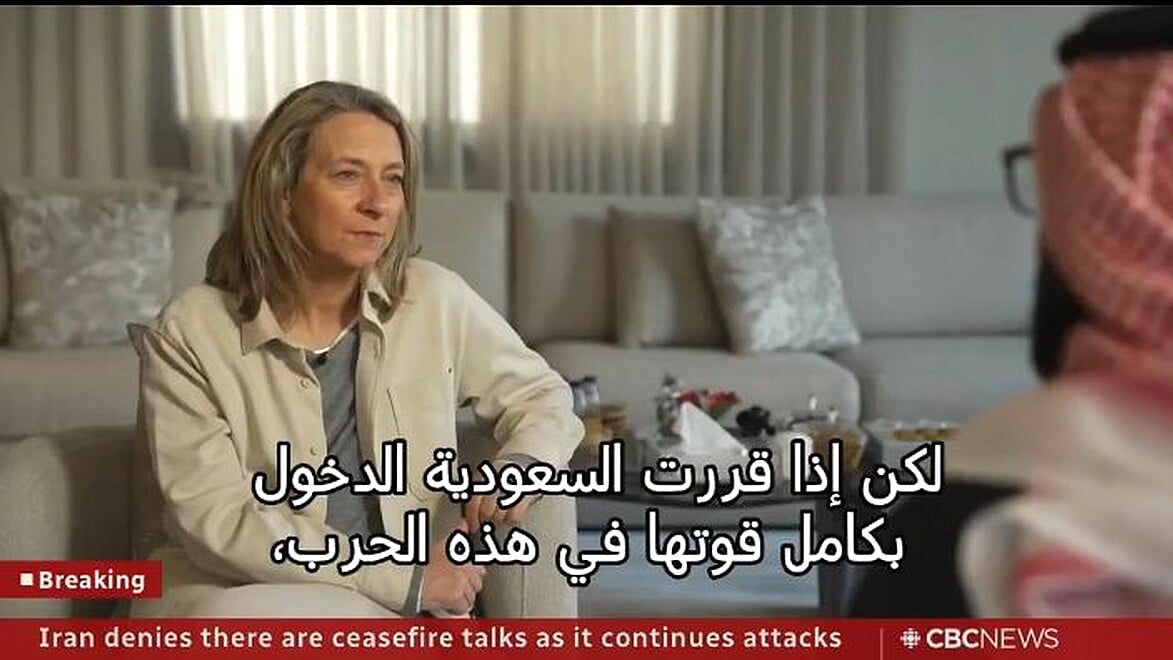
ISLAMABAD: Saudi political analyst Salman Al-Ansari has issued a stark warning amid escalating regional tensions, declaring that if Saudi Arabia enters the current conflict with full military force, Iran would emerge as the biggest loser. He specifically pointed to the potential activation of the recently signed Strategic Mutual Defense Agreement with Pakistan, which he believes could extend Islamabad’s nuclear capabilities as a deterrent shield over the kingdom.
Strategic Mutual Defense Agreement Formalised in 2025
The bilateral defense pact was signed on September 17, 2025, in Riyadh between Saudi Crown Prince Mohammed bin Salman and Pakistani Prime Minister Shehbaz Sharif. The agreement explicitly states that any act of aggression against one party shall be considered an act of aggression against both, establishing a framework for mutual defense, joint deterrence, and enhanced military cooperation.
Deep-Rooted Military Ties Underpin New Pact
Military relations between Saudi Arabia and Pakistan date back to the 1960s. Pakistani troops have been periodically deployed to the kingdom for border security, training missions, and crisis response. During the 1990–91 Gulf War, thousands of Pakistani personnel were stationed in Saudi Arabia. In recent years, 1,500 to 2,000 Pakistani troops have remained on rotational duties.
Extensive Training and Advisory Cooperation
Pakistan has trained an estimated 8,000 to 10,000 Saudi military personnel over the decades. The relationship also includes technical advisory support, maintenance of defense systems, and periodic deployment of specialized units. In return, Saudi Arabia has provided critical economic assistance to Pakistan, including deferred oil payments and concessional loans during periods of severe financial strain.
Pact Covers Modern and Emerging Threats
Beyond traditional military cooperation, the 2025 agreement addresses contemporary domains including cybersecurity, unmanned aerial systems, intelligence sharing, and joint development in the defense industry. Both nations have identified these areas as critical to countering evolving regional threats.
Recent High-Level Meetings Signal Activation Readiness
Following Iranian drone and missile attacks on Saudi energy infrastructure and diplomatic facilities, Saudi Defense Minister Prince Khalid bin Salman held discussions in early March 2026 with Pakistan’s Chief of Army Staff Field Marshal Asim Munir. The meetings focused on coordinating responses under the new defense framework.
Diplomatic Warnings Issued to Tehran
Pakistan’s Foreign Minister Ishaq Dar directly referenced the mutual defense obligations in communications with Iranian counterparts. He conveyed that any aggression targeting Saudi Arabia would invoke the bilateral pact, prompting Islamabad to fulfill its commitments.
Nuclear Dimension Remains Subject of Debate
Salman Al-Ansari suggested that activation of the pact could provide Saudi Arabia with an effective nuclear umbrella courtesy of Pakistan’s arsenal. While the agreement strengthens conventional deterrence, analysts note that it does not include explicit nuclear-sharing provisions or NATO-style command structures. Pakistan’s nuclear doctrine continues to prioritize national survival rather than extended deterrence commitments.
Regional Volatility Drives Pact’s Strategic Value
The agreement was concluded against a backdrop of weakening confidence in extra-regional security guarantees and repeated incidents involving neighboring states. Both Riyadh and Islamabad sought to formalize long-standing cooperation into a more structured and legally binding arrangement.
Pakistan Balances Solidarity With De-escalation Priorities
Official Pakistani statements emphasize solidarity with Saudi Arabia while underscoring the need to prevent wider regional escalation. Domestic economic challenges and internal sectarian considerations continue to constrain the extent of direct military involvement.
Saudi Perspective: Greater Strategic Autonomy
For Saudi Arabia the pact represents an important step toward diversifying security partnerships and reducing reliance on traditional allies. The mutual-aggression clause provides a clear consultative and operational mechanism during crises.
Symbolic Yet Substantive Framework
Security experts describe the agreement as both symbolic and operationally meaningful. It institutionalizes existing cooperation without creating an automatic military alliance. Actual invocation would depend on the severity and nature of threats to Saudi national security or critical infrastructure.
Current Conflict Tests Pact’s Practical Relevance
Ongoing Iranian actions have already prompted intensified coordination between Riyadh and Islamabad. Senior military and diplomatic channels remain active as both capitals explore options to deter further attacks and contain escalation.
Al-Ansari’s Assessment Highlights Asymmetry
The Saudi analyst argued that Iran would suffer disproportionately if Saudi Arabia fully mobilizes under the pact, citing the combined conventional strength and nuclear backdrop provided by the Saudi-Pakistani partnership. While his view reflects personal analysis, it aligns with broader concerns about shifting regional power equations.
Evolving Security Architecture in the Gulf
The Strategic Mutual Defense Agreement signals a gradual transformation in Middle East and South Asian security arrangements. Bilateral pacts of this nature are increasingly supplementing — and in some cases substituting for — older multilateral frameworks.