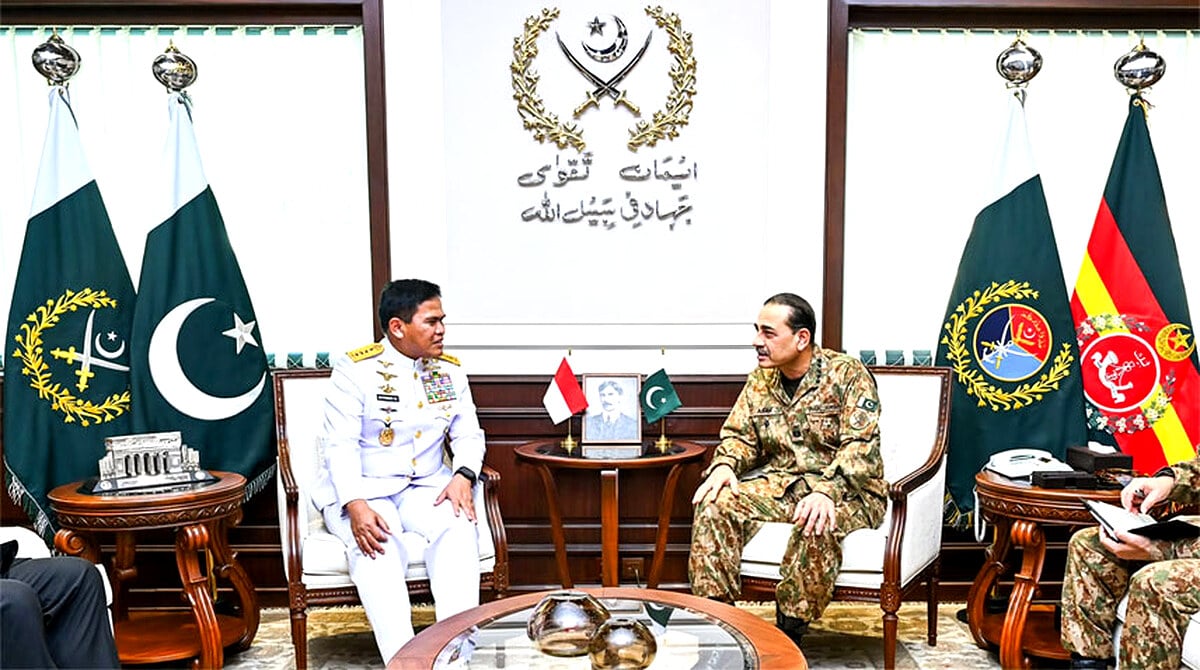




ISLAMABAD: Pakistan and Indonesia have embarked on a strategic initiative to bolster their bilateral cooperation through enhanced defense collaboration and training programs.
The two nations have agreed to initiate joint military exercises, reflecting their commitment to fostering greater regional security.
This development comes amid growing security challenges in the Asia-Pacific region, prompting nations to seek stronger alliances.
Pakistan’s Ministry of Defence announced that the collaboration would focus on professional military training and exchange programs between the armed forces of both countries.
This partnership aims to increase interoperability and understanding between the Pakistani and Indonesian military forces.
According to defense analysts, these initiatives could play a pivotal role in enhancing strategic capabilities.
The training programs will include courses on modern warfare tactics, cyber defense, and peacekeeping operations.
These efforts are expected to improve the operational readiness of the military personnel involved.
Indonesia’s Defence Ministry has expressed optimism about the collaboration, noting it as a significant step towards mutual security interests.
The partnership also reflects a shared commitment to peace and stability within the region.
The joint exercises are scheduled to commence later this year, involving various branches of the military, including the navy, air force, and army.
This initiative indicates a broader trend of increased military cooperation among Southeast Asian and South Asian nations.
Analysts believe this collaboration may pave the way for future multilateral military exercises involving additional ASEAN members.
The strategic cooperation also underscores the importance of military diplomacy in addressing global security dynamics.
While specific details of the exercises remain under wraps, the focus will be on enhancing joint operational capabilities.
This alliance could serve as a model for other bilateral military collaborations aiming to tackle regional threats.
Observers note that the strengthening of ties between these two countries may also influence other regional partnerships.
Both nations have a history of military collaboration, but this marks a significant expansion of their defense relationship.
This ongoing story suggests a dynamic shift in the defense strategies of both nations as they respond to new challenges.
Future outcomes of this partnership may include increased military exchanges and technology transfers.
As this is a developing story, more information is expected to emerge in the coming months.
The implications of this strengthened partnership could extend beyond military cooperation, affecting economic and diplomatic relations.
This collaboration reflects a strategic effort to maintain regional stability and foster mutual growth.