ISLAMABAD: All flights at Islamabad International Airport were temporarily suspended on Friday following the detection of a suspicious drone in the capital’s airspace, prompting immediate security measures by aviation and defence authorities.
The incident occurred when a drone was sighted over the city’s airspace, leading to the issuance of a Notice to Airmen (NOTAM) by the Pakistan Airports Authority. This halted departures and arrivals as a precautionary step to ensure passenger safety and allow for thorough checks.
A PIA flight bound for Madinah, identified as PK-713, was held on the tarmac shortly before takeoff. Passengers onboard reported that the pilot announced a brief delay due to clearance issues from air traffic control. The aircraft eventually departed after approximately 50 minutes, resuming its journey with minimal further disruption.
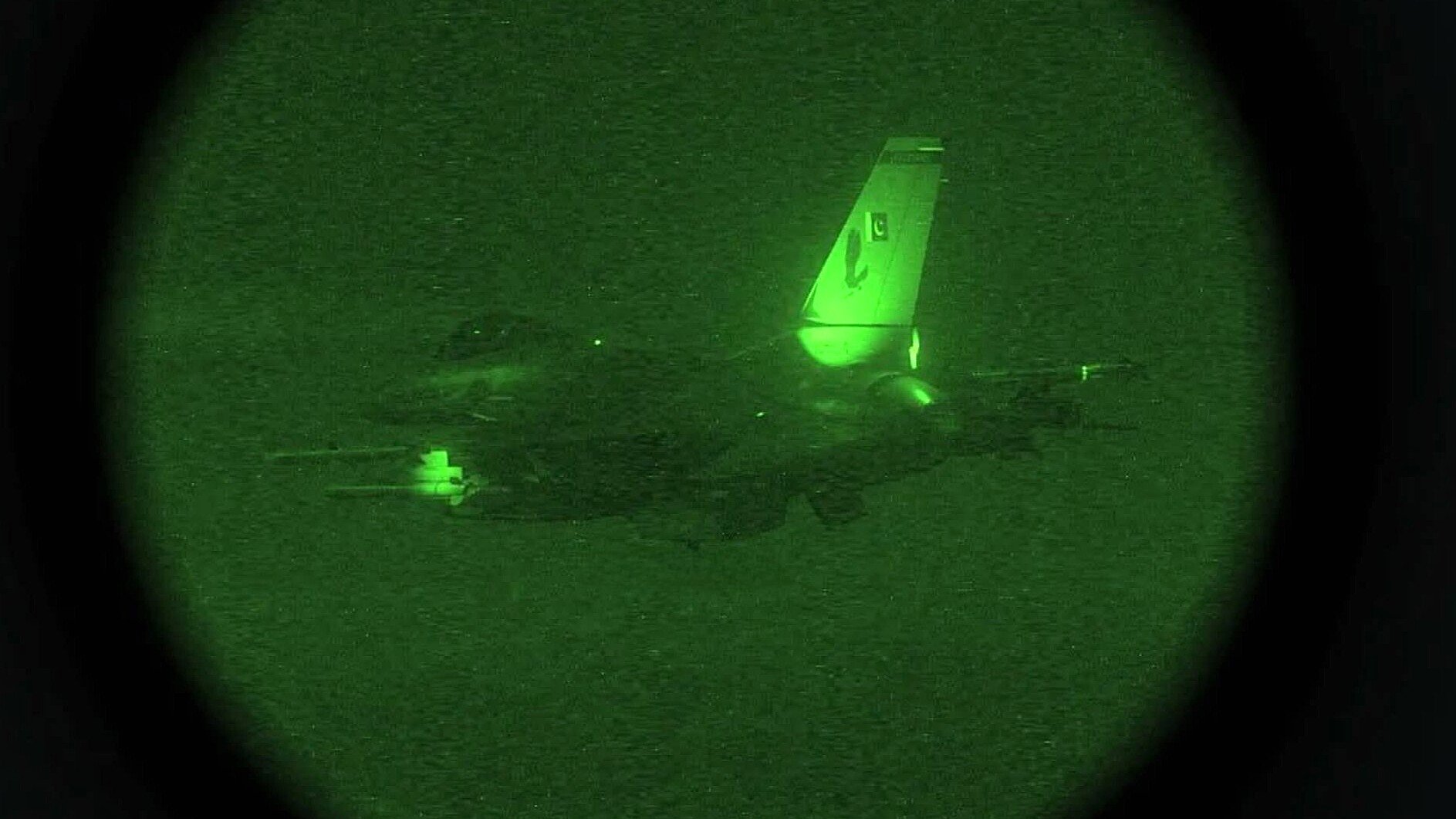
Sources claimed that the Pakistan Air Force (PAF) successfully neutralised the drone using anti-drone systems. The object was brought down without causing any damage or casualties on the ground. Initial assessments indicated the drone was of local origin, though speculation persisted about possible cross-border involvement from Afghanistan.
The airspace closure lasted only a few minutes to several hours, depending on verification processes. Once the threat was eliminated and the airspace declared clear, normal operations resumed swiftly. Airport spokespersons emphasised that the measure was routine in response to any unidentified aerial vehicle to prevent potential risks.
This event highlights growing concerns over drone intrusions in sensitive areas, particularly near major airports and military installations. Pakistan has faced repeated incidents involving unmanned aerial vehicles in recent months, often linked to regional tensions along the western border.
Defence sources noted that the PAF maintains advanced counter-drone capabilities, including electronic jamming and interception systems. These have been deployed effectively in previous cases to safeguard vital infrastructure from unauthorised aerial activity.
The temporary suspension affected multiple flights, causing inconvenience to passengers travelling domestically and internationally. However, the quick resolution minimised widespread disruptions compared to prolonged airspace closures seen in broader regional conflicts.
Aviation authorities advised travellers to monitor updates from airlines and the airport for any residual delays. No injuries or property damage were reported from the incident, underscoring the effectiveness of rapid response protocols.
Experts point out that such sightings can stem from recreational users, surveillance attempts, or accidental drifts. In border regions, the possibility of Afghan-origin drones has been raised in similar past occurrences, though official confirmations remain cautious to avoid escalation.
The Pakistan Airports Authority reiterated its commitment to maintaining the highest safety standards. Enhanced radar monitoring and coordination between civil aviation and military entities played a key role in detecting and addressing the anomaly promptly.
Passengers at the airport expressed relief once operations normalised, with many taking to social media to share experiences of the brief hold-up. The episode serves as a reminder of evolving security challenges in an era of proliferating drone technology.
Authorities continue to investigate the drone’s origin and purpose. While preliminary findings suggest a non-hostile or low-capability device, the incident reinforces the need for vigilance in protecting national airspace.
Islamabad International Airport, a major hub for domestic and international travel, handles thousands of passengers daily. Brief interruptions like this, though rare, demonstrate the system’s resilience in managing emerging threats.
In the broader context, Pakistan’s air defence network has been strengthened amid ongoing regional dynamics. The successful neutralisation reflects preparedness against asymmetric threats, including unauthorised unmanned systems.
No further incidents were reported following the resumption of flights, and the airport returned to full operational capacity by evening.