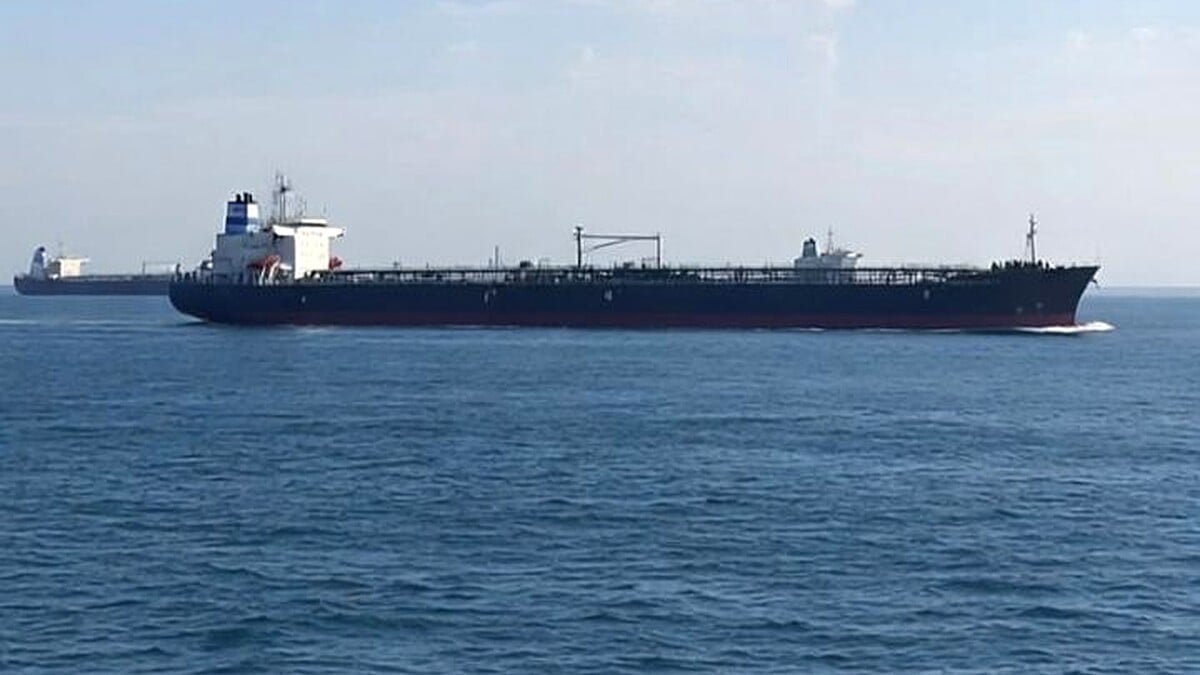
ISLAMABAD: Iran has officially granted safe passage to Chinese and Bangladeshi vessels transiting the Strait of Hormuz, providing a critical lifeline for energy imports amid escalating conflict in the Middle East.
The decision comes as the strait, through which roughly one-fifth of global oil and significant liquefied natural gas flows, remains largely paralysed due to threats from Iran’s Islamic Revolutionary Guard Corps.
Reports from multiple sources, including Bangladeshi media outlets like The Business Standard and The Daily Star, confirm that Tehran agreed to allow Bangladeshi oil and LNG-carrying ships safe transit following direct diplomatic engagements.
The arrangement followed a meeting between Bangladesh’s Energy Minister Iqbal Hasan Mahmud Tuku and Iranian Ambassador to Dhaka Jalil Rahimi Jahanabadi on March 10, 2026.
Under the terms, Bangladeshi vessels must provide advance notification to Iranian authorities and identify themselves clearly to ensure secure passage without risk of attack.
This exemption addresses Dhaka’s urgent need to maintain fuel supplies, as the country grapples with economic pressures and rising global energy prices triggered by the ongoing war.
Bangladesh, heavily reliant on imported oil and gas, intensified efforts to secure assurances after the strait effectively closed to most traffic following US and Israeli strikes on Iran starting late February.
The agreement highlights Tehran’s selective approach to regulating the waterway, prioritising partners not aligned with Western powers involved in the conflict.
For China, diplomatic negotiations have progressed significantly, though a fully formalised public agreement similar to Bangladesh’s remains in discussion stages.
Reuters reported on March 5 that Beijing pressed Tehran for safe passage of crude oil tankers and Qatari LNG vessels, given China’s dependence on Middle Eastern supplies for about 45 per cent of its oil imports.
Ship-tracking data reveals instances where vessels altered their automatic identification system signals to indicate Chinese ownership or links, allowing some to transit successfully.
This tactic suggests informal understandings or preferences for China-linked shipping, though analysts caution that no blanket guarantee exists amid the volatile security environment.
Iran’s broader policy bars vessels from the United States, Israel, European nations, and their allies, declaring them legitimate targets if they attempt passage.
The Islamic Revolutionary Guard Corps reiterated that no oil litre from hostile sources would transit, framing the restrictions as a response to aggression imposed by Washington and Tel Aviv.
Limited transits continue, often involving sanctioned vessels or those tied to Iran itself, with tracking firms like Kpler and MarineTraffic noting sporadic movements under high-risk conditions.
Some ships have passed by broadcasting signals implying Chinese affiliation, but such manoeuvres carry substantial danger in an active conflict zone.
Pakistan does not appear to benefit from a similar official exemption.
Earlier reports from March 1 indicated that Iran blocked three vessels operated by the Pakistan National Shipping Corporation from entering the strait, forcing them to remain at ports like Fujairah in the UAE.
Pakistan has responded by launching naval escort operations under Muhafiz-ul-Bahr to protect its merchant shipping and secure energy lifelines independently.
No credible confirmation exists of Tehran extending formal safe passage to Pakistani-flagged or operated vessels, unlike the cases of Bangladesh and ongoing China talks.
Other potential exemptions remain conditional or unfulfilled.
Iran has offered Arab and European countries passage if they expel US and Israeli ambassadors, a demand widely viewed as impractical and unlikely to materialise.
Russia features in some unverified social media claims of inclusion alongside China, but no official announcements or data support this.
The strait handles immense strategic importance, with daily traffic normally exceeding 100 vessels but now reduced to a handful amid attacks on commercial ships, including a recent Thai bulk carrier struck near the Emirati coast.
Global energy markets react sharply, with Brent crude surpassing $100 per barrel and Asian economies feeling acute pressure from supply disruptions.
China’s position stands out due to its vast stockpiles and diplomatic leverage with Tehran, potentially buffering impacts better than other importers.
Bangladesh’s successful negotiation underscores how smaller nations can secure targeted relief through direct diplomacy.
The situation evolves rapidly, with Iran emphasising its role as guarantor of strait security while regulating passage to align with wartime priorities.
No widespread reopenings for neutral or allied shipping have emerged beyond these limited cases.
Observers monitor whether these exemptions expand or if escalating attacks further choke global trade routes.
The selective policy underscores the geopolitical realignments driven by the conflict, where economic necessities intersect with strategic alignments in one of the world’s most critical maritime passages.