ISLAMABAD: Pakistan has categorically rejected proposals to import discounted Russian crude oil even as international prices surge past $100 per barrel following disruptions in the Strait of Hormuz triggered by the escalating Iran-Israel conflict.
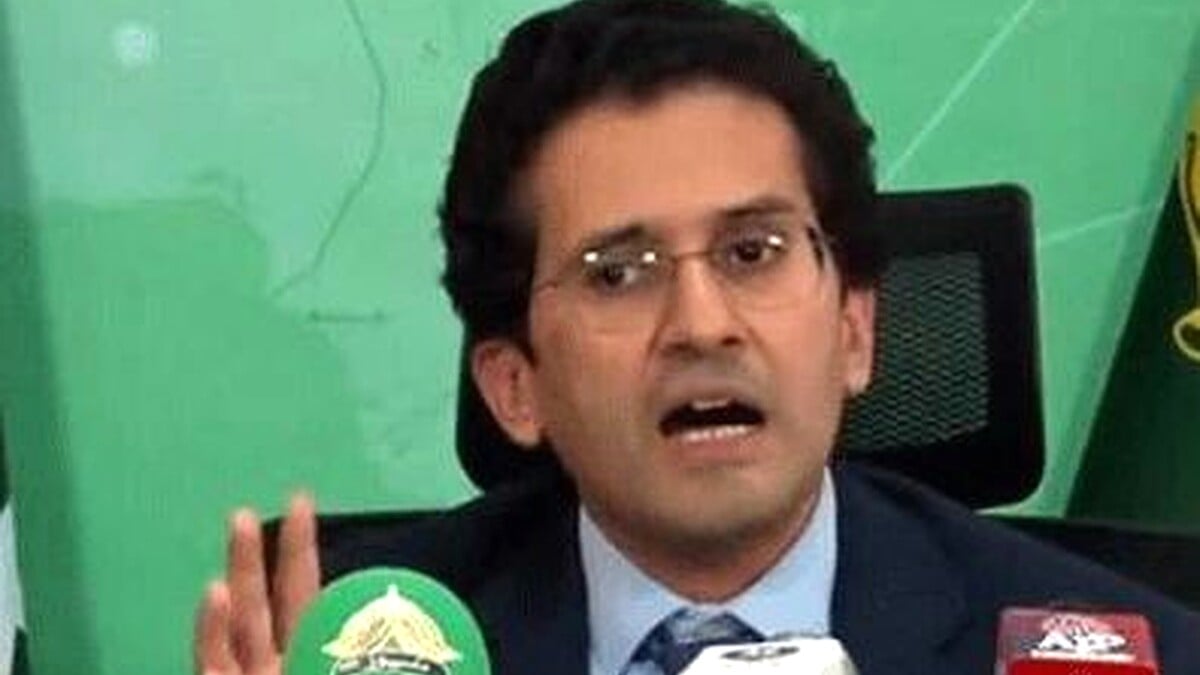
Federal Minister for Petroleum Ali Pervaiz Malik dismissed suggestions from various quarters to turn to Russian Urals blend as a cheaper alternative, insisting that such imports remain commercially and technically unviable for the country.
The firm refusal comes at a time when the government has increased petrol and high-speed diesel prices by Rs55 per litre, pushing petrol to Rs321.17 per litre and diesel to Rs335.86 per litre in direct response to global oil market volatility.
Malik, speaking on ARY News programme Aiteraz Hai, emphasised that technical incompatibilities with Pakistan’s refining infrastructure form the primary obstacle to procuring Russian crude.
He explained that most domestic refineries are outdated hydroskimming units designed primarily for lighter Middle Eastern crudes, whereas Russian Urals is a heavy, high-sulphur variety.
Processing heavy crude in these hydroskimming refineries produces large volumes of furnace oil, a low-grade and highly polluting fuel that carries significant economic penalties.
Under the International Monetary Fund’s Resilience and Sustainability Facility (RSF), a carbon levy is imposed on furnace oil to discourage its use due to high emissions.
This levy, Malik noted, fundamentally alters the cost-benefit equation, making Russian Urals imports less attractive and often forcing refineries to export the excess furnace oil rather than utilise it domestically.
Only the Pak-Arab Refinery Company (PARCO) possesses limited upgrading capabilities, but the national refining fleet as a whole lacks the conversion capacity required for efficient processing of heavy crudes.
The minister described current global energy markets as experiencing a “rush for every molecule,” with fierce competition for available supplies amid heightened geopolitical risks.
He added that the government is actively engaging with the IMF to seek waivers or removal of furnace oil levies under both the RSF and the Extended Fund Facility (EFF).
Such relief, if granted, could allow greater domestic consumption of furnace oil and provide flexibility in addressing energy shortages, particularly as Qatar has recently suspended LNG deliveries to Pakistan.
Malik highlighted that authorities are now considering the use of furnace oil for power generation to alleviate pressure on the gas sector and prevent load-shedding escalation.
Despite the appeal of discounted Russian oil amid Brent crude hovering around $103 per barrel, the minister maintained that refinery constraints and IMF conditionalities render the option non-viable in the present circumstances.
The decision underscores Pakistan’s continued reliance on traditional suppliers from the Gulf region, even as the Strait of Hormuz faces intermittent threats that jeopardise nearly one-fifth of global oil transit.
Analysts point out that without significant upgrades to conversion-capable refineries, Pakistan will remain vulnerable to price shocks from specific crude types and geopolitical chokepoints.
The government has assured close monitoring of international supply chains and exploration of alternative shipping routes to maintain fuel availability.
Public reaction to the latest price hike has been sharp, with higher transport and production costs expected to feed into broader inflation pressures across the economy.
Minister Malik reiterated that fuel prices would be reviewed downward once global markets stabilise, but stressed that short-term alternatives like Russian crude do not align with Pakistan’s current technical and contractual realities.
The rejection highlights the complex interplay between domestic refining limitations, international financing conditions, and volatile geopolitics in shaping Pakistan’s energy import strategy.