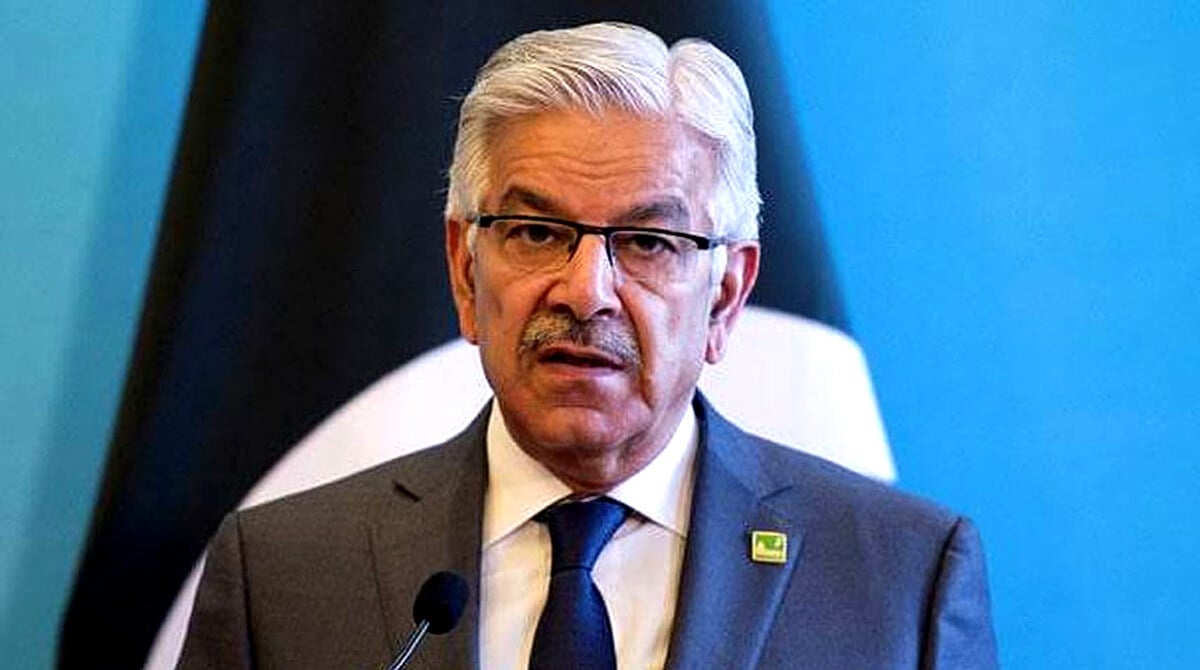




ISLAMABAD: Pakistan’s Defense Minister, Khawaja Asif, has criticized the Pakistan Peoples Party (PPP) for its varying stance on provincial autonomy.
He highlighted what he described as inconsistencies in the PPP’s position concerning the administrative structure of the country.
His remarks brought attention to an ongoing debate over the distribution of power among provinces in Pakistan.
Asif urged for comprehensive reforms in the administrative framework, emphasizing the necessity for decentralization.
According to a local media source, he accused the PPP of not fully committing to decentralization when discussing smaller administrative units.
In his statement, Asif suggested that the reluctance of the PPP could lead to discussions challenging the very notion of a united Sindh.
He underlined the importance of transferring power to lower levels as an unavoidable process for administrative efficiency.
He conveyed his perspective on the need for honest reforms in the current system, hinting at underlying motives behind PPP’s policy.
While specifics of these motives were not disclosed, Asif promised to elaborate further at a future time.
This commentary comes at a time when the organizational setup of Pakistan is under scrutiny, with many advocating for a more equitable power distribution.
Asif proposed the use of Pakistan’s existing 36 divisions to implement these reforms or create a different geographical scheme.
However, the PPP has yet to formally respond to Asif’s statements, which could ignite further political discourse.
The topic of provincial autonomy remains a contentious one in Pakistan’s political landscape, with varying opinions on the best approach to administration.
Analysts argue that Asif’s stance reflects the broader call for reform in the governmental structure to cater to regional needs efficiently.
This development adds a new layer to the ongoing political narrative in Pakistan.
It is worth noting that Asif’s comments are part of a broader political strategy, where parties often use criticism to gain leverage.
The criticism is expected to fuel discussions and possibly influence future policy decisions regarding provincial governance.
Observers will be watching keenly to see how this criticism will shape the political dialogue surrounding provincial autonomy.
This is a developing story, and further updates will follow as reactions and discussions unfold.