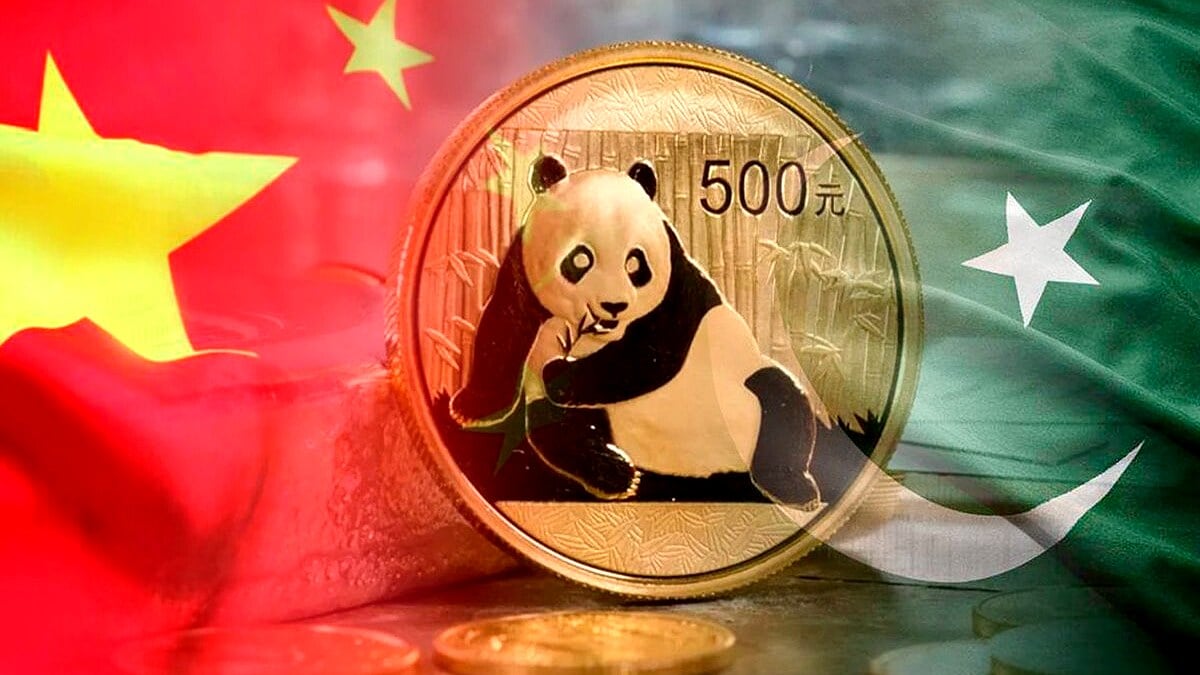




ISLAMABAD: Pakistan and China have taken a significant step forward in their economic partnership by signing five memorandums of understanding (MoUs).
These agreements were finalized during the 5th Pakistan Investment & Business Environment Exchange Forum in Guangzhou.
The MoUs cover various sectors, including electric vehicles, battery manufacturing, building materials, pine nut procurement, and medical tourism.
This development comes as the two nations celebrate 75 years of diplomatic relations.
The forum saw participation from over 160 government officials, business leaders, and trade representatives.
Investment roadshows and business-to-business matchmaking were key features of the event.
The agreements aim to expand bilateral trade and investment between Pakistan and China.
Pakistan’s exports to China have seen a significant increase, reaching $1.87 billion in the first half of 2026.
This figure represents a 50.3% rise compared to the previous year, according to official data.
Exports to Guangdong province have also recorded notable growth.
The new deals signal efforts to diversify economic cooperation into manufacturing, agriculture, technology, e-commerce, and services.
Electric vehicles and battery manufacturing are sectors with immense potential for both countries.
China is a global leader in electric vehicle technology and production.
Pakistan aims to leverage this expertise to develop its own electric vehicle industry.
The MoU on battery manufacturing is expected to boost local production capabilities.
Building materials are another area where Pakistan and China seek to enhance collaboration.
China’s advanced construction technologies can support Pakistan’s infrastructure development.
Pine nut procurement is a strategic move to tap into China’s vast consumer market.
Pakistan is a major producer of pine nuts, which are highly valued in China.
The agreement on medical tourism aims to attract Chinese patients to Pakistan’s healthcare facilities.
Pakistan offers cost-effective medical services, which can appeal to Chinese tourists.
These MoUs reflect a broader strategy to strengthen economic ties beyond traditional trade.
Both countries are keen to explore new avenues for cooperation in emerging sectors.
The forum highlighted the importance of innovation and technology in future collaborations.
China’s Belt and Road Initiative continues to play a pivotal role in Pakistan’s development.
The China-Pakistan Economic Corridor remains a cornerstone of this partnership.
As the two nations deepen their economic engagement, questions arise about the long-term impact.
Will these new agreements lead to sustainable growth and job creation in Pakistan?
How will they influence regional trade dynamics and geopolitical relations?
The answers to these questions will unfold as Pakistan and China implement their ambitious plans.