ISLAMABAD: Deputy Prime Minister and Foreign Minister Ishaq Dar revealed that Pakistan’s intensive diplomatic engagements played a pivotal role in persuading Iran to limit its retaliatory actions, effectively stopping direct attacks on United States interests following recent escalations in the Middle East.
Dar disclosed these developments while addressing concerns over the volatile situation triggered by US and Israeli strikes on Iran. He emphasized Pakistan’s active involvement in back-channel communications to prevent further broadening of the conflict.
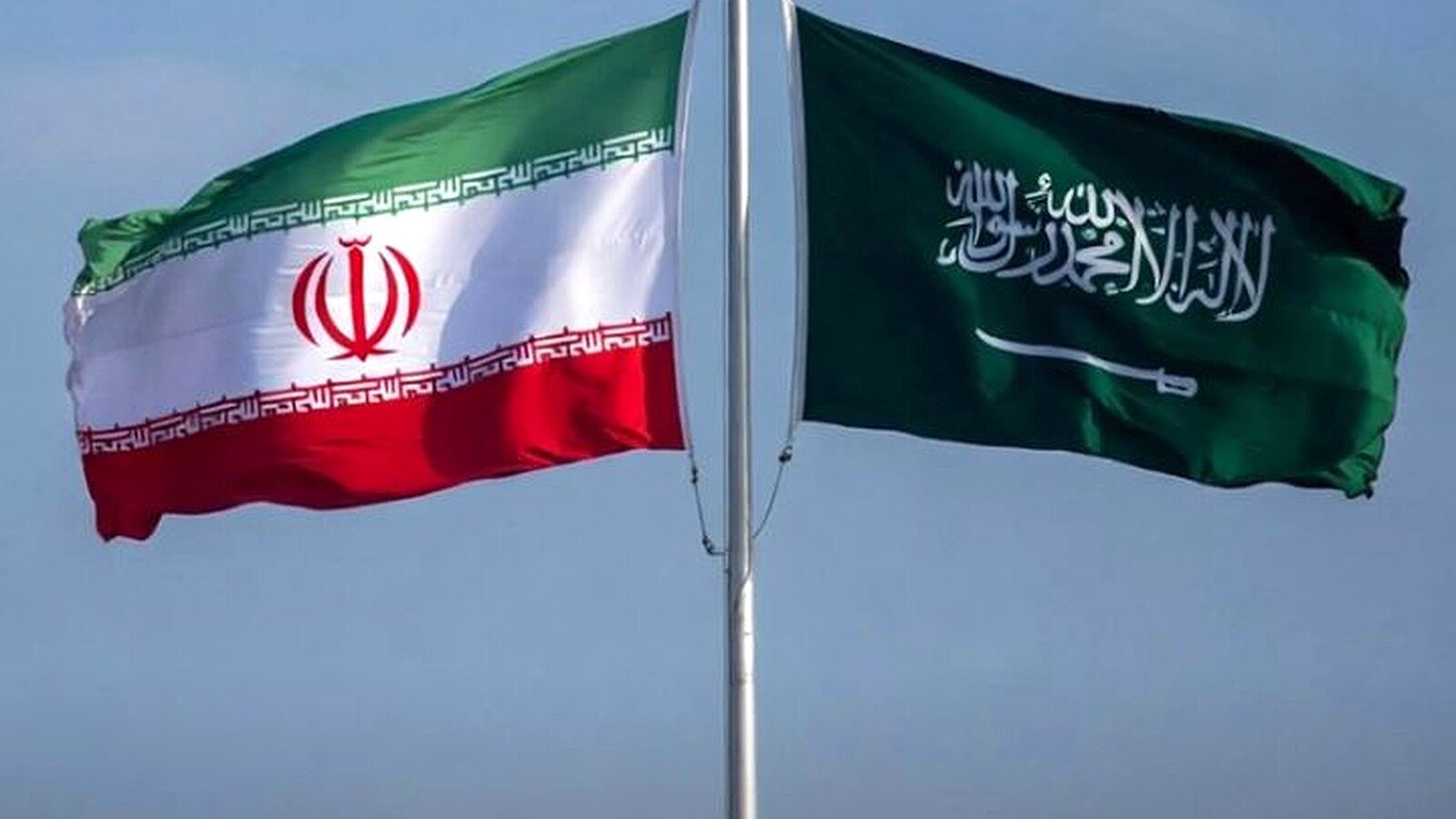
The deputy prime minister highlighted his recent interactions, including a visit to Saudi Arabia where he engaged with Iranian Foreign Minister Seyed Abbas Araghchi. During these discussions, Dar invoked Pakistan’s longstanding defence pact with Saudi Arabia to underscore the need for restraint.
Pakistan maintains a strategic defence agreement with Saudi Arabia, which has been strengthened in recent years through mutual cooperation on security matters. This pact positions Islamabad as a credible interlocutor capable of influencing outcomes in Gulf-related tensions.
Dar described engaging in shuttle communication with Saudi authorities and their foreign minister, alongside parallel contacts with Iranian officials. These efforts yielded results, as evidenced by Iran’s measured response toward Saudi Arabia.
He noted that the response from Iran directed at Saudi Arabia remained at a “minimum” level, a direct outcome of these diplomatic interventions. This de-escalation helped contain the spillover of hostilities into broader Gulf territories.
The deputy prime minister pointed out that Pakistan’s balancing act stems from its fraternal ties with Iran and strong alliances in the Arab world. Islamabad condemned the initial unwarranted attacks on Iran while simultaneously urging all parties to prioritize dialogue over military action.
In the Senate, Dar affirmed that Pakistan would persist in its efforts toward de-escalation between the United States and Iran. He mentioned extensive contacts over recent days with counterparts from various nations to encourage both sides toward the negotiating table.
These diplomatic initiatives occurred against a backdrop of heightened regional instability. US and Israeli operations targeted Iranian facilities and leadership, prompting Iranian missile and drone retaliations across the Gulf, including on US-associated sites.
Iran’s actions initially raised fears of a wider war, with strikes affecting multiple countries. However, targeted diplomacy appears to have influenced Tehran’s calculus, leading to a reduction in intensity against certain targets.
Dar’s shuttle approach reflects Pakistan’s growing role as a regional stabilizer. The country has historically mediated in crises, leveraging its geographic position and relationships with both Western powers and neighboring states.
He specifically recalled reminding Araghchi of Pakistan’s commitments under the Saudi defence pact. This reference served to highlight potential implications for regional security if escalations continued unchecked.
Practical measures also emerged from these talks. Dar confirmed that Pakistan International Airlines flights operated safely via Oman’s airspace for those wishing to depart Saudi Arabia. He himself returned on Sunday using this route, demonstrating the viability of alternative pathways amid disruptions.
Pakistan’s foreign policy stance remains consistent in advocating peaceful resolutions. The government has repeatedly called for urgent resumption of diplomacy to address underlying issues, including those related to Iran’s nuclear program and broader Middle East stability.
Observers note that these developments underscore the value of third-party mediation in complex conflicts. Pakistan’s interventions helped avert a more severe escalation, preserving fragile channels for future negotiations.
The deputy prime minister stressed that continued dialogue offers the only sustainable path forward. He expressed hope that all stakeholders would recognize the perils of prolonged confrontation and commit to de-escalatory steps.
As tensions simmer, Pakistan’s diplomatic push has contributed to a temporary calming of direct confrontations involving US assets. This outcome reinforces Islamabad’s credentials in regional peacemaking efforts.
The situation remains fluid, with ongoing monitoring required to ensure sustained restraint. Pakistan stands ready to facilitate further communications if needed to safeguard peace in the region.