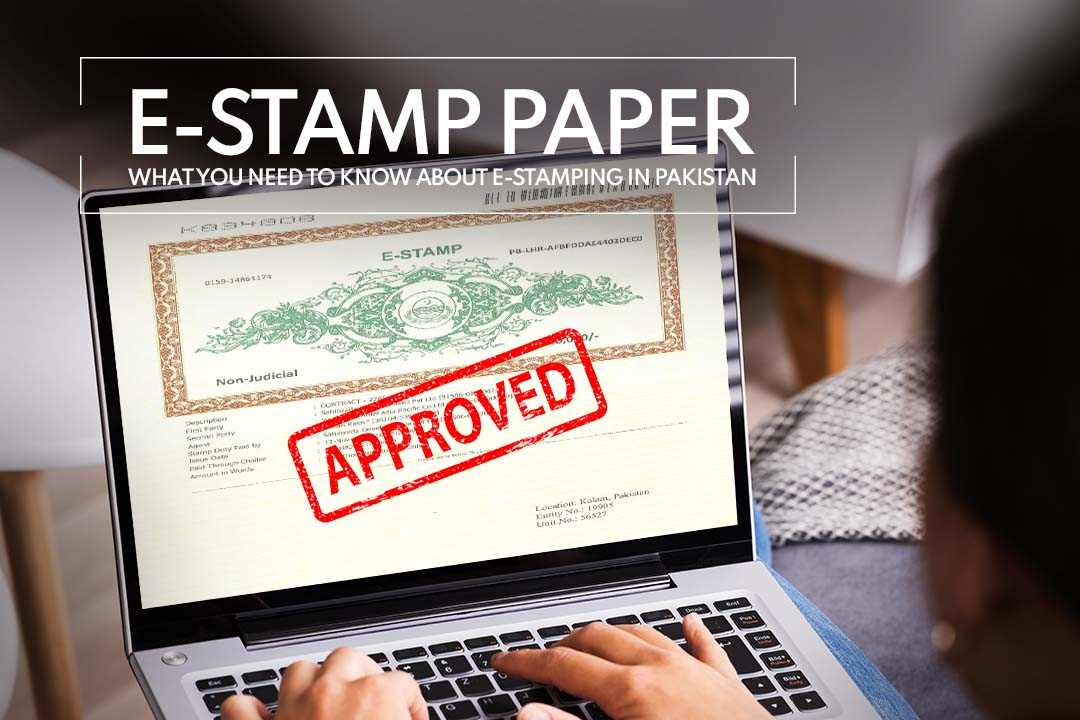




ISLAMABAD: Sindh Government has introduced a groundbreaking digital property registration system that allows overseas Pakistanis to complete property transactions online without visiting registration offices in person. This initiative, hailed as revolutionary by Sindh Information Minister Sharjeel Inam Memon, addresses long-standing challenges faced by the diaspora in buying and selling real estate. Integrated with NADRA’s biometric verification, the system promises enhanced transparency, security, and reduced fraud risks in property dealings across the province.
The Sindh cabinet, chaired by Chief Minister Syed Murad Ali Shah, approved the Sindh Registration (Amendment) Bill 2025, amending Section 38 of the Sindh Registration Act 1908. This legal change exempts overseas Pakistanis from mandatory physical appearance at sub-registrar offices. Instead, sale deeds can now be executed digitally through Pakistani diplomatic missions and embassies abroad, marking a significant shift towards modernizing land administration in the province.
Under the new mechanism, verification processes rely on a NADRA-linked e-registration platform. This enables biometric thumb impressions and advanced facial recognition at any of the 49 interconnected sub-registrar offices or People’s Service Centres in Sindh. The integration ensures identity confirmation regardless of territorial jurisdiction, streamlining procedures and minimizing opportunities for impersonation or fraudulent claims in property transfers.
Sharjeel Inam Memon emphasized that these technological safeguards will restore confidence among expatriates who have historically encountered delays, travel costs, and bureaucratic obstacles. By eliminating the need for in-person visits, the system reduces financial burdens on overseas Pakistanis, many of whom contribute substantially to the national economy through remittances. Official estimates suggest that such reforms could encourage greater investment in Sindh’s real estate sector from the global Pakistani community.
The initiative extends beyond convenience to combat property fraud effectively. Biometric and facial verification features provide robust layers of security, making it difficult for unauthorized parties to manipulate records. Authorities anticipate that this will curb common malpractices such as forged documents and multiple registrations of the same property, which have plagued the sector for decades and eroded trust in the registration process.
In a parallel development, the cabinet approved the indigenization of the provincial e-stamping system by transferring its management to the Sindh Information Technology Company (SITC). Previously handled by the Punjab Information Technology Board, this shift promotes digital autonomy for Sindh. A five-year master service agreement with SITC has been signed at Rs7 million per month, incorporating a 10 percent annual escalation to account for operational expansions and technological upgrades.
Future enhancements to the e-stamping framework include the introduction of a mobile application, paperless stamp duty issuance, CNIC-linked processes, and two-factor authentication. Integration with key institutions such as Defence Housing Authority (DHA), Central Depository Company (CDC), and insurance firms is planned to boost revenue collection efficiency. These steps align with broader provincial goals of digitization and improved governance in administrative services.
The digital property registration system forms part of a larger cabinet package that includes infrastructure improvements, environmental protections, and judicial reforms. By facilitating easier property access for overseas Pakistanis, Sindh aims to attract more foreign direct investment into real estate and urban development projects. This could stimulate economic growth in Karachi and other major cities, where demand for housing remains high amid population pressures.
Experts view this reform as a timely response to the evolving needs of Pakistan’s diaspora, estimated at over 9 million worldwide. Remittances from overseas Pakistanis consistently rank among the top sources of foreign exchange for the country. Enabling seamless property ownership without logistical hurdles is expected to strengthen economic ties and encourage repatriation of capital into productive assets within Sindh.
While implementation details are still unfolding, the government’s emphasis on NADRA integration highlights a commitment to leveraging existing national biometric infrastructure. This approach ensures interoperability and data accuracy across federal and provincial systems. As the system rolls out, monitoring mechanisms will be crucial to address any initial technical challenges and ensure widespread accessibility for users abroad.
The launch underscores Sindh’s proactive stance on digital governance reforms. By prioritizing expatriate facilitation, the province sets a potential precedent for other regions in Pakistan to adopt similar measures. This could lead to a more unified national framework for overseas property transactions in the future, benefiting millions of Pakistanis living and working internationally.