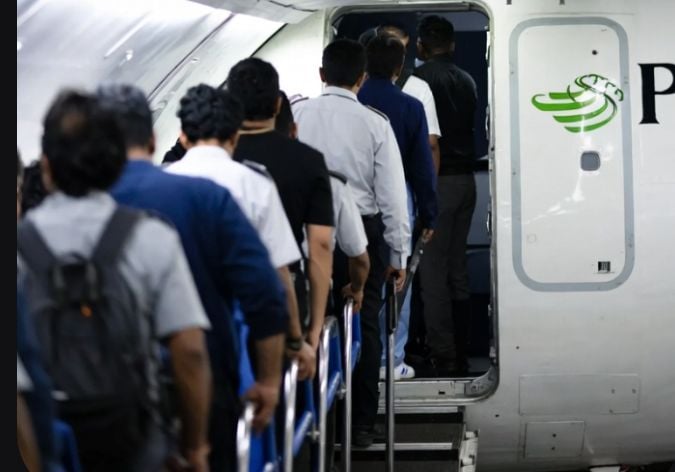




ISLAMABAD: A staggering 38,616 Pakistani nationals were deported from Gulf Cooperation Council countries in 2025 alone, according to official figures presented by the Ministry of Overseas Pakistanis and Human Resource Development during a National Assembly session. The revelation, made under the chairmanship of Speaker Sardar Ayaz Sadiq, underscores growing enforcement of immigration laws in the region and raises serious questions about compliance with host country regulations. The majority of cases involved illegal residency, visa overstays, and other infractions, prompting renewed calls for stricter oversight of outbound travel.
The breakdown of deportations reveals Saudi Arabia as the primary source, accounting for 27,692 individuals, followed by the United Arab Emirates with 6,794, Oman with 2,537, Bahrain with 786, Qatar with 644, and Kuwait with 163. These numbers reflect intensified crackdowns across GCC states, where authorities have prioritized curbing misuse of visit, pilgrimage, and work visas. Officials emphasized that deportees were primarily found residing illegally or violating entry conditions, contributing to reputational challenges for Pakistan on the international stage.
Complementing the ministry’s data, the Federal Investigation Agency disclosed that 51,000 Pakistanis were offloaded at domestic airports in 2025 while attempting to travel abroad. This preventive measure targeted suspicious travel patterns, including attempts to enter Europe disguised as Umrah pilgrims with inconsistent documentation. Such actions highlight proactive domestic efforts to stem irregular migration flows before they escalate into foreign deportations.
A significant portion of deportations stemmed from allegations of begging, with Saudi Arabia repatriating around 24,000 Pakistanis on these grounds during the year. The UAE followed with approximately 6,000 similar cases, while Azerbaijan expelled about 2,000 individuals involved in organized begging networks. Parliamentary committees were briefed that these activities, often orchestrated through syndicates, exploit pilgrimage and tourist visas, leading to public nuisance and strained bilateral ties with host nations.
The trend has prompted diplomatic concerns, as Gulf countries have expressed frustration over the involvement of Pakistani nationals in criminal or semi-criminal activities abroad. Reports indicate that begging syndicates recruit vulnerable individuals, promising lucrative opportunities but channeling them into street-level operations. This phenomenon not only damages Pakistan’s image but also affects legitimate overseas workers who depend on remittances from the region.
In response to the escalating deportations, Pakistani authorities have implemented measures including passport cancellations for repeat offenders and placement on control lists. Earlier data from related sessions showed thousands deported cumulatively since prior years for similar reasons, with ongoing efforts to discourage such practices through awareness campaigns and stricter document verification at departure points.
The National Assembly Standing Committee on Overseas Pakistanis, chaired by relevant members, reviewed these trends amid briefings from the FIA Director General. Discussions focused on the reputational harm caused by deportations linked to begging and immigration violations, urging coordinated action between ministries to rehabilitate affected individuals and prevent recurrence.
The National Assembly Standing Committee on Overseas Pakistanis, chaired by relevant members, reviewed these trends amid briefings from the FIA Director General. Discussions focused on the reputational harm caused by deportations linked to begging and immigration violations, urging coordinated action between ministries to rehabilitate affected individuals and prevent recurrence.
Experts note that while remittances from Gulf-based Pakistanis remain vital to the economy, unchecked irregular migration undermines long-term opportunities. The figures from 2025 illustrate a broader challenge in managing labor outflows, where economic pressures drive some towards risky pathways despite available legal channels.
Authorities continue to stress the importance of adhering to host country laws to safeguard the welfare of millions of Pakistanis employed abroad. Enhanced cooperation with GCC partners is seen as essential to address root causes and restore confidence in bilateral migration frameworks.