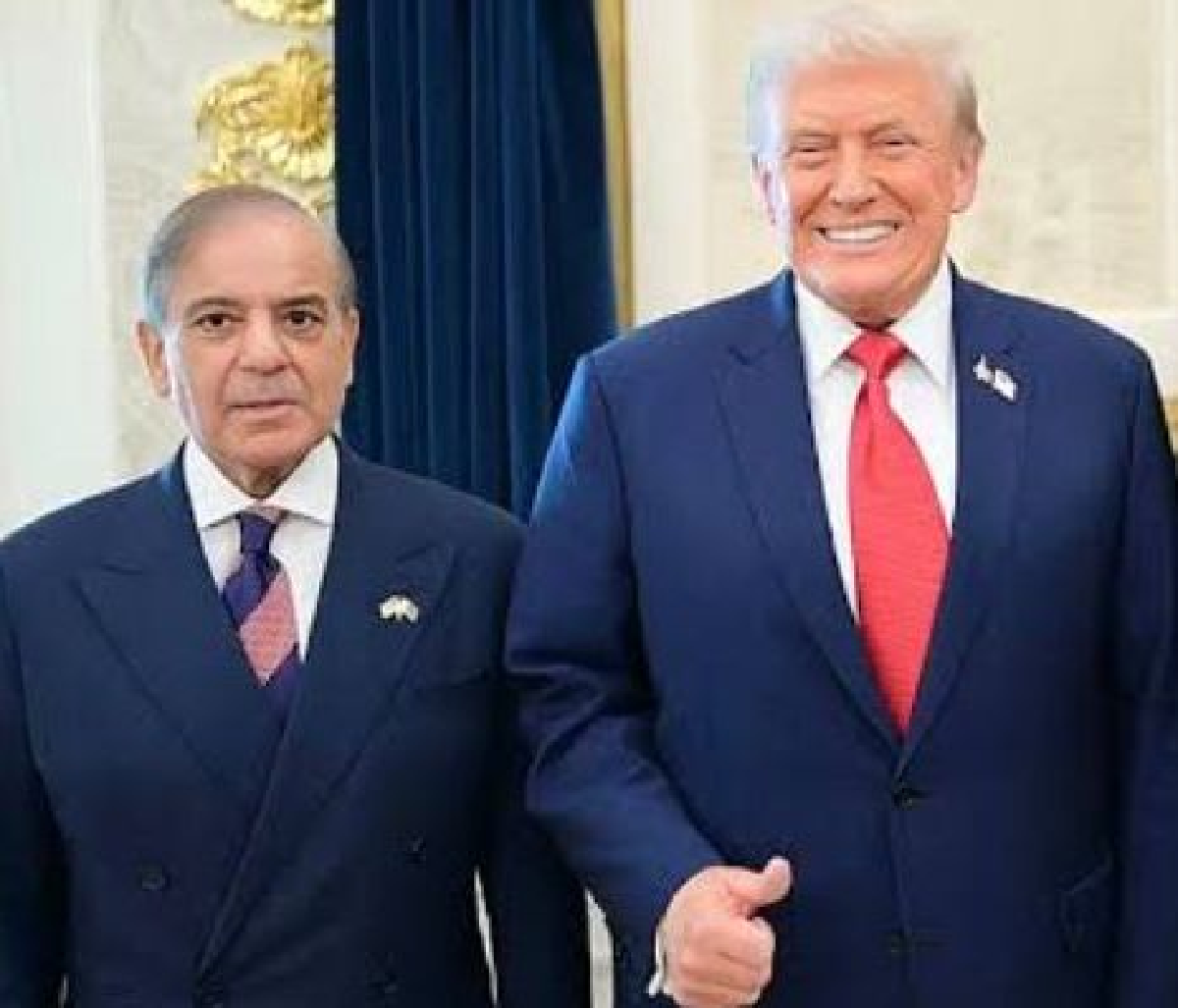




ISLAMABAD: Prime Minister Shehbaz Sharif is set to depart for Washington on February 18 to participate in the inaugural leaders' meeting of the Board of Peace on February 19, diplomatic sources confirmed. The high-level gathering, chaired by US President Donald Trump, focuses primarily on Gaza's post-war reconstruction following the recent ceasefire implementation. Pakistan's attendance underscores its commitment to international efforts addressing the humanitarian crisis and long-term stability in the region. The visit also includes anticipated bilateral engagements, highlighting Islamabad's active role in global peace diplomacy amid ongoing Middle East challenges.
The Board of Peace, formally launched in January 2026 during the World Economic Forum in Davos, represents a US-initiated multinational platform initially proposed to oversee Gaza's governance, security, and redevelopment. Reports indicate that the February 19 session at the US Institute of Peace in Washington aims to formalize the board's mandate, structure, and operational framework while mobilizing substantial funding for reconstruction efforts. Over two dozen countries have been invited or joined, with Pakistan among eight Muslim-majority nations including Saudi Arabia, Turkiye, Egypt, Jordan, Indonesia, Qatar, and the UAE expected to contribute perspectives rooted in regional interests and humanitarian priorities.
Diplomatic sources familiar with the preparations revealed that the meeting will emphasize advancing the second phase of the Gaza peace plan, which encompasses demilitarization, technocratic governance, and large-scale rebuilding initiatives. The board's executive structure includes prominent figures such as former British Prime Minister Tony Blair and Jared Kushner, tasked with portfolios ranging from funding coordination to regional relations. While some Western allies have expressed caution regarding the initiative's potential overlap with United Nations mechanisms, participating nations view it as a pragmatic avenue for coordinated responses to the conflict's aftermath.
Pakistan's decision to engage stems from its longstanding advocacy for Palestinian rights and a just resolution to the Gaza crisis. Officials in Islamabad believe the forum offers a strategic opportunity to articulate the country's viewpoint on ensuring unimpeded humanitarian access, sustaining the ceasefire, and preventing recurrence of violence. Prime Minister Sharif is expected to deliver remarks outlining Pakistan's support for comprehensive dialogue and reconstruction, aligning with broader calls for international accountability and aid mobilization. This participation reflects Pakistan's evolving diplomatic posture in multilateral settings focused on conflict resolution.
The visit extends beyond the Board of Peace session, with sources indicating a possible bilateral meeting between Prime Minister Sharif and President Trump on February 20. Such engagements could address bilateral ties, economic cooperation, and shared concerns over regional security dynamics. Additional sideline interactions with other world leaders attending the gathering may facilitate discussions on interconnected issues, including counter-terrorism and trade. Pakistan's involvement in this US-led initiative signals a willingness to collaborate on innovative approaches to peacebuilding, even as debates persist about the board's long-term efficacy compared to established international bodies.
Analysts observe that the inaugural meeting arrives at a critical juncture, with Phase Two of the Gaza agreement underway since mid-January 2026. Key objectives include dismantling remaining militant infrastructures, establishing transitional administration under a National Committee for the Administration of Gaza, and securing commitments for reconstruction financing. The board's fundraising component during the Washington session is anticipated to attract pledges from member states, with permanent membership reportedly linked to significant contributions. Pakistan's presence among diverse participants highlights the inclusive nature of the effort, despite skepticism from certain quarters about its mandate expansion beyond Gaza.
The humanitarian situation in Gaza remains dire, with widespread destruction necessitating urgent international intervention. Reports from various sources emphasize the need for sustained ceasefire adherence, removal of restrictions on aid delivery, and investment in infrastructure revival. Pakistan has consistently called for an end to hostilities and provision of relief, positions likely to feature prominently in Prime Minister Sharif's address. Participation in the Board of Peace aligns with Islamabad's foreign policy emphasizing multilateralism and support for oppressed populations, while also fostering closer coordination with the United States on strategic matters.
As preparations advance, the meeting is poised to set precedents for future board activities, potentially influencing global conflict resolution frameworks. Pakistan's proactive involvement demonstrates its dedication to contributing constructively toward lasting peace in Gaza and beyond.