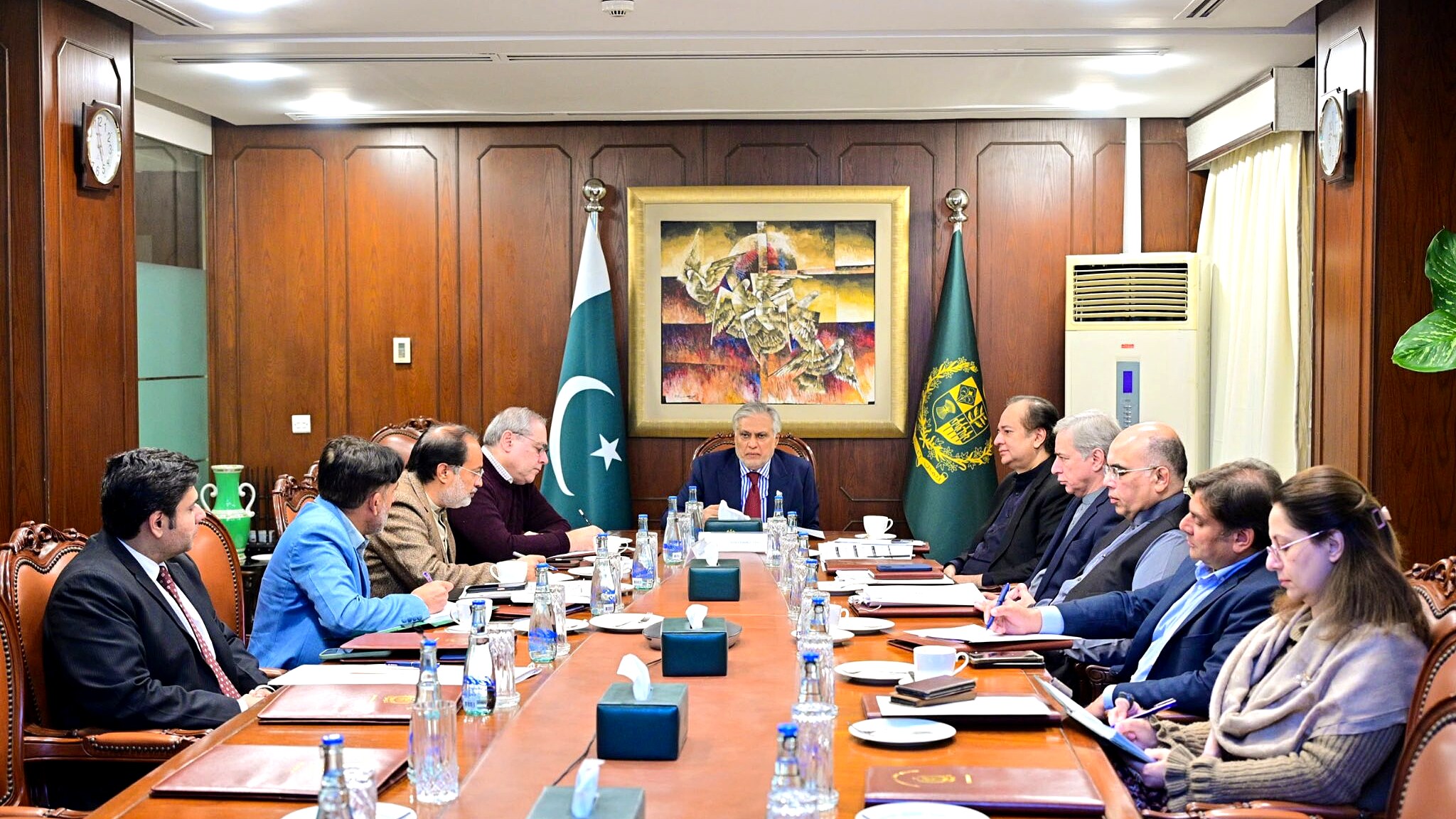


ISLAMABAD: Pakistan and Bangladesh have agreed to significantly enhance bilateral trade, focusing on essential goods, agricultural products, and vital inputs. This move signals a renewed commitment to strengthening economic ties between the two South Asian nations.
The agreement aims to facilitate the import and export of a wide range of commodities. This includes agricultural produce, raw materials, and manufactured goods critical for both economies.
Officials from both countries have expressed optimism about the potential of this trade pact. They believe it will foster greater economic cooperation and mutual benefit.
The focus on essential goods is seen as a strategic step. It ensures that key items reach consumers and industries efficiently. This could lead to more stable prices and improved availability.
Agricultural products form a significant part of the agreement. Both Pakistan and Bangladesh have strong agricultural sectors. This pact opens new avenues for their produce to reach wider markets.
More on this topic: Pakistan Economy & IMF · All topics
The deal also covers industrial inputs. This is crucial for supporting manufacturing and production capabilities in both nations. It can help reduce reliance on external suppliers for certain materials.
This renewed focus on trade comes after a period of relatively subdued economic interaction. The agreement is expected to inject new dynamism into the bilateral relationship.
The Pakistani business community has welcomed the development. They anticipate new opportunities for exports and market expansion.
Similarly, Bangladeshi businesses are looking forward to accessing Pakistani goods. They also see potential for increased exports to Pakistan.
The pact is structured to streamline trade processes. This includes simplifying customs procedures and addressing logistical challenges.
Experts suggest that increased trade can lead to job creation. It can also contribute to economic growth and development in both countries.
The agreement underscores the importance of regional economic integration. It highlights how neighbouring countries can leverage their strengths.
Further discussions are expected to detail specific product lists and trade volumes. This will pave the way for concrete implementation of the agreement.
The enhanced trade relationship is anticipated to build stronger diplomatic ties. Economic interdependence often fosters greater political understanding.
This initiative is a positive step towards diversifying trade partnerships. It demonstrates a proactive approach to economic diplomacy.
The long-term implications of this agreement could be substantial. It has the potential to reshape trade flows and economic strategies.
Both nations are committed to making this trade pact a success. They aim to build a robust and mutually beneficial economic corridor.
Source: Express Tribune