

ISLAMABAD:
Crude oil prices surged in early Asian trade on Thursday, continuing a trend from the previous day. This rise is directly linked to growing concerns over global oil supplies.
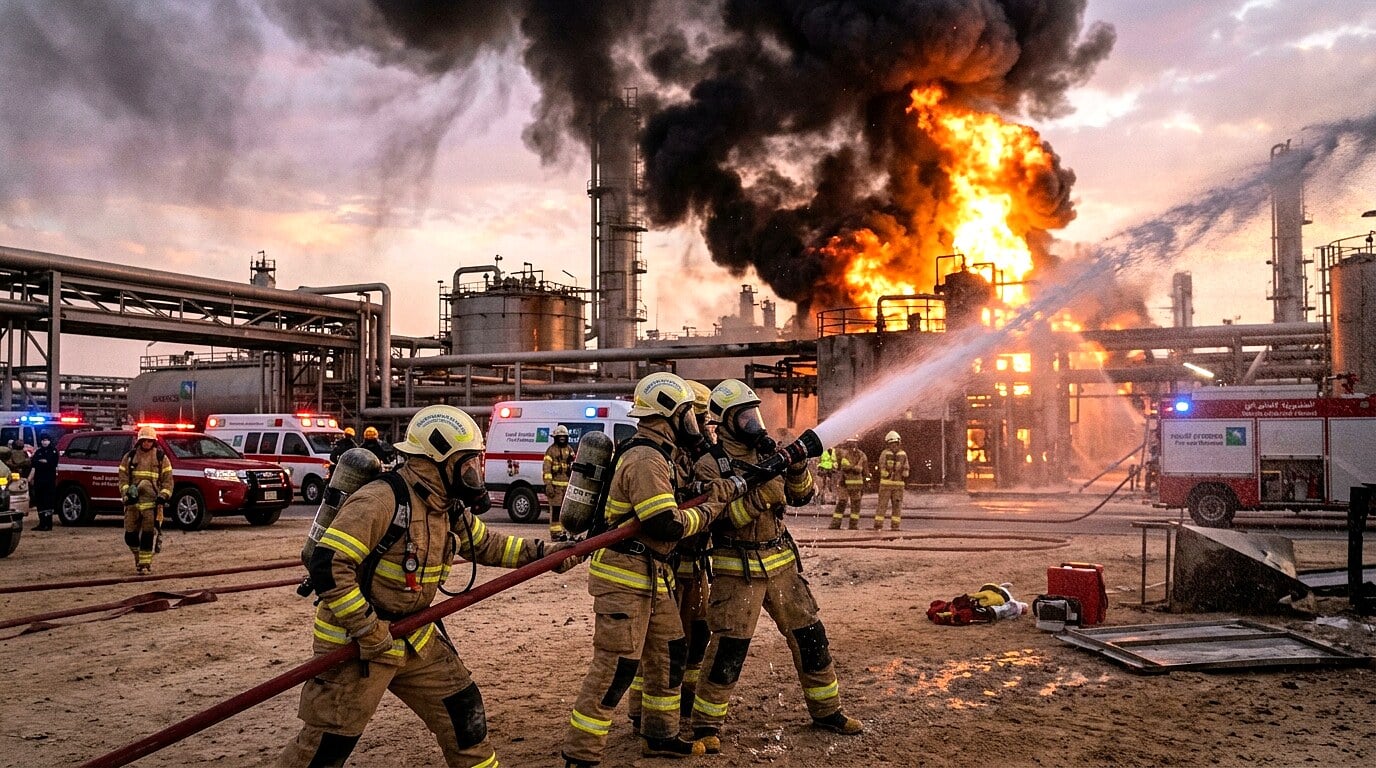
The escalation follows recent incidents in the vital Middle East shipping lanes. Yemen’s Houthi rebels have claimed responsibility for an attack on Saudi Arabia’s largest oil refinery.
This development immediately sent ripples through the energy markets. The refinery is a critical hub for global oil production and distribution.
Adding to the supply anxieties, at least two ships were reportedly struck by mines in the Strait of Hormuz. This waterway is a crucial chokepoint for oil tankers.
The incidents in the Strait of Hormuz have heightened fears of further disruptions. These attacks directly threaten the flow of oil from the region.
More on this topic: Pakistan Defence & Security · All topics
Brent crude futures saw an increase of 10 cents per barrel. This small but significant jump reflects the market’s immediate reaction to the news.
The ongoing tensions in the Middle East are a major factor influencing oil price volatility. Traders are closely monitoring the situation for any further developments.
The Houthi movement has been increasingly active in targeting strategic locations. Their actions are aimed at pressuring their adversaries in the region.
Similarly, the mine incidents in the Strait of Hormuz raise serious questions about maritime security. The deliberate targeting of commercial vessels creates immense risk.
These events underscore the fragility of global energy security. Any disruption in major oil-producing regions can have far-reaching economic consequences.
The international community is watching these developments with concern. The potential for wider conflict looms over the region.
Analysts suggest that sustained attacks could lead to a more significant and prolonged increase in oil prices. This would impact economies worldwide.
The reliance on Middle Eastern oil means that such incidents have a disproportionate effect. Consumers and industries alike will feel the pinch.
The coming days will be crucial in determining the extent of the impact. Further statements from involved parties and naval assessments are expected.
The security of shipping lanes remains a paramount concern for global trade. Any threat to these routes necessitates a swift and effective response.
The market’s reaction indicates a clear sensitivity to supply-side shocks. Investors are pricing in the risk of reduced oil availability.
The situation highlights the complex geopolitical landscape of the Middle East. Energy security and regional stability are intrinsically linked.
The potential for retaliatory actions or further escalations cannot be ruled out. This adds another layer of uncertainty to the market outlook.
The global economy’s recovery is often tied to stable energy prices. Any significant upward movement can hinder economic growth.
The strategic importance of the targeted refinery and the Strait of Hormuz can
Source: Aaj TV
More on this topic: Economy & IMF →