

ISLAMABAD:
The digital age has revolutionized information dissemination, especially during critical events. Eyewitnesses can now instantly share footage of crises, aiding both citizens and emergency responders.
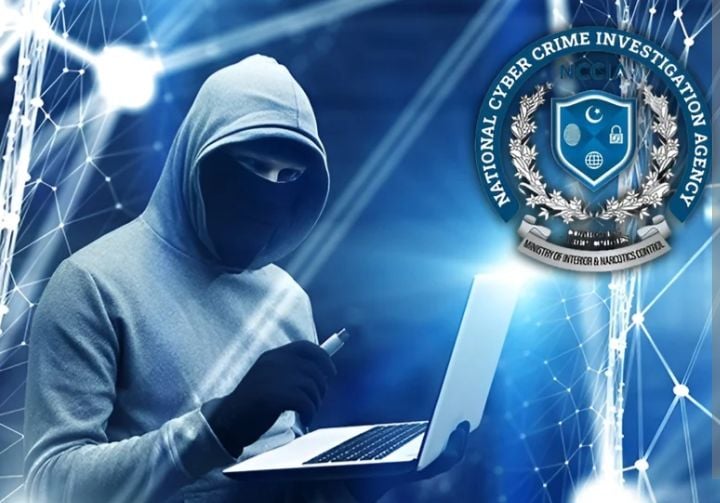
However, these same platforms can rapidly spread fabricated narratives. Advanced deepfake technology makes altering images, cloning voices, and creating false videos of public figures increasingly accessible and affordable.
These tools empower malicious actors to discredit opponents with fabricated statements. They can also precisely target specific audiences with this manufactured content.
This evolving landscape presents a significant challenge for Pakistan. The nation must proactively address the weaponization of disinformation.
Social media’s speed and reach amplify the impact of false narratives. This can sow discord and undermine public trust in institutions.
Combating this requires a multi-faceted approach. It involves technological solutions, public awareness campaigns, and strategic communication.
Pakistan needs to invest in capabilities to detect and counter deepfakes and other forms of manipulated media. This includes developing advanced analytical tools.
Public education is crucial to foster critical media consumption. Citizens must be equipped to identify and question suspicious content.
A robust national communication strategy is essential. This strategy should promote accurate information and swiftly rebut false claims.
International cooperation can also play a role. Sharing best practices and collaborating on threat intelligence can strengthen defenses.
The government and security agencies must work in tandem. This ensures a coordinated and effective response to digital threats.
By understanding the tactics used in disinformation campaigns, Pakistan can build resilience. This will safeguard its national interests and maintain stability in the digital sphere.
Source: Express Tribune