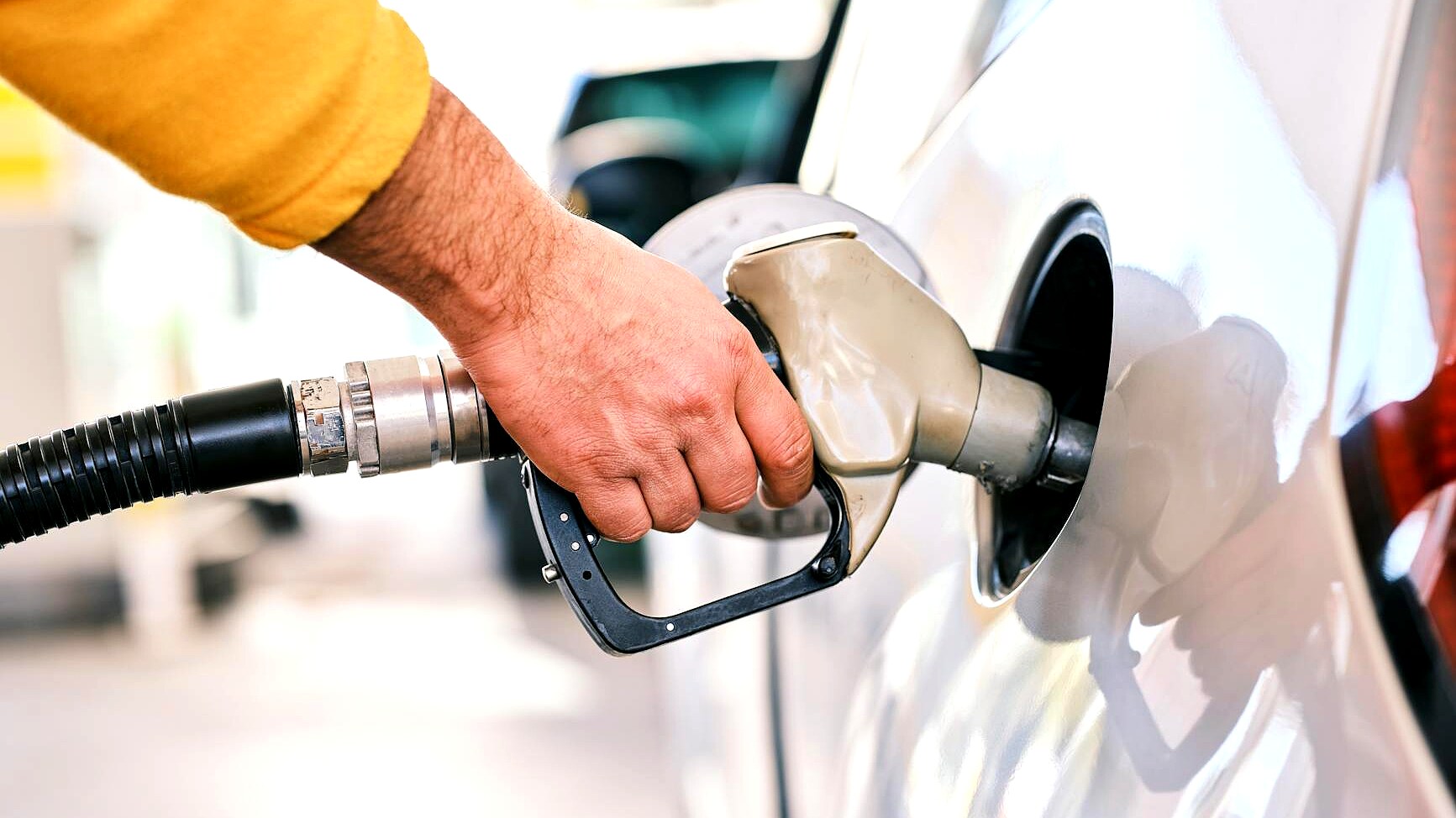


ISLAMABAD: Pakistan’s petrol consumers are experiencing notable relief as the government has announced a price reduction, bringing petrol down to Rs319 per litre. This adjustment follows a cumulative decrease of nearly Rs60 since early November 2026, marking a significant shift in fuel pricing.
The latest revision, effective from November 24, reflects a decrease of Rs3 from the previous rate of Rs322 per litre. Meanwhile, the price of high-speed diesel (HSD) remains unchanged at Rs357 per litre.
This reduction is a part of a broader trend observed throughout November, with prices consistently declining.
The price adjustments have been welcomed by motorists, transporters, and businesses that have been grappling with high fuel expenses. The recent cuts are seen as a much-needed relief for consumers who have faced escalating costs in recent months.
Throughout November, petrol prices have seen a steady downward trajectory, with several revisions contributing to the current rate. The price on November 1 was Rs377.91, and subsequent adjustments brought it down incrementally to Rs319. The following are key price points from the month:
– November 1: Rs377.91
– November 17: Rs328
– November 19: Rs322
– November 24: Rs319
The government’s pricing mechanism has been instrumental in implementing these changes, which are largely influenced by global oil market dynamics. Increased oil supplies from the Middle East and the resumption of operations at a Libyan oil pipeline have exerted downward pressure on global oil prices.
On the trading front, Brent crude futures fell by $2.02, or 2.18%, to $90.55 per barrel, while US West Texas Intermediate (WTI) dropped by $1.59, or 1.91%, to $81.82 per barrel.
These reductions in international oil prices have allowed for the adjustments in domestic fuel costs.
Despite the positive news for consumers, it is important to note that the petroleum levy and other applicable duties still account for over Rs100 per litre of petrol.
The government has also introduced temporary relief measures, including contributions from refineries aimed at lowering fuel prices and targeted support programs for owners of smaller vehicles.
The decrease in petrol prices is expected to have a ripple effect on various sectors of the economy, potentially lowering transportation costs and influencing the prices of goods and services. This could lead to increased consumer spending, which is vital for economic recovery.
As the government continues to monitor global oil trends and domestic consumption patterns, further adjustments may be anticipated. The recent cuts have sparked discussions among economists and policymakers regarding the sustainability of such pricing strategies in the face of fluctuating global oil markets.
Looking ahead, the implications of these price changes could be significant. Will consumers see further reductions, or will geopolitical tensions and market volatility lead to price increases once again? The future of fuel prices remains uncertain.
Source: pakobserver
More on this topic: Economy & IMF →