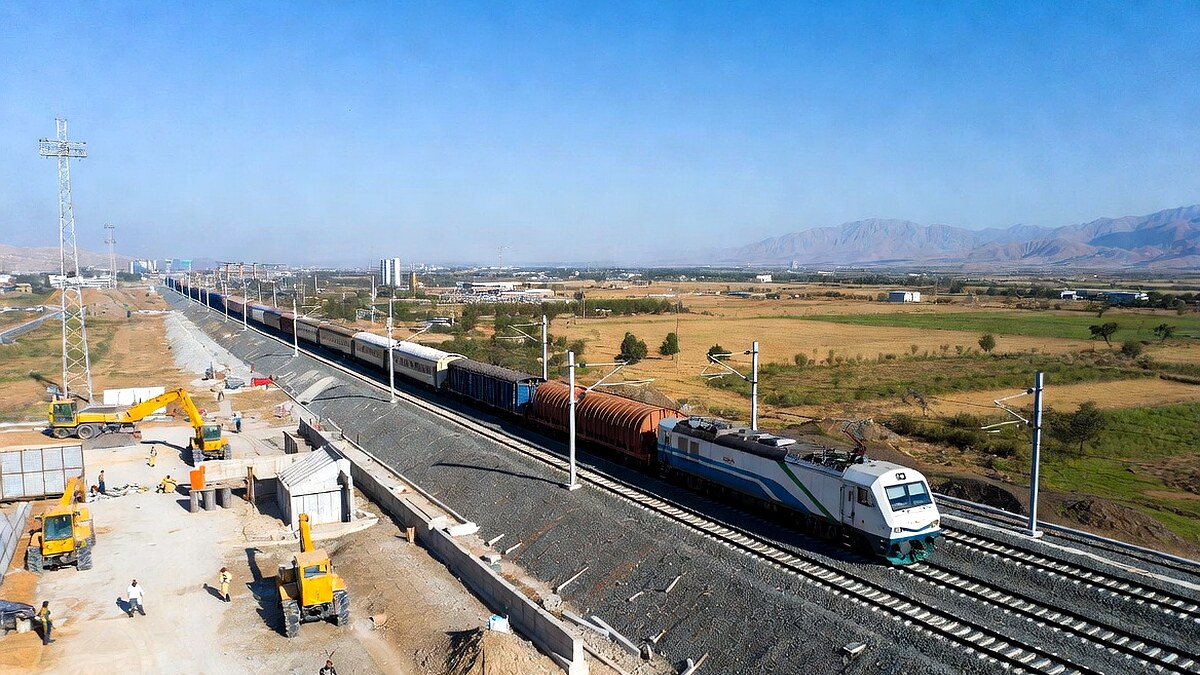




ISLAMABAD: At the recent ESCAP ministerial conference on transport, Pakistan emerged as a strong advocate for regional connectivity and the development of alternate trade corridors. This significant event, held in Bangkok, brought together representatives from various countries to discuss the future of transport and trade in the Asia-Pacific region.
A pivotal moment during the conference was Pakistan’s call for enhanced collaboration among member states to streamline transport networks. The country highlighted the importance of integrating infrastructure projects that can facilitate trade and bolster economic ties across borders. This initiative is particularly vital as countries in the region seek to recover from the economic impacts of the COVID-19 pandemic and enhance resilience against future disruptions.
Pakistan’s commitment to regional connectivity is not new. The country has consistently emphasized the need for cooperative frameworks that allow for seamless trade and transportation. The ESCAP conference provided a platform for Pakistan to reiterate its strategic vision, which aligns with broader regional goals of economic integration and sustainable development.
The discussion on alternate trade corridors is especially relevant in the context of shifting global trade patterns. With traditional routes facing congestion and geopolitical tensions, the need for diversified trade pathways has never been more pressing. Pakistan’s proposal for alternate corridors aims to reduce reliance on single routes and enhance the overall efficiency of trade in the region.
One of the key aspects of Pakistan’s strategy is its focus on infrastructure development. The country has made significant investments in transport infrastructure, including roads, railways, and ports, to support its vision of becoming a regional trade hub. The China-Pakistan Economic Corridor (CPEC) is a prime example of this commitment, as it aims to enhance connectivity between China and Pakistan while also linking to Central Asia and beyond.
During the conference, Pakistan’s delegation emphasized the role of technology in improving transport systems. The integration of digital solutions can streamline logistics, reduce costs, and enhance the overall efficiency of trade operations. This forward-thinking approach positions Pakistan as a leader in adopting innovative solutions to address contemporary challenges in transport and trade.
Moreover, the conference highlighted the significance of sustainable transport solutions. Pakistan underscored the need for environmentally friendly practices in the transport sector, aligning with global efforts to combat climate change. By advocating for sustainable transport, Pakistan aims to contribute to a greener future while also enhancing its own economic prospects.
The discussions at the ESCAP conference also touched on the importance of public-private partnerships (PPPs) in advancing transport infrastructure projects. Pakistan’s government
Source: ARY News