



ISLAMABAD: The judicial landscape of Pakistan is poised for a significant transformation as the country prepares to formalize its cooperation with Turkiye. From November 23 to 27, 2026, a high-level delegation from the Court of Cassation of the Republic of Turkiye, led by President Omer Kerkez, will visit Pakistan, culminating in the signing of a pivotal Memorandum of Understanding (MoU) on judicial cooperation.
What makes this MoU particularly noteworthy is its aim to create a structured and forward-looking framework for collaboration between the two nations’ judicial systems. This initiative is not merely a procedural formality; it reflects a deep-seated commitment from both Pakistan and Turkiye to strengthen their judicial ties and enhance institutional links between their superior courts.
A key aspect of the MoU is its focus on judicial exchanges and capacity building. This initiative seeks to foster an environment where both countries can share best practices in adjudication, ensuring that their judicial systems are not only efficient but also aligned with international standards. The MoU is expected to facilitate joint training programs, academic exchanges, and exposure to comparative judicial practices, particularly benefiting the professional development of judges at the district level.
Moreover, the integration of modern technologies into judicial processes is a central feature of this cooperation. By embracing technological advancements, both nations aim to improve efficiency, transparency, and access to justice. This is particularly crucial in today’s digital age, where the judicial system must adapt to the evolving needs of society.
During their visit, the Turkiye delegation will engage in high-level institutional meetings with key stakeholders in Pakistan’s justice sector. These discussions will address contemporary challenges in adjudication and judicial administration, paving the way for reform-oriented initiatives that can enhance the overall judicial framework.
The cultural dimension of this visit cannot be overlooked. In addition to official engagements, the delegation will explore significant cultural sites such as Taxila, Faisal Mosque, and the Walled City of Lahore. These visits will not only highlight Pakistan’s rich cultural heritage but also reinforce the importance of people-to-people connections alongside institutional ties.
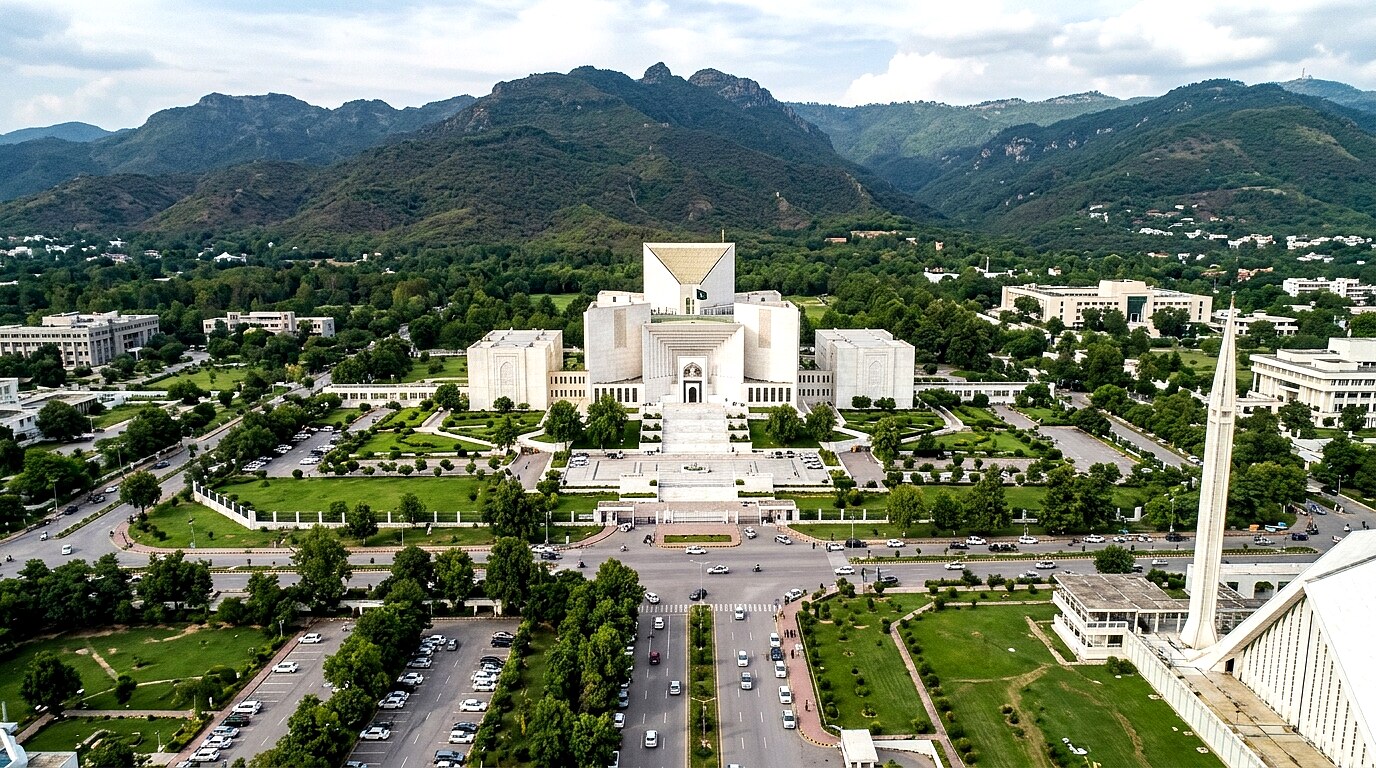
The MoU signing ceremony, set to take place at the Supreme Court, will be a moment of transparency and public engagement. It will be broadcast live, allowing citizens to witness this landmark event. The ceremony will be attended by judges from the Supreme Court and the Federal Constitutional Court, chief justices of high courts, and key figures from the legal fraternity, including the federal minister for law and justice and the attorney general for Pakistan.
This collaboration is part of the Supreme Court’s broader efforts to promote a modern, efficient, and responsive justice system that aligns with international standards.
Source: Express Tribune