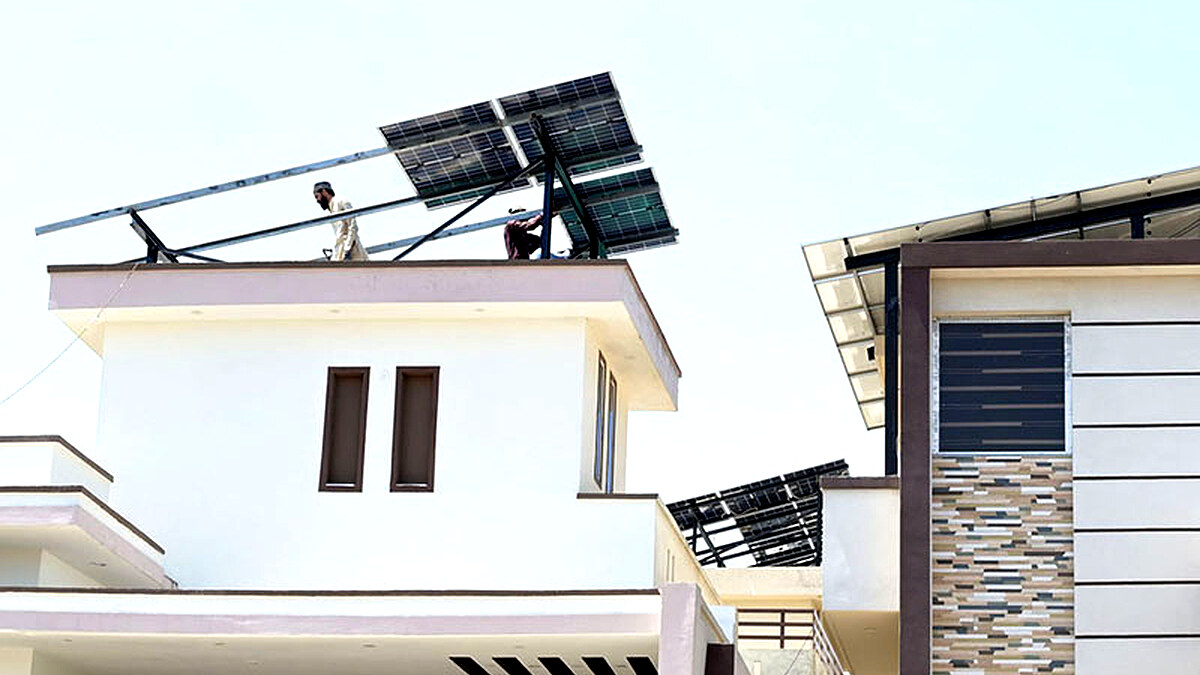


ISLAMABAD: In a remarkable shift, Pakistan is witnessing a solar energy boom that is transforming the way households and industries consume electricity. For Faisal Shahzad, a newlywed in rural Punjab, the most cherished wedding gift isn’t the traditional dowry items but a 340W solar panel that powers his home. “We ran it from 08:00 in the morning until evening,” he shares, highlighting how his family no longer relies on the national grid during the day.
The solar panel phenomenon is sweeping across Pakistan, with rooftops adorned with imported solar panels from homes to hospitals, and fields to factories. According to Renewables First, a local think tank, the share of electricity generated from solar energy has skyrocketed from 1% in 2018 to an impressive 28% in 2025.
Approximately seven million households now harness solar power, marking a significant shift in energy consumption patterns.
A cultural transformation is underway, as traditional wedding gifts evolve. “People used to gift motorbikes or household items; now a solar panel and air cooler are becoming essential,” Shahzad notes. This change reflects a growing awareness of renewable energy’s benefits, especially as electricity costs rise.
With the average monthly wage in Pakistan hovering just below 40,000 Pakistani rupees (about £110; $145), many families find it increasingly difficult to manage monthly electricity bills that can reach 15,000-18,000 rupees.
The global push for sustainability, highlighted by COP31’s focus on reducing reliance on fossil fuels, has placed Pakistan in the spotlight as a model for solar energy adoption.
However, this rapid transition has put pressure on the national grid, which struggles to accommodate the surge in solar energy usage. The shift towards solar has largely been driven by individual households rather than government initiatives, as many seek to escape the rising electricity prices and frequent outages associated with the national grid.
Muhammad Hassan Dajana from Renewables First notes that electricity tariffs have more than doubled in recent years, while the cost of solar panels has plummeted by 93%. “People have found another way to survive,” remarks Energy Minister Awais Ahmad Leghari, emphasizing the economic viability of solar energy.
Despite the clear advantages of solar energy, concerns loom over the potential consequences for the national grid. As more households opt for solar power, fewer consumers are left to shoulder the fixed costs of maintaining the grid.
This could lead to a “utility death spiral,” where rising energy prices push even more customers to abandon the grid, creating a two-tier system. Those unable to afford solar panels may face escalating bills, while the grid becomes an increasing burden on the state.
The Pakistani government is already feeling the financial impact of this shift. Leghari reveals that the exodus from the grid has cost remaining consumers over $500 million annually in just the past two years.
Source: Yahoo News