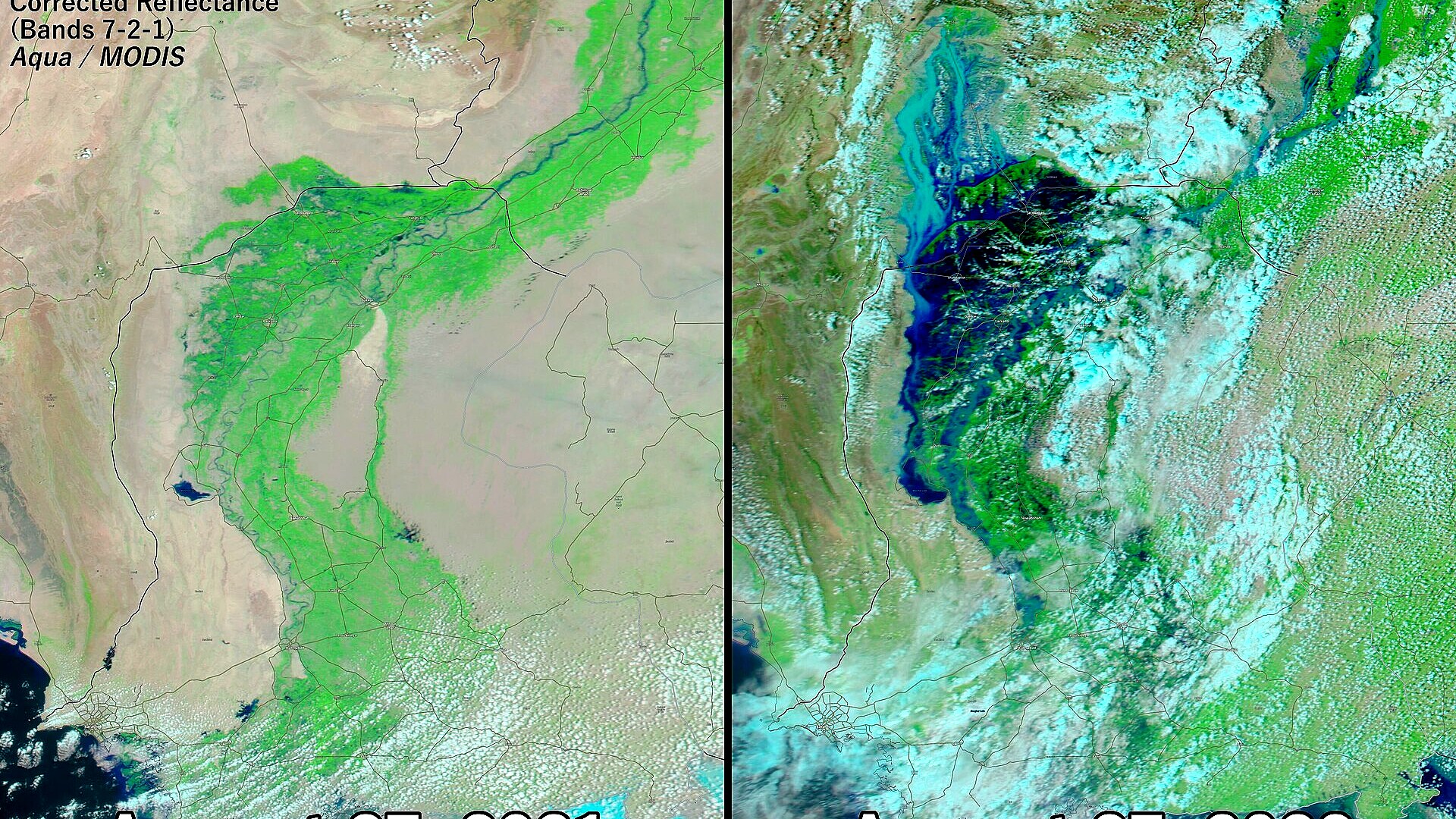




ISLAMABAD: The Indus River, one of the world’s oldest rivers, has been a lifeline for civilizations for millennia. However, as modern borders and treaties come into play, this ancient waterway now finds itself under unprecedented strain. What does this mean for the millions who rely on its waters for survival?
The Indus River, flowing through the heart of Pakistan, has supported agriculture and urban life for centuries. It is not merely a river; it is a symbol of cultural heritage and economic stability. The river’s basin is home to approximately 220 million people, with agriculture accounting for a significant portion of Pakistan’s GDP. Yet, the increasing pressures from climate change, population growth, and geopolitical tensions are raising concerns about the future of this vital resource.
Historical Context of the Indus River
Historically, the Indus River has played a crucial role in the development of the region. It was the foundation of the Indus Valley Civilization, one of the world’s earliest urban cultures, which flourished around 2500 BCE. The river’s fertile plains allowed for advanced agricultural practices, contributing to the growth of cities such as Harappa and Mohenjo-Daro.
As borders were drawn and nations formed, the river continued to be a critical resource for the people of Pakistan. The Indus Water Treaty, signed in 1960 between India and Pakistan, was designed to regulate water sharing and ensure that both countries could benefit from the river’s waters. However, the treaty is now facing significant challenges.
Growing Strain on the Treaty
The Indus Water Treaty was initially hailed as a success, but recent developments have put it under strain. With increasing water demand due to population growth and agricultural needs, both countries are feeling the pressure. India has been accused of constructing dams and projects that could potentially divert water from the Indus and its tributaries, raising alarms in Pakistan about water security.
Moreover, climate change poses an additional threat. The melting glaciers in the Himalayas, which feed the Indus River, are expected to lead to fluctuating water levels, impacting both countries. This situation raises questions about the sustainability of the treaty and whether it can withstand the test of time amid these modern challenges.
Impact on Agriculture and Economy
The agricultural sector in Pakistan heavily relies on the Indus River, with crops such as wheat, rice, and cotton depending on its waters. Any disruption in the river’s flow could have dire consequences for food security and the economy. According to the Pakistan Bureau of Statistics, agriculture contributes around 24% of the country’s GDP and employs nearly 42% of the workforce.
As water scarcity becomes a pressing issue, farmers are already feeling the impact. Reports indicate that many are struggling to irrigate their fields, leading to reduced crop yields. This not only affects farmers’ livelihoods but also