



ISLAMABAD: In a notable shift within the commodities market, Arabica coffee futures on the Intercontinental Exchange (ICE) experienced a rise on Monday, moving away from a recent seven-week low. This uptick is largely attributed to dwindling exchange stocks, which have reached their lowest levels in 27 years, sparking renewed concerns over supply.
Coffee prices saw a 0.4 percent increase, reaching $2.7470 per pound as of 1712 GMT, recovering from a low of $2.62 recorded last Thursday. Recent data reveals a staggering 15 percent decline in coffee stocks over just two trading sessions, with current levels at 211,321 bags. This significant drop has kept prices buoyant, although analysts anticipate that stock levels may stabilize as crop prospects in Brazil, the world’s leading coffee producer, remain optimistic.
Interestingly, there are currently 166,456 bags awaiting quality checks at ICE warehouses, poised to enter the certified stockpile. In contrast, Robusta coffee prices fell by 1.5 percent to $3,146 per metric ton, edging closer to a recent 2.5-year low of $3,140. This decline coincides with the onset of a plentiful harvest in Vietnam, which is expected to impact global supply.
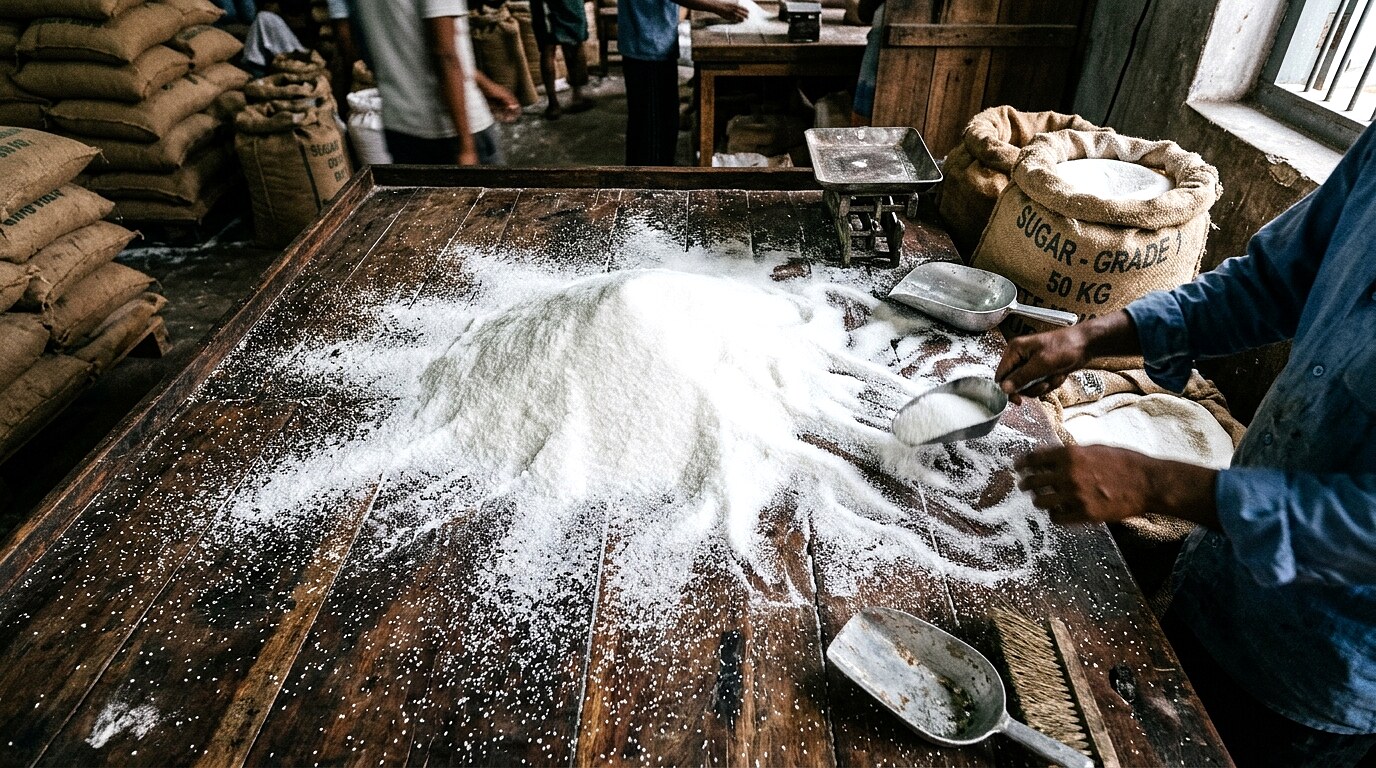
While coffee prices are on the rise, raw sugar is facing a downturn. The price of raw sugar slipped 1.3 percent to 18.17 cents per pound, following a modest gain of 1 percent the previous week. The sugar market is currently influenced by a decrease in production from Brazil’s key center-south region, although sluggish demand continues to suppress prices. Additionally, a recent drop in energy prices could lead mills to reduce ethanol production, thereby increasing sugar output. White sugar also saw a decline, falling 1.3 percent to $513.80 per metric ton.
In a significant development for the sugar market, Pakistan’s international tender for the sale and export of 108,000 tons of sugar has attracted offers, with the highest bid reported at $400 per ton for delivery ex-warehouse, according to European traders. This tender reflects the ongoing dynamics within the global sugar market and highlights Pakistan’s active role in international trade.
Meanwhile, cocoa prices are also experiencing fluctuations. London cocoa fell by 0.6 percent to £4,013 per ton, despite having settled up 1.3 percent on Friday. Cocoa arrivals at ports in the leading producer, Ivory Coast, were estimated at 49,000 metric tons for the week ending November 15, marking a 53.3 percent decrease compared to the same week last year. Concerns surrounding the El Niño weather pattern are contributing to fears of reduced global cocoa production, although weak demand for chocolate is exerting downward pressure on prices. New York cocoa prices also dipped by 0.9 percent to $5,210 per ton.
As the commodities market continues to evolve, the interplay between supply and demand remains a critical factor influencing prices. The situation in the coffee and sugar markets, particularly with the recent developments in Pakistan’s sugar tender, underscores the complexities of global trade dynamics.
Source: Arab News PK