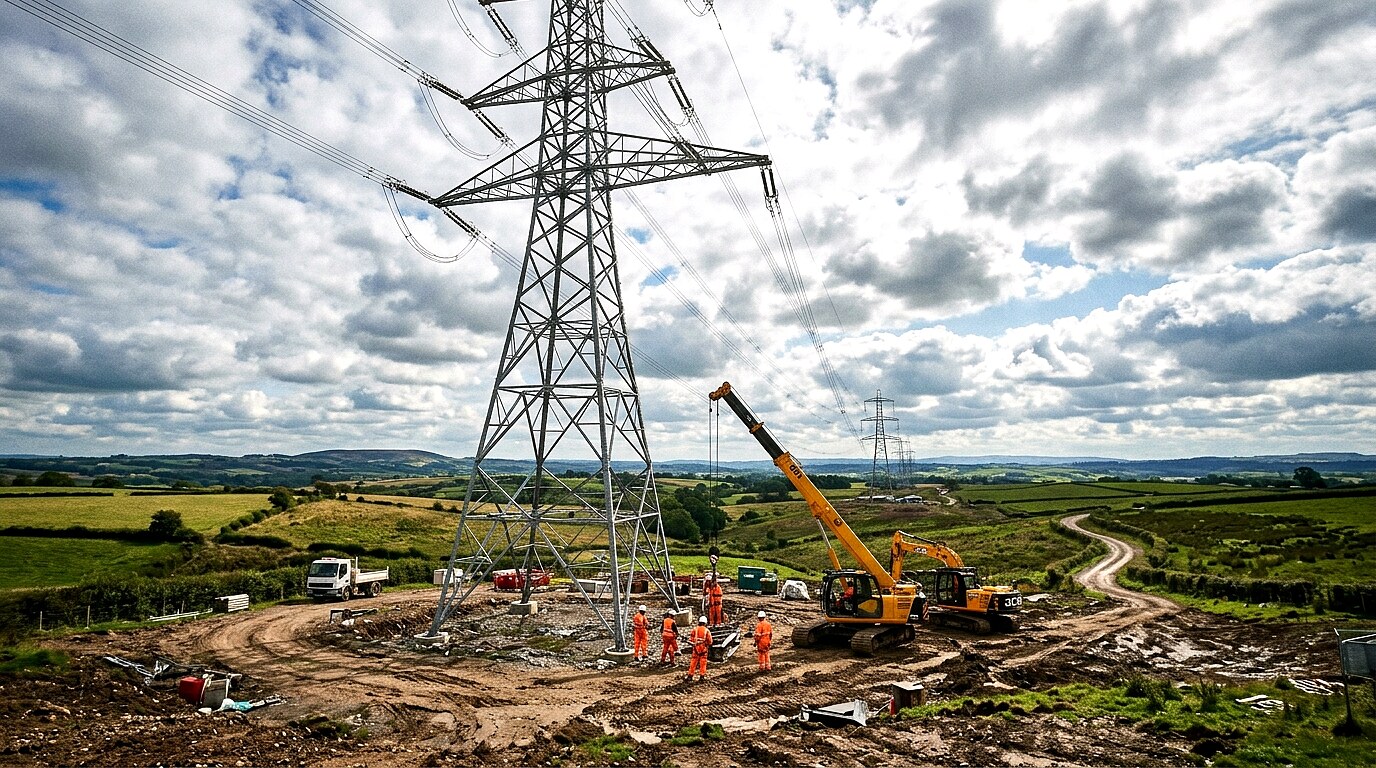




ISLAMABAD: A significant development has emerged as Pakistan and Tajikistan are actively seeking to expedite the CASA-1000 electricity project, which has been hindered by an incomplete section in Afghanistan. This project, valued at $1.2 billion, is crucial for establishing a power trading link between Central and South Asia, facilitating the transfer of surplus hydropower from Tajikistan and Kyrgyzstan to Pakistan.
The CASA-1000 initiative is designed to deliver up to 1,000 megawatts of electricity to Pakistan and 300 megawatts to Afghanistan. However, the Afghan segment of the project remains a major bottleneck, delaying the commissioning of the entire link. During a recent session of Pakistan’s National Assembly economic affairs committee, it was highlighted that the completion of the Afghan section is essential for the testing of the transmission system, as stated by the World Bank.
In a bid to address these challenges, Pakistani Deputy Prime Minister and Foreign Minister Ishaq Dar met with Tajik Foreign Minister Sirojiddin Muhriddin on the sidelines of a regional ministerial meeting in Islamabad. The discussions emphasized the importance of maximizing bilateral trade and economic cooperation between the two nations. Both leaders acknowledged the need for enhanced regional connectivity and energy collaboration, particularly focusing on the swift operationalization of the CASA-1000 project.
Despite the urgency expressed in these discussions, no specific timeline or new measures were announced to expedite the project’s completion. This lack of clarity raises questions about the future of the CASA-1000 initiative and its potential impact on regional energy dynamics.
The CASA-1000 project is not just a power supply initiative; it represents a strategic partnership that could significantly alter the energy landscape in the region. By linking Central Asian hydropower resources to South Asia, the project aims to alleviate energy shortages in Pakistan while providing Afghanistan with a much-needed power supply.
The geopolitical implications of this project are profound. With Afghanistan’s stability being a critical factor, the successful completion of the CASA-1000 project could foster greater regional cooperation and stability. However, the ongoing challenges in Afghanistan pose a significant risk to the project’s timeline and overall success.
In a broader context, the discussions between Pakistan and Tajikistan also included meetings with Iranian and Kyrgyz officials. Dar’s dialogue with Iranian Foreign Minister Abbas Araghchi focused on maintaining dialogue to prevent further regional tensions. Meanwhile, discussions with Kyrgyz officials highlighted trade and connectivity, reinforcing the need for close regional coordination.
As the CASA-1000 project continues to face delays, the urgency for resolution grows. The potential benefits of this initiative extend beyond just energy supply; it could pave the way for deeper economic ties and collaboration.
Source: Arab News PK