



ISLAMABAD: In a significant move for regional energy cooperation, officials from Pakistan and Turkmenistan are set to evaluate the progress of the long-delayed TAPI gas pipeline project today. This meeting, part of the sixth session of the Pakistan-Turkmenistan Intergovernmental Commission, is taking place in Islamabad and is expected to address critical aspects of the ambitious initiative.
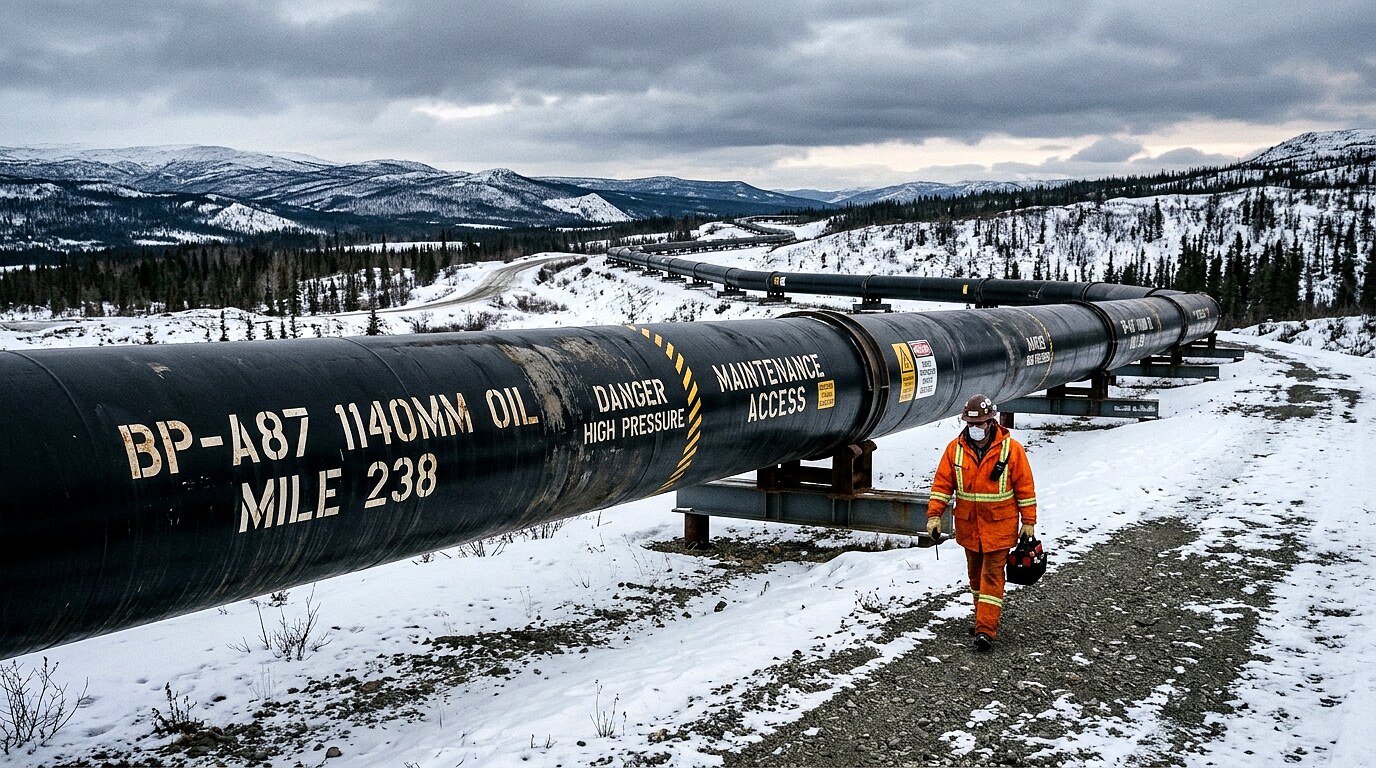
The Turkmenistan-Afghanistan-Pakistan-India (TAPI) pipeline aims to transport natural gas from Turkmenistan through Afghanistan to Pakistan and India. With an estimated capacity of 33 billion cubic meters (bcm) of natural gas annually, the pipeline will stretch approximately 1,800 kilometers (1,125 miles) from the Galkynysh gas field—recognized as the world’s second-largest—to Fazilka, a city in India close to the Pakistan border.
However, the project has faced numerous hurdles, leading to significant delays. Key challenges include disagreements over pricing and delivery points, compounded by the unstable security situation in Afghanistan. The Pakistani foreign office highlighted these concerns ahead of the talks, emphasizing the need to resolve ongoing issues to move forward.
The meeting will be co-chaired by Pakistan’s Deputy Prime Minister Ishaq Dar and Turkmenistan’s Foreign Minister Rashid Meredov. Meredov will lead a high-level delegation from Turkmenistan, which includes senior officials and representatives from various governmental institutions. This gathering presents a crucial opportunity for both nations to renew their commitment to the TAPI project and discuss additional regional connectivity and energy initiatives.
In addition to TAPI, the talks will also cover the proposed Turkmenistan-Afghanistan-Pakistan (TAP) electricity transmission project, which aims to enhance energy cooperation between the countries. The Pakistani foreign office noted that the discussions will focus on broadening bilateral economic cooperation, exploring new avenues for collaboration in sectors such as trade, investment, energy, agriculture, transport, industry, tourism, culture, education, science, information technology, health, and finance.
The importance of the TAPI pipeline for Pakistan cannot be overstated. The country has been grappling with frequent gas shortages, struggling to meet its growing energy demands. By tapping into Central Asian resources, Pakistan aims to secure a more stable energy supply and reduce its dependence on imported gas.
Moreover, Pakistan’s strategic location offers Central Asian nations access to its ports, thereby enhancing regional trade dynamics. This potential for increased connectivity is a vital aspect of Pakistan’s foreign policy, as it seeks to strengthen ties with neighboring countries and boost economic growth.
As the meeting unfolds, observers will be keen to see if the two countries can overcome their differences and make tangible progress on the TAPI project. The outcome of these talks could have far-reaching implications for regional energy security and economic collaboration.
Source: Arab News PK