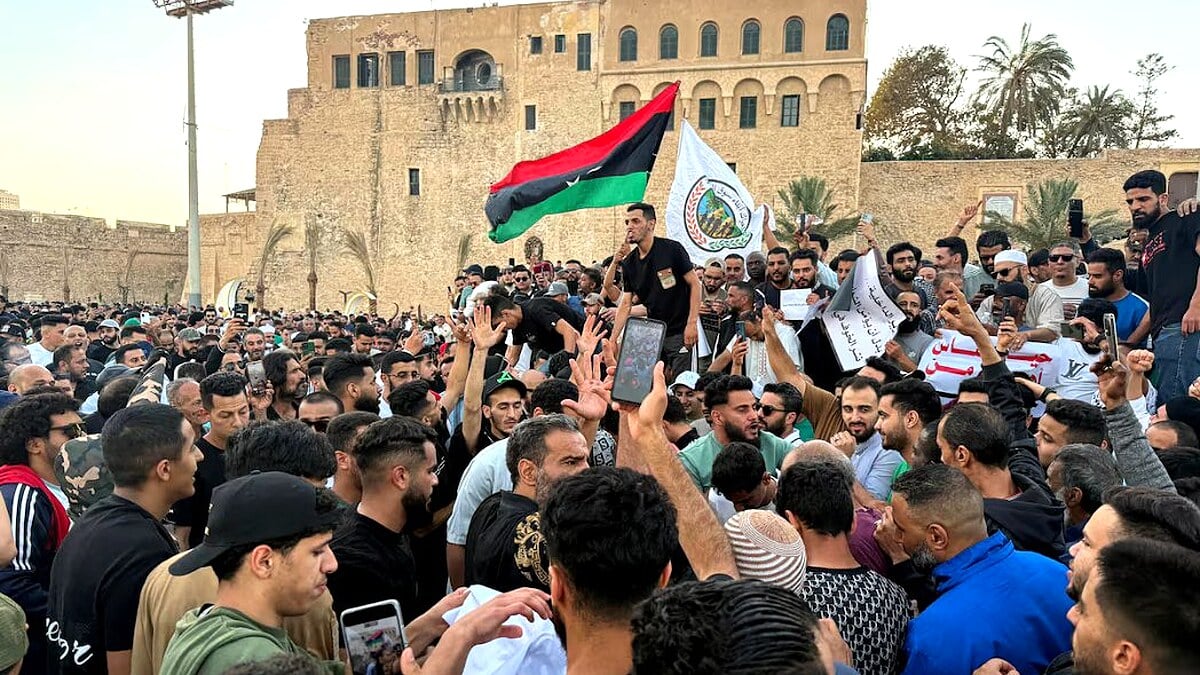




ISLAMABAD: In a significant diplomatic move, Pakistan has initiated mediation efforts between Libya’s rival administrations.
The endeavor, which has garnered support from the United States and Saudi Arabia, aims to stabilize the fractured North African nation.
This is a developing story that could reshape Libya’s political landscape.
Pakistan’s proposed plan includes establishing a 36-month transitional government.
The Government of National Consensus would see a new Presidential Council with a blend of leadership from both Libyan factions.
Prime Minister Abdulhamid Dbeibah of the Government of National Unity (GNU) would maintain his position under the plan.
Saddam Haftar, deputy commander of the Libyan National Army (LNA), would assume the role of chairing the Presidential Council.
This arrangement also designates Khalifa Haftar, LNA commander, as overseer of Libya’s budget and oil revenues.
The move demonstrates Pakistan’s ascending role in international conflict mediation.
Previously, Pakistan has played pivotal roles in dialogues between the U.S. and Iran.
The support from major players like the United States and Saudi Arabia underscores the gravity of this mediation.
Both countries have vested interests in ensuring stability in Libya.
Regional stakeholders such as Qatar and Turkey have also shown support for the plan.
Despite this backing, aligning the interests of foreign patrons with Libya’s domestic realities poses challenges.
Libya has been fragmented since 2011, following the fall of Muammar Gaddafi.
The country’s wealth of natural resources has made it an arena for international power struggles.
Reconciliation between Libya’s disparate factions remains a monumental task.
International involvement often complicates the already intricate political dynamics within Libya.
This mediation effort reflects a strategic pivot in Pakistan’s foreign policy.
Strengthening diplomatic ties and fostering peace are clear priorities for Islamabad.
Observers will be keenly watching the outcomes of this mediation initiative.
Future developments could have broad implications for the region’s geopolitical landscape.
Analysts suggest this effort could either facilitate stability or exacerbate existing tensions.
Pakistan’s mediation represents a critical junction in Libya’s pursuit of lasting peace and unity.