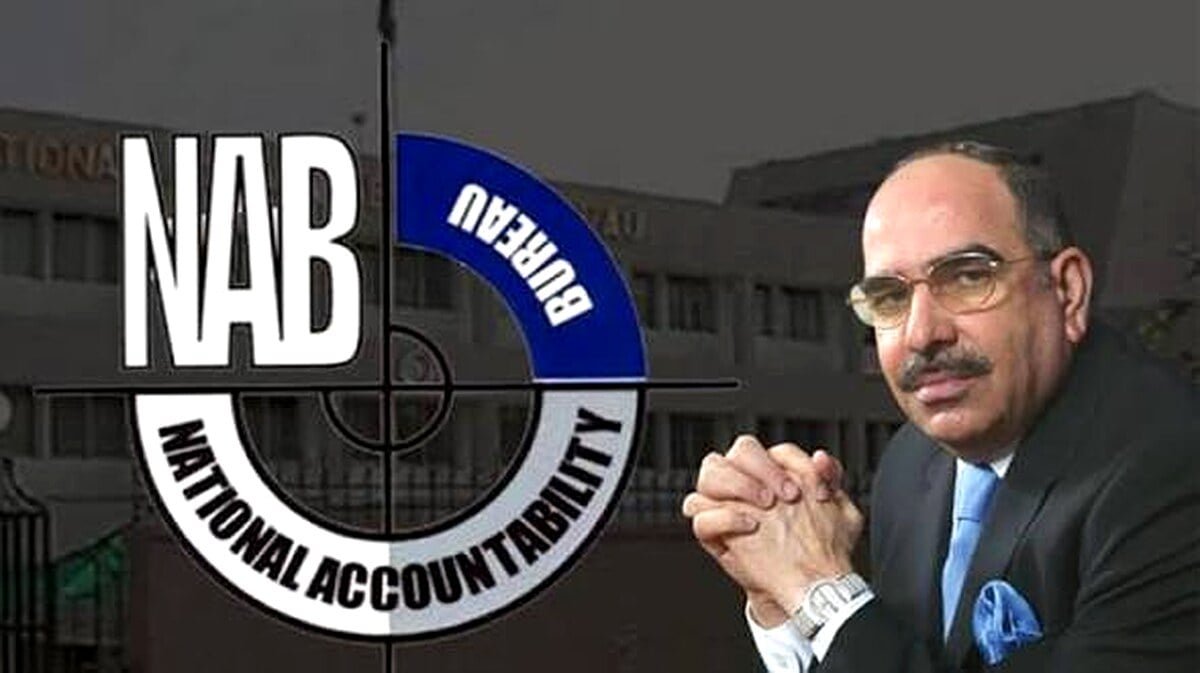




KARACHI: The National Accountability Bureau Karachi has frozen 67 acres of prime land belonging to Malik Riaz, including the “Ali Wala” haveli in Bahria Hills, along with a helipad and mini zoo.
NAB also took 1338 acres of land into custody across Bahria Greens and multiple precincts. The frozen properties have been declared as Sindh government land acquired through alleged irregularities.
This action forms part of a wider probe into the alleged misappropriation of 17,672 acres of state land valued at Rs708 billion. NAB has barred Bahria Town Karachi from any sale or transfer of the affected land.
DG NAB Karachi issued a formal order directing all relevant departments to prevent transfers to third parties. A reference numbered 1/2025 has been filed in the Accountability Court Karachi.
Affected precincts include 33, 34, 38 to 40, 42, and 61. Bahria Town 2 has separately seen 3150 acres frozen over allegations of unauthorised use of Forest Department land purchased through alleged fraud.
**Official Action Details** NAB Karachi stated that the land was acquired through deception and collusion with certain Sindh government officials. The development is located near the M-9 Motorway.
In a related operation in Nawab Town, NAB arrested three individuals, including two women, in a Rs4 crore fraud case.
The bureau has instructed concerned authorities to halt any further transactions involving the disputed properties. Multiple precincts of Bahria Town Karachi now fall under NAB’s direct custody.
**Scale of Alleged Irregularities** The total alleged misappropriation involves 17,672 acres of government land with an estimated market value of Rs708 billion. NAB claims systematic irregularities enabled large-scale conversion of state land for private housing projects.
Bahria Town 2’s 3150 acres were frozen on charges of encroaching upon and fraudulently acquiring Forest Department land. Officials described the transactions as involving fake documentation and abuse of authority.
The “Ali Wala” haveli on 67 acres includes luxury features such as a private helipad and mini zoo. This property has now been placed under attachment along with surrounding areas in Bahria Hills.
**Background Context** Bahria Town projects in Karachi have faced scrutiny over land acquisition practices for several years. The current NAB operation targets specific precincts and large parcels allegedly belonging to the Sindh government.
The M-9 Motorway corridor has seen rapid urban development, with multiple housing societies expanding in the vicinity. NAB’s probe focuses on alleged collusion between developers and certain provincial officials to bypass regulatory requirements.
**Impact and Reactions** The freeze order immediately halts all commercial activity, sales, and transfers in the affected areas. Potential buyers and investors holding agreements in precincts 33, 34, 38-40, 42, and 61 now face legal uncertainty.
Real estate market circles in Karachi have reacted with caution. Industry sources report slowed transactions in Bahria Town projects pending clarity on the NAB proceedings.
Legal experts note that the filing of Reference 1/2025 marks a formal escalation. The case will now proceed in the Accountability Court, where NAB must present evidence of corruption and misuse of authority.
**Strategic and Legal Outlook** The NAB action reflects renewed focus on high-value land scams in Sindh. Recovery of Rs708 billion worth of state land could significantly strengthen provincial resources if the bureau’s claims are upheld in court.
Bahria Town officials are expected to challenge the freezes through legal avenues. The outcome will likely set precedents for similar cases involving large-scale housing developments on disputed or state land.
Further investigations may expand to additional parcels and individuals named in the probe. NAB Karachi has indicated it will pursue all linked accounts and assets.
The coming weeks will see court hearings that could determine the future status of thousands of acres and affect thousands of investors. Islamabad and provincial authorities are monitoring the case closely due to its implications for governance and urban development policy across Sindh.