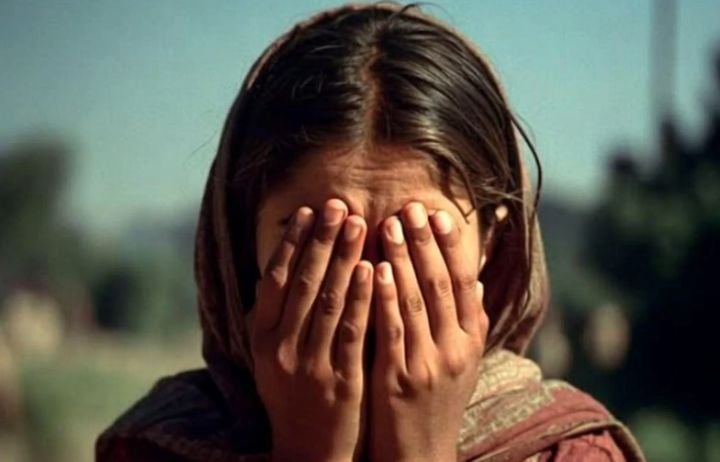




ISLAMABAD: Lahore police have arrested two suspects in the gang rape of a 19-year-old girl in a swift operation that highlights effective law enforcement.
The victim was targeted while she left her home in the Kahna area to purchase groceries.
The main accused lured the teenager and transported her to Dhulki village via Chongi Amar Sadhu.
In a haveli located in the village the accused and his accomplice committed the brutal assault.
The girl became seriously ill during the ordeal.
The primary suspect then abandoned her outside the house and escaped.
Police acting on credible human intelligence initiated a rapid investigation.
Within hours the two perpetrators were taken into custody.
This prompt response underscores the Punjab police commitment to combating violence against women.
According to official data Punjab witnessed a remarkable 79 percent decline in gang rape cases in 2025.
This improvement reflects enhanced policing strategies and community cooperation.
In 2024 the province reported 4,641 rape cases the highest nationally.
Lahore district alone accounted for hundreds of such incidents.
Yet proactive measures like intelligence-led operations are yielding results.
Regional media reports confirm the details of this Kahna incident.
The arrests demonstrate how human intelligence plays a pivotal role in swift justice.
Anti-rape crisis cells in Lahore provide critical support to survivors.
These facilities offer medical legal and psychological aid.
Nationwide gender-based violence remains a challenge.
However Punjab police are leading efforts to ensure safer environments.
The case has sent a strong message against such heinous crimes.
Authorities vow to prosecute the accused to the fullest extent.
Public safety initiatives continue to prioritize vulnerable groups.
Statistics from police records show increased reporting due to better trust.
This incident though tragic highlights police efficiency.
Similar cases in the past saw slower responses.
The current approach marks a significant shift.
Human intelligence networks are expanding across Punjab.
This has led to higher arrest rates in sensitive cases.
The 19-year-old victim is receiving necessary medical attention.
Her family has been assured full support from law enforcement.
Such operations deter potential offenders in the region.
Punjab police spokesperson emphasized zero tolerance for crimes against women.
Data indicates a drop in overall crime rates in 2025.
Gang rapes specifically fell by 79 percent year-on-year.
This achievement is attributed to modern investigative techniques.
Community vigilance also contributes to these successes.
The Kahna case is under thorough investigation.
Forensic evidence is being collected meticulously.
The accused will face charges under relevant penal codes.
Punjab government supports police in resource allocation.
This ensures timely action in remote areas like Dhulki village.
Women in Lahore and surrounding regions can feel more secure.
Police patrols have increased in high-risk zones.
Intelligence sharing with local informants proves effective.
This model can be replicated across other districts.
The incident occurred in a rural setting but response was urban-grade.
Havelis in villages are now under closer watch.
Law enforcement is enhancing capabilities continuously.
Training programs focus on gender-sensitive policing.
Regional reports authenticate the swift arrests.
The police action prevents further harm in the community.
Victim support systems are activated immediately.
This case reinforces public faith in the justice system.
Ongoing efforts aim to reduce such incidents to zero.
Punjab leads with innovative anti-crime strategies.
The arrests bring closure to the victim's family.
Society must unite against violence targeting women.
Police remain committed to protecting citizens' rights.
Data-driven policing is the future in Pakistan.