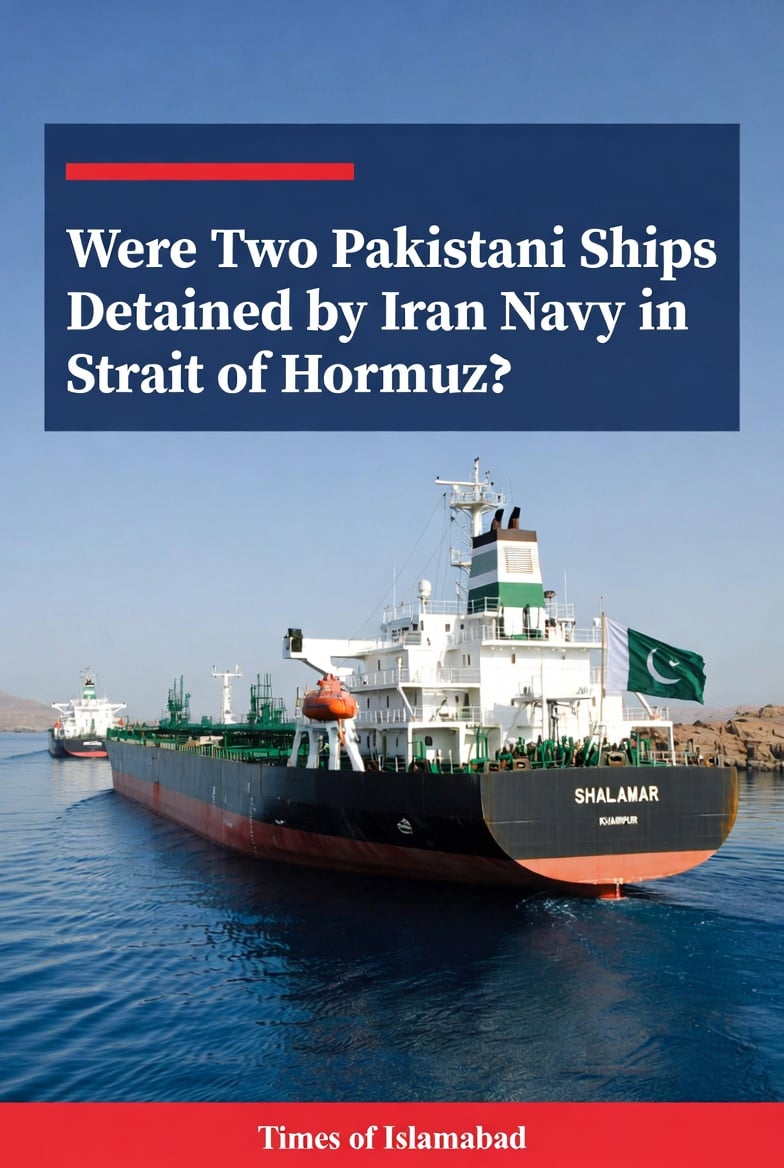




ISLAMABAD: Unverified rumours of Pakistani merchant vessels being intercepted by the Iranian Navy in the Strait of Hormuz have been categorically dismissed by official sources.
No Pakistani ships have faced detention in the vital waterway, according to the latest reports from the Pakistan National Shipping Corporation.
The required number of vessels authorised for transit through the Strait has now been fulfilled under a bilateral agreement.
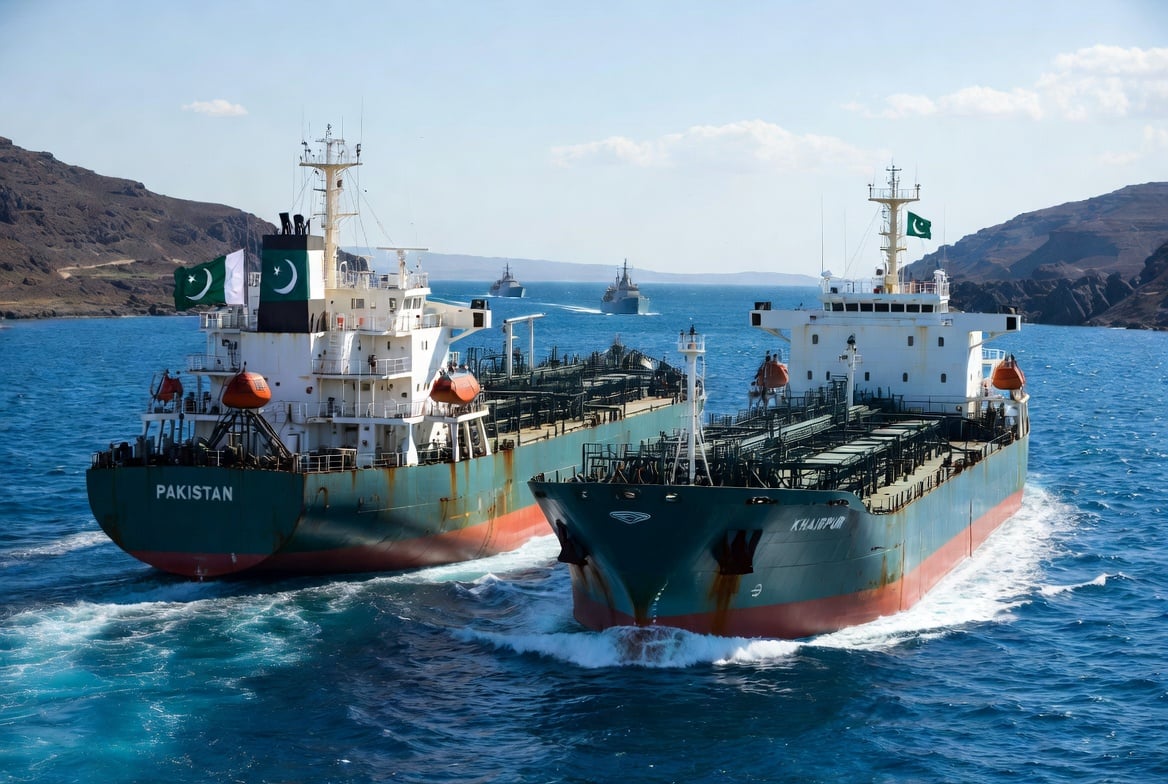
These ships will be dispatched as a coordinated convoy to guarantee secure passage amid persistent regional volatility.
PNSC tankers Shalamar and Khairpur are actively proceeding on their designated routes toward Kuwait and the United Arab Emirates.
This confirmation arrives against the backdrop of a landmark March 28 diplomatic understanding between Islamabad and Tehran.
Iran consented to permit 20 additional Pakistani-flagged vessels through the Strait, with two ships cleared daily.
The pact directly addresses Pakistan’s severe energy shortages triggered by disruptions in global shipping lanes during the US-Iran conflict.
The Strait of Hormuz handles roughly 20 percent of global oil supplies, equating to 17 to 21 million barrels daily under normal conditions.
Annual vessel traffic typically exceeds 30,000 ships, though recent hostilities slashed movements dramatically.
A single Pakistan-bound container ship, SELEN, was turned back on March 25 for lacking transit protocols, as stated by Iran’s Islamic Revolutionary Guard Corps.
Subsequent negotiations have since normalised operations for compliant Pakistani shipping.
Vessel tracking data confirms the crude oil tanker Shalamar, a 105,315-deadweight-ton vessel built in 2006, is currently navigating the Persian Gulf en route to Das in the UAE.
The oil products tanker Khairpur maintains steady progress toward Fujairah at approximately nine knots.
Pakistan depends on Gulf imports for more than 80 percent of its crude oil needs, rendering any Strait interruption potentially catastrophic for fuel prices and inflation.
International outlets including Al Jazeera and Forbes documented the 20-ship deal as a meaningful confidence-building step toward regional stability.
Regional Pakistani media reports align fully with the absence of any post-agreement detentions involving the national fleet.
The impending convoy deployment is projected to deliver millions of barrels of essential energy supplies.
Ceasefire discussions hosted in Islamabad between US and Iranian delegations underscore Pakistan’s critical mediating position in de-escalating maritime threats.
Experts highlight that such measures help restore traffic volumes, which have shown weekly increases since early April.
Over 150 commercial vessels transited the Strait between March 1 and 27 despite heightened risks, per Lloyd’s List Intelligence.
The Pakistan National Shipping Corporation operates a strategic fleet vital for safeguarding national trade interests under duress.
No independent international verification has supported claims of recent interceptions involving PNSC assets.
This official reassurance aims to calm markets and reinforce investor confidence in Pakistan’s energy supply chains.
Safe transit through the Strait symbolises the tangible success of quiet diplomacy between Islamabad and Tehran.
As global energy markets monitor developments closely, uninterrupted Pakistani shipping underscores resilience amid one of the most complex geopolitical crises in decades.