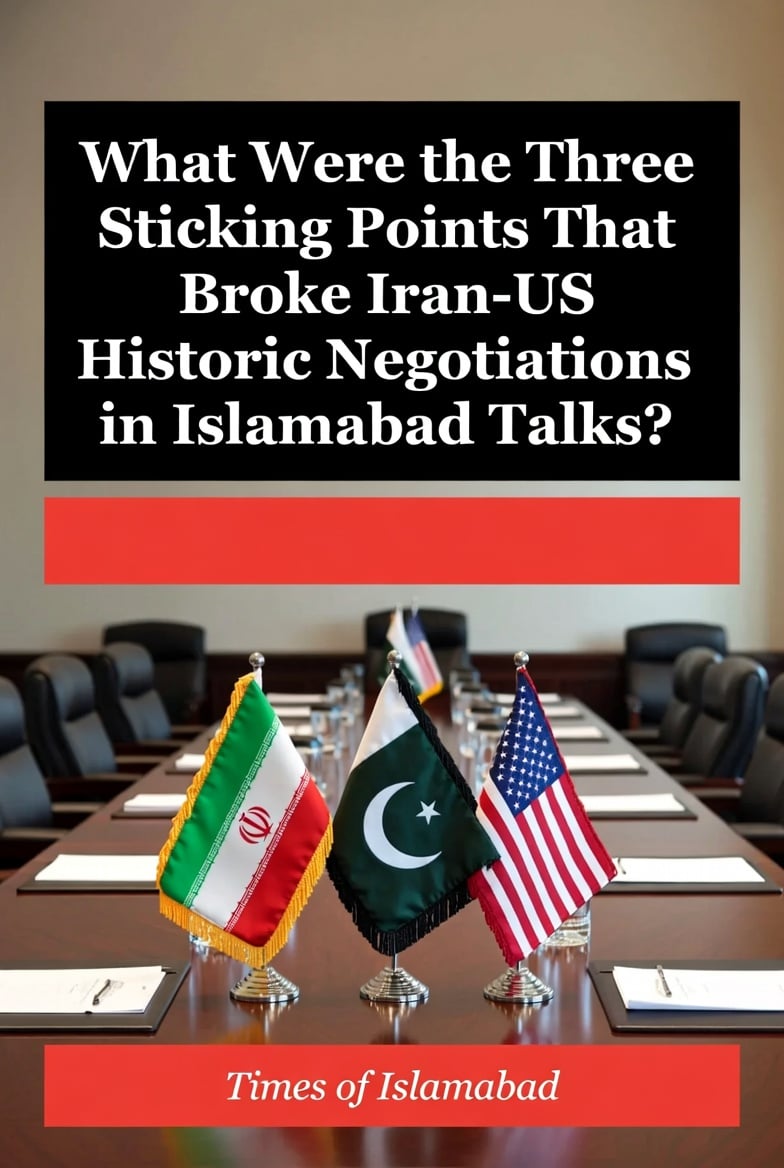




ISLAMABAD: The New York Times has exposed a critical deadlock in high-stakes nuclear negotiations involving Iran according to two Iranian sources with direct knowledge of the talks.
Three major points of contention remain unresolved threatening any final agreement.
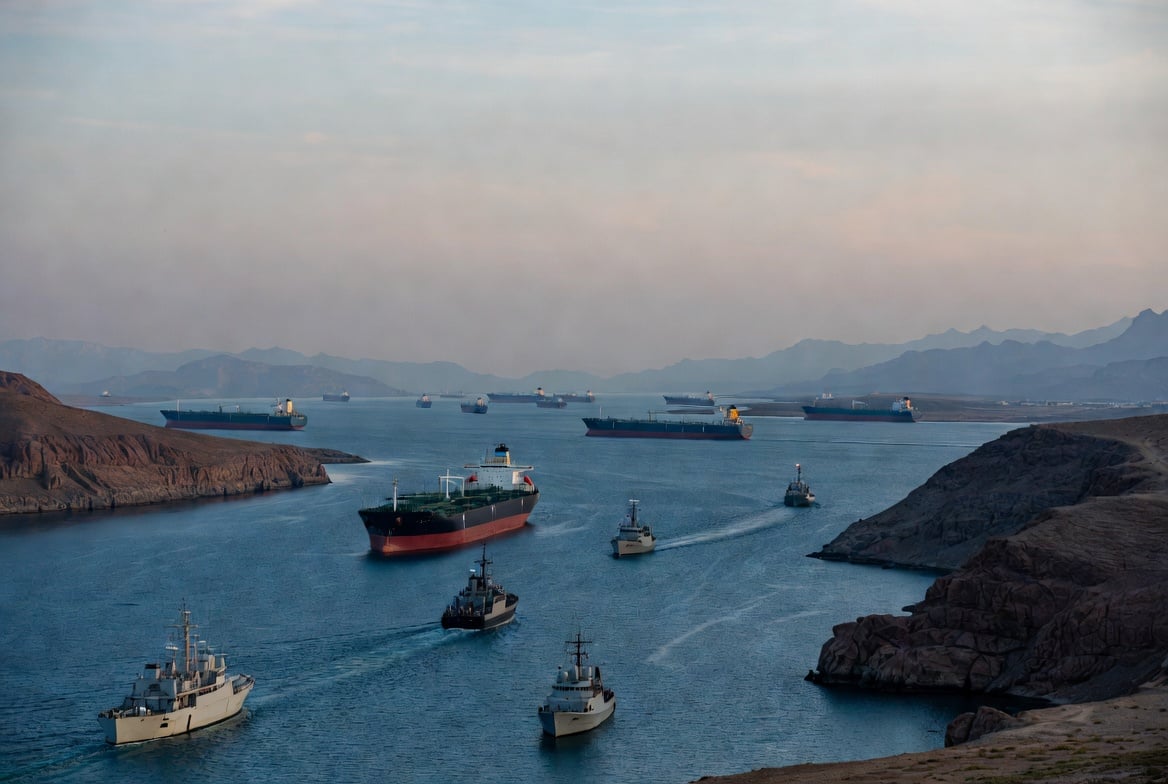
Iran has declared it will reopen the Strait of Hormuz only after a complete peace deal is reached.
This position gives Tehran significant leverage in the sensitive discussions.
The Strait of Hormuz ranks as the planet’s most vital oil chokepoint.
United States Energy Information Administration data shows roughly 21 million barrels of oil flow through it daily.
That volume equals nearly 20 percent of total global petroleum consumption.
Any prolonged closure risks immediate global energy chaos and price spikes exceeding 50 percent.
The second dispute concerns the fate of nearly 400 kilograms of highly enriched uranium held by Iran.
Iran tabled a counterproposal on the stockpile yet the two sides could not secure compromise the sources confirmed.
This stockpile sits perilously close to weapons-grade levels after years of accelerated enrichment.
Further processing of 400 kilograms could yield fissile material sufficient for multiple nuclear devices experts note.
The third flashpoint centers on Iran’s demand for release of approximately 27 billion dollars in frozen funds held abroad.
These assets remain locked under multilayered international sanctions.
Unfreezing the sum would deliver vital liquidity to Iran’s sanctions-hit economy and currency.
Negotiators have so far failed to bridge the financial gap.
These revelations arrive amid efforts to revive elements of the 2015 Joint Comprehensive Plan of Action.
That landmark accord collapsed after the United States withdrew in 2018 triggering Iran’s nuclear escalation.
The International Atomic Energy Agency has repeatedly flagged Iran’s reduced inspector access and rapid stockpile growth.
Pakistan monitors these talks with acute concern given its heavy reliance on Gulf oil routes.
The country imports nearly 90 percent of its crude requirements averaging 450,000 barrels daily.
Most shipments originate from Gulf suppliers and must transit the Strait of Hormuz.
Disruption would instantly inflate domestic fuel costs by 30 to 40 percent worsening inflation pressures.
Pakistan’s current account and debt servicing would face fresh strain under such energy shocks.
The long-stalled Iran-Pakistan gas pipeline project could suffer further setbacks.
That pipeline once operational would supply up to one billion cubic feet of natural gas daily easing chronic shortages.
Regional media across the Middle East and Pakistan have echoed the New York Times disclosures citing Iranian sources for authenticity.
Analysts warn the impasse raises the spectre of renewed Gulf tensions and possible military posturing.
Global oil markets have already registered volatility on similar threats in past years.
Iran views the three demands as non-negotiable for protecting sovereignty and economic survival.
The opposing parties insist on verifiable nuclear rollbacks and de-escalation steps.
Diplomatic circles in Islamabad see the outcome as pivotal for South and West Asian stability.
Failure to resolve the deadlock could reshape energy markets for the next decade.
Pakistan’s leadership continues quiet diplomacy to safeguard national energy and trade interests.
The coming days may determine whether compromise emerges or confrontation deepens.