



ISLAMABAD: Despite repeated formal requests, Israeli journalists and media teams have been categorically barred from entering Pakistan to cover the high-stakes US-Iran ceasefire talks now underway in the capital.
The exclusion comes as delegations from Washington and Tehran converge for what officials describe as make-or-break negotiations aimed at ending weeks of regional conflict.
Iran dispatched a 71-member delegation including Parliament Speaker Mohammad Bagher Ghalibaf and Foreign Minister Abbas Araghchi, who held initial consultations with Pakistani Prime Minister Shehbaz Sharif.
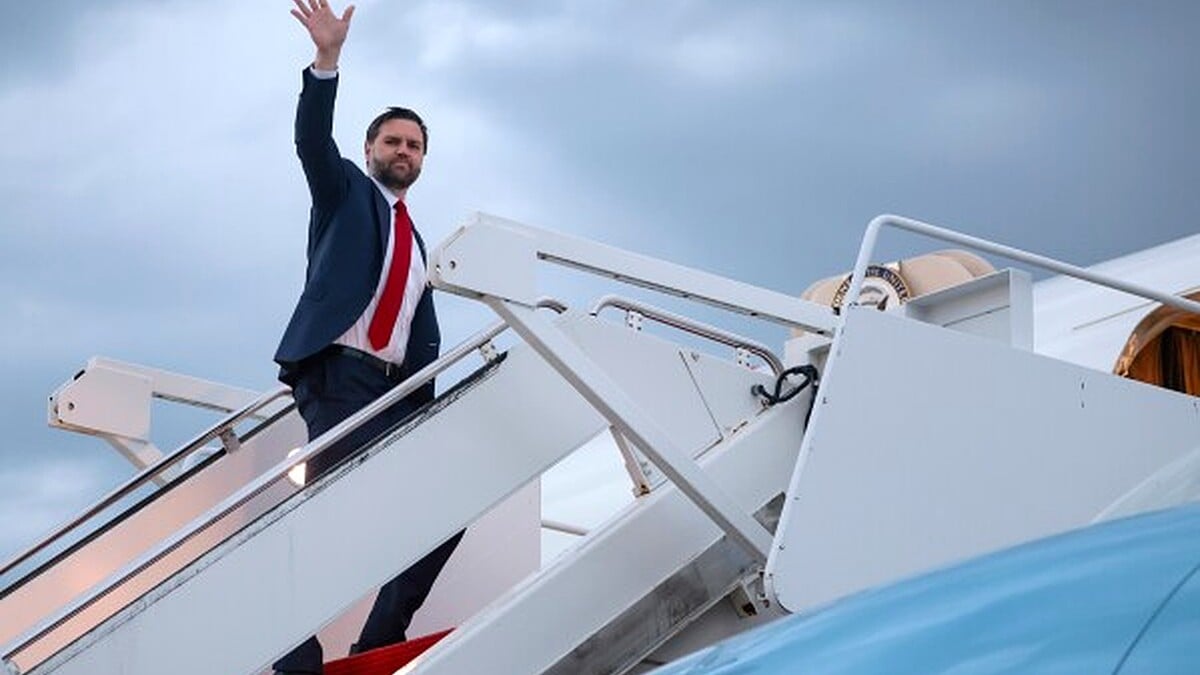
United States Vice President JD Vance led the American team, touching down amid tight security protocols across Islamabad.
Pakistan established a dedicated Media Facilitation Centre at the Jinnah Convention Centre equipped to support more than 200 international reporters with live feeds, briefing rooms and high-speed connectivity.
Visa-on-arrival facilities were extended exclusively to journalists and delegates from the participating nations of the United States and Iran.
Regional media outlets reported that several Israeli news organisations submitted formal entry applications weeks in advance yet received outright denials from Pakistani immigration authorities.
The decision reflects Islamabad’s longstanding foreign policy of non-recognition of Israel, a position maintained since voting against the Jewish state’s creation at the United Nations in 1947.
No diplomatic relations exist between Pakistan and Israel, and Israeli passport holders are generally barred from entry under national security guidelines.
Defence Minister Khawaja Asif recently reinforced this stance by publicly identifying Israel as an eternal adversary alongside other regional actors.
The move has triggered sharp debate in diplomatic circles, with Israeli officials openly questioning Pakistan’s credibility as an impartial host for the sensitive US-Iran dialogue.
Pakistani sources insist the policy upholds consistent principles and prevents any potential security complications during the high-profile summit.
The Islamabad Talks 2026 focus on critical issues including a Lebanon ceasefire, unfreezing of Iranian assets and secure navigation rights through the Strait of Hormuz.
Iran has conditioned full engagement on acceptance of these preconditions, while the United States seeks immediate de-escalation to avert wider spillover.
Pakistan’s role as mediator draws both international praise and criticism, given its strategic ties to Iran and longstanding partnership with Washington.
Prime Minister Shehbaz Sharif termed the summit decisive for future regional stability, highlighting Islamabad’s emergence as a key player in crisis diplomacy.
Analysts note that the barring of Israeli media limits on-ground coverage from one major stakeholder in the broader Middle East conflict.
Major global outlets including Al Jazeera, CNN and France24 maintain full access and have filed extensive reports from the facilitation centre.
Regional South Asian correspondents confirmed the visa denials through official channels, authenticating claims absent from many Western wire services.
Security measures around the venue include an expanded red zone stretching five kilometres from key government buildings.
Foreign journalists from permitted nations received comprehensive briefings on protocol and live translation services.
The absence of Israeli teams has been described by some observers as a deliberate signal of Pakistan’s unwavering support for Palestinian rights and alignment with Tehran on core issues.
As negotiations enter their most critical phase, global attention remains riveted on Islamabad and the potential breakthroughs or breakdowns ahead.
The outcome could reshape diplomatic alignments across the Middle East and test Pakistan’s balancing act between rival powers.
Pakistani authorities continue to emphasise that all arrangements prioritise the safety and efficiency of the core delegations while adhering strictly to established foreign policy red lines.
This latest development underscores the complex interplay of geopolitics, security and media access shaping one of the region’s most watched diplomatic events in recent years.