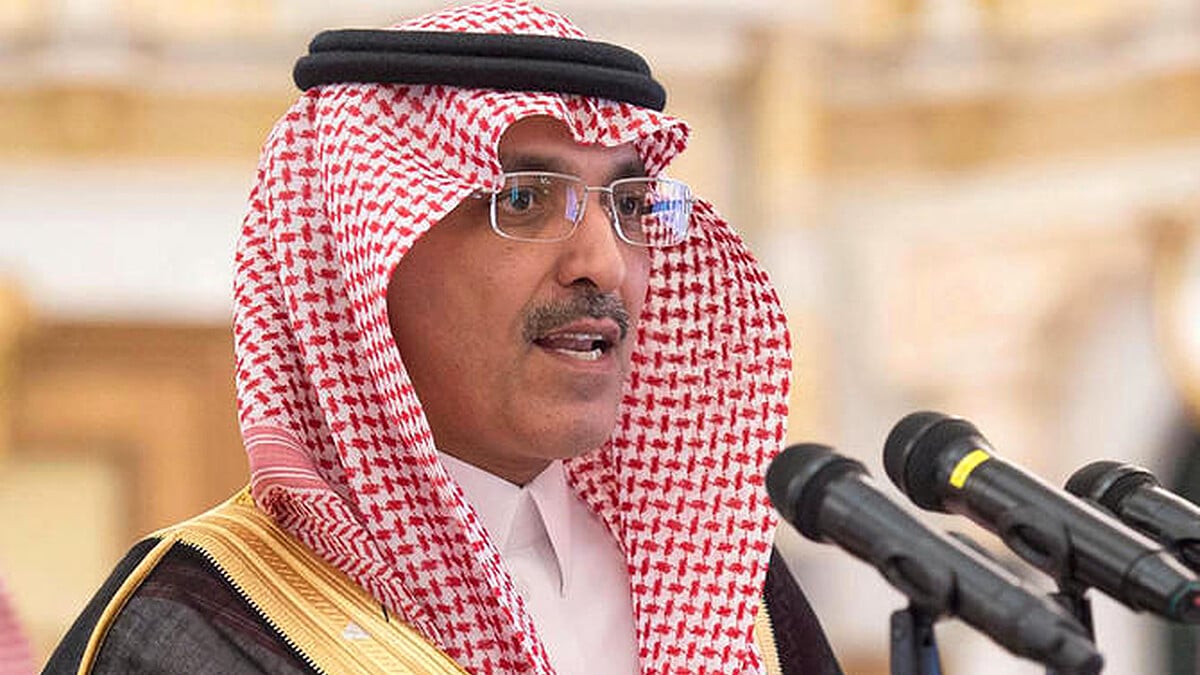




ISLAMABAD: Saudi Arabia’s Finance Minister Mohammed Al-Jadaan arrived in Islamabad on Thursday sparking intense speculation that the long-delayed $12 billion Gwadar oil refinery project may finally move forward.
Pakistani officials and regional media reports indicate the high-level visit could unlock the mega investment alongside other pending incentives from Riyadh.
The refinery plan first announced in 2019 during Crown Prince Mohammed bin Salman’s visit has remained stalled for years despite multiple memoranda of understanding.
Saudi Energy Minister Khalid al-Falih had inspected the Gwadar site in January 2019 confirming a $10-12 billion commitment for a state-of-the-art deep-conversion facility.
Feasibility studies by Saudi Aramco later highlighted logistical challenges leading to repeated delays under successive Pakistani governments.
Analysts now view Al-Jadaan’s presence as a potential game-changer amid Pakistan’s push for Gulf capital following a landmark defence pact signed last year.
The project envisions a 300,000 barrels per day refinery capable of processing Saudi crude and significantly reducing Pakistan’s reliance on imported refined products.
Pakistan currently imports over 80 percent of its petroleum needs with the annual oil import bill exceeding $12 billion in recent fiscal years.
Successful implementation could slash that bill by up to 30 percent while creating over 5,000 direct jobs and thousands more in ancillary sectors.
Gwadar’s strategic location at the mouth of the Arabian Sea positions the refinery as a key node in the China-Pakistan Economic Corridor where Beijing has already poured $65 billion into infrastructure.
Regional media outlets citing government sources claim the visit includes discussions on rolling over $5 billion in existing Saudi deposits held by the State Bank of Pakistan.
These deposits have provided critical balance-of-payments support helping Pakistan navigate IMF-mandated reforms and avoid default risks.
Additional incentives under review reportedly include deferred-payment oil supplies worth hundreds of millions annually and equity participation in mining projects such as Reko Diq.
Pakistan has pitched a portfolio of over $32 billion in potential projects to Saudi investors including rail links connecting mining sites to Gwadar port.
Finance Minister Muhammad Aurangzeb who received Al-Jadaan at the airport described the talks as focused on “strategic capital inflows” and privatisation of state-owned enterprises.
Prime Minister Shehbaz Sharif is expected to hold direct discussions with the Saudi delegation emphasising energy security and regional connectivity.
Experts note that global oil market volatility driven by ongoing geopolitical tensions has made the Gwadar refinery even more attractive for Riyadh’s Vision 2030 diversification goals.
A functional refinery in Gwadar could transform the port into a regional energy hub handling exports to Central Asia and beyond.
Pakistan’s refining capacity currently stands at approximately 450,000 barrels per day making the Saudi-backed addition potentially the largest single boost in the country’s history.
Insiders suggest that any breakthrough announcement could trigger immediate market confidence boosting the rupee and attracting further foreign direct investment.
The visit coincides with Pakistan’s efforts to secure fresh external financing as legacy rollovers from Saudi Arabia China and the UAE near maturity.
Bilateral trade between the two countries has grown steadily but remains far below potential with Saudi Arabia already Pakistan’s largest oil supplier.
Al-Jadaan’s delegation includes senior officials from Saudi investment authorities signalling Riyadh’s serious intent to move beyond pledges to execution.
Pakistani business chambers have urged swift resolution of regulatory hurdles to ensure the refinery project aligns with international environmental standards.
If materialised the investment would rank among the largest foreign commitments in Pakistan surpassing many CPEC phase-two energy projects.
Observers believe the timing is critical as Pakistan aims to graduate from IMF programmes through sustainable revenue streams and export-led growth.
The Gwadar refinery proposal also includes a petrochemical complex that could produce plastics fertilisers and other high-value derivatives for domestic and export markets.
Such downstream industries could add another $3-5 billion in annual economic output according to preliminary studies.
Defence cooperation between Pakistan and Saudi Arabia has reached new heights following last year’s pact paving the way for deeper economic integration.
Al-Jadaan previously met his Pakistani counterpart on the sidelines of international forums including the World Economic Forum in Davos earlier this year.
Those discussions laid the groundwork for the current visit focusing on transparency efficiency and mutually beneficial partnerships.
Regional media reports emphasise that any agreement would include guarantees for crude supply tax holidays and dividend repatriation to attract Saudi Aramco participation.
The development would also strengthen Pakistan’s position within the Organisation of Islamic Cooperation by showcasing tangible economic solidarity.
As talks continue speculation is rife that a joint statement could be issued within days outlining the next steps for the refinery.
The potential revival comes at a moment when Pakistan’s economy has shown resilience with foreign exchange reserves stabilising above $10 billion.
Yet sustained growth requires mega investments like the Gwadar project to create jobs and reduce import dependence.
Saudi Arabia has already extended over $10 billion in financial support to Pakistan in the past decade through deposits and oil facilities.
A successful outcome from Al-Jadaan’s visit could mark the beginning of a new chapter in bilateral relations turning historical friendship into strategic economic partnership.