



ISLAMABAD: Israeli Prime Minister Benjamin Netanyahu has once again rejected ceasefire terms in Lebanon demanded by Iran in a move that has sent shockwaves through fragile regional diplomacy.
The decision directly challenges the two-week US-Iran truce announced on April 8 2026 and brokered by Pakistan.
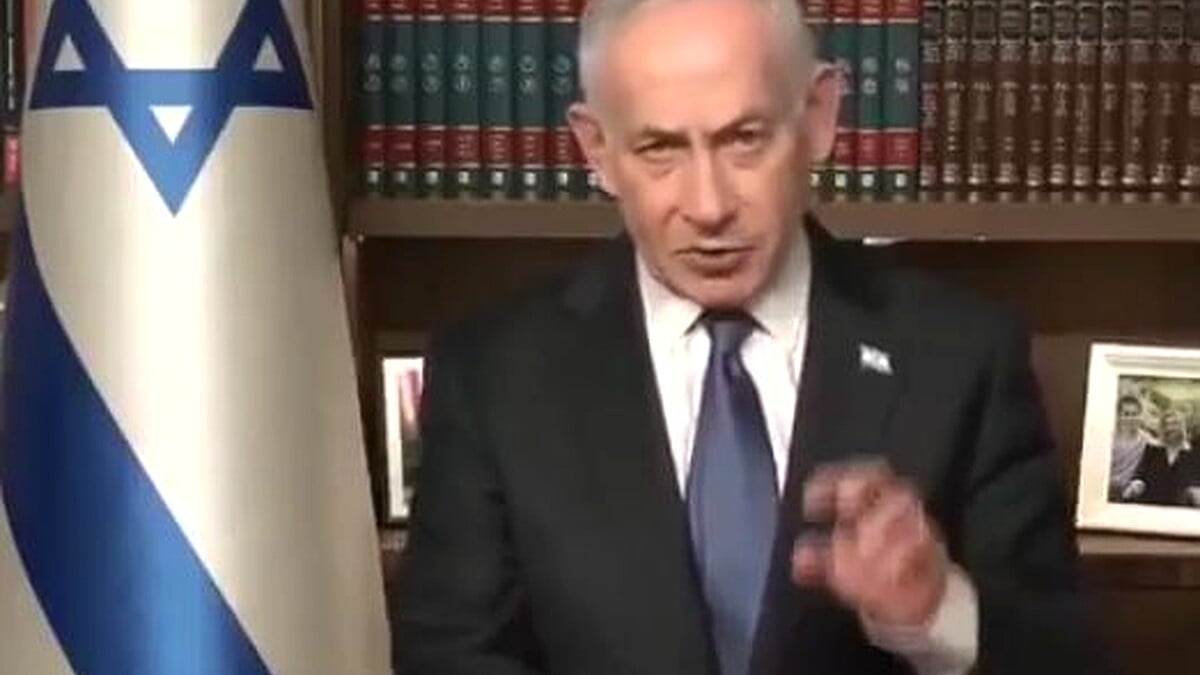
Netanyahu stated unequivocally that there is no ceasefire in Lebanon and Israel will continue striking Hezbollah with full force until northern security is restored.
This stance comes just hours after Pakistani Prime Minister Shehbaz Sharif declared the truce applied everywhere including Lebanon.
Iran had insisted on the inclusion of Lebanon as part of its 10-point proposal for the deal.
Within minutes of the announcement Israeli forces unleashed one of the heaviest assaults yet with 50 jets dropping 160 bombs across Lebanon.
The barrage lasted just 10 minutes yet killed more than 250 people according to Lebanese authorities and international monitors.
Strikes targeted southern cities including Saida and even medical convoys heightening fears of escalation.
Netanyahu's office welcomed the US suspension of attacks on Iran but made clear the truce excluded operations against Hezbollah.
The group has been locked in conflict with Israel since March 2 2026 after firing missiles in solidarity with Iran.
That fighting followed more than 10 000 reported violations of a November 2024 ceasefire.
Pakistan which mediated the US-Iran pause invited delegations to Islamabad for talks starting today April 10.
Iranian officials arrived expecting the Lebanon component to be honoured under the agreement.
US Vice President JD Vance however echoed Netanyahu saying the ceasefire never included Lebanon or Hezbollah.
The contradiction has created deep confusion and threatens to derail the high-stakes negotiations in the Pakistani capital.
Iranian Foreign Minister Abbas Araghchi warned that Washington must choose between genuine ceasefire or continued war through Israel.
Pakistani diplomats are now scrambling to keep both sides at the table amid the fresh violence.
Netanyahu simultaneously authorised direct negotiations with the Lebanese government focusing on Hezbollah disarmament.
Those talks he said would proceed without any immediate truce and under continued military pressure.
Lebanese officials responded firmly that no negotiations can occur under fire from Israeli jets.
The developments have raised oil prices and rattled global markets already strained by five weeks of US-Iran hostilities.
Analysts note that the Lebanon exclusion could unravel the entire fragile framework Pakistan helped construct.
Islamabad had declared public holidays and tightened security to host the US and Iranian teams.
Prime Minister Sharif had praised the truce as a victory for diplomacy involving China Saudi Arabia and others.
Yet Netanyahu's rejection has cast doubt on whether the Islamabad talks can produce a lasting accord.
International media including Al Jazeera and the Los Angeles Times reported the massive Lebanese casualties and the explicit Israeli position.
Regional outlets highlighted Pakistan's pivotal mediation role now facing its first major test.
Iran views the Lebanon strikes as a direct violation of the spirit of the two-week pause.
US officials insist the original deal never extended to Hezbollah operations.
The split has left mediators in Islamabad working overtime to prevent a complete collapse.
As delegations convene today the world watches whether Netanyahu's firm line will force a rethink of Iran's terms.
Or whether it will simply prolong the cycle of violence across Lebanon and beyond.
The outcome could shape Middle East stability for years with thousands already displaced by the latest strikes.
Pakistan remains committed to bridging the gap but the path to peace has grown narrower overnight.