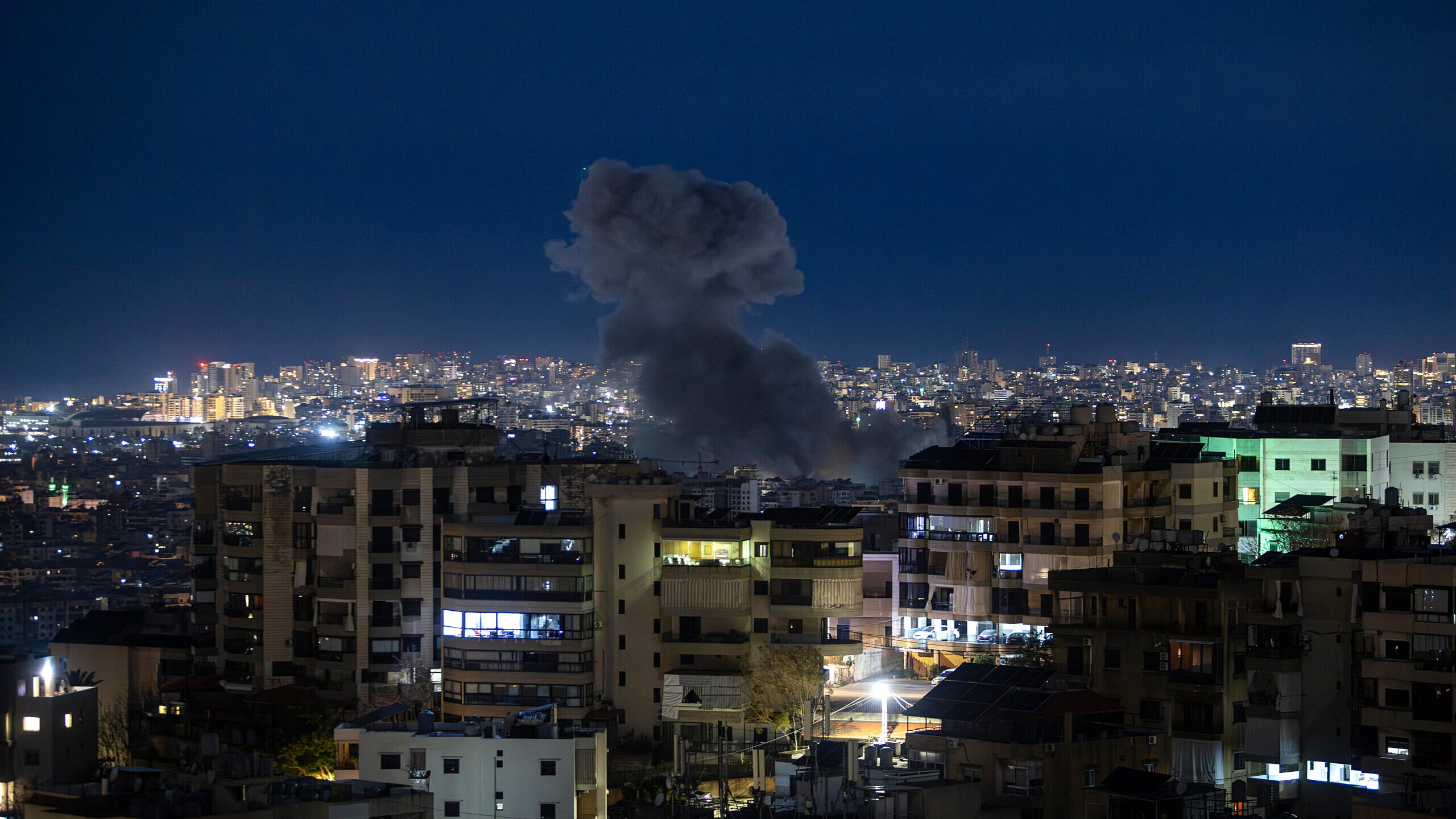




Kuwait reports intense drone attacks on vital infrastructure as US-Iran negotiations loom in Pakistan.
ISLAMABAD: Kuwait’s armed forces air defences are actively intercepting a wave of hostile drones that penetrated the country’s airspace targeting vital facilities just hours before crucial US-Iran negotiations begin in Islamabad.
Iran has officially denied any such attack on Kuwait or any other Gulf State since the Ceasefire was implemented.
The Kuwait Army Statement No 58 issued by Official Spokesman Colonel Saud Abdulaziz Al-Otaibi confirmed the ongoing operation against drones launched since early morning on April 8 2026.
According to the statement air defence units engaged multiple unmanned aerial vehicles some of which struck oil facilities power stations and water desalination plants causing major infrastructure damage.
Regional media reports detailed that at least 28 drones were intercepted while several breached defences leading to fires and disruptions at key sites including the Mina al-Ahmadi refinery and Shuwaikh oil sector complex.
Kuwait’s Ministry of Electricity Water and Renewable Energy reported significant material damage to two power and water desalination plants resulting in the shutdown of two electricity generating units.
Around 90 percent of Kuwait’s drinking water comes from such desalination facilities raising immediate concerns over supply stability in the Gulf state.
Kuwait Petroleum Corporation confirmed attacks on its facilities with fires breaking out at several oil installations though no human casualties were reported in initial assessments.
The timing of the assault has raised alarm as it coincides with a fragile two-week ceasefire between the United States and Iran brokered through Pakistani mediation.
Pakistan Prime Minister Shehbaz Sharif extended invitations for direct talks in Islamabad on April 10 2026 with delegations from both Washington and Tehran expected to arrive.
Iran has proposed negotiations based on its 10-point plan that includes continued control over the Strait of Hormuz lifting of all sanctions and withdrawal of US combat forces from the region.
The United States previously presented a 15-point counter proposal focusing on curbing Iran’s nuclear enrichment ballistic missile programme and support for regional proxies.
International coverage from Reuters and Al Jazeera highlighted the escalation despite the ceasefire announcement with Kuwait and the UAE also reporting similar drone and missile activity.
Kuwaiti officials described the attacks as targeting civilian infrastructure in the south of the country including government complexes and energy hubs.
Damage assessments indicate severe material losses at the Shuwaikh Oil Sector Complex which houses the Oil Ministry headquarters with fires reported at fuel storage areas.
In separate incidents a drone reportedly struck near Ali Al Salem Air Base injuring 15 US service members according to some US media accounts though Kuwaiti statements focused primarily on national facilities.
Iran has denied responsibility for the latest strikes on Kuwaiti desalination and power plants blaming possible provocations by other actors in the region.
Tehran’s military command described such accusations as attempts to undermine the ceasefire and peace efforts facilitated by Pakistan.
The attacks come amid broader regional tensions following earlier Iranian responses to strikes on its interests with over 283 drones and 97 ballistic missiles reportedly involved in related operations across the Gulf.
Kuwait’s strategic importance as a major oil producer and host to US military assets has placed it at the centre of the escalating conflict.
Global oil markets reacted with volatility as disruptions to Kuwaiti facilities threatened supply stability from the world’s key energy corridor.
Pakistan’s role in hosting the talks has drawn praise from both sides with Iranian President Masoud Pezeshkian appreciating Islamabad’s mediation efforts.
Analysts note that any breakdown in the ceasefire could derail the Islamabad negotiations scheduled to address core disputes including nuclear issues and regional security.
Kuwaiti authorities have not released full casualty figures beyond confirming no immediate deaths from the drone wave though infrastructure repair costs could run into hundreds of millions of dollars.
The incident underscores the fragility of the truce with air defence systems across the Gulf remaining on high alert.
Further updates from the Kuwait Ministry of Defence are expected as operations continue to neutralise remaining threats.
Regional observers warn that repeated attacks on Gulf infrastructure could complicate diplomatic efforts in Pakistan aimed at achieving a lasting agreement.
The developments have heightened security concerns in Islamabad where preparations for high-level delegations are underway under tight protocols.
Pakistan has positioned itself as a neutral facilitator stressing the need for de-escalation to prevent wider conflict in the Middle East.
As talks approach the drone incident in Kuwait adds urgency to the diplomatic process with both sides urged to exercise restraint.
The outcome of the Islamabad negotiations could shape energy security and geopolitical stability for years to come.