



Taliban borders minister threatens Pakistan with US Russia fate over recent strikes
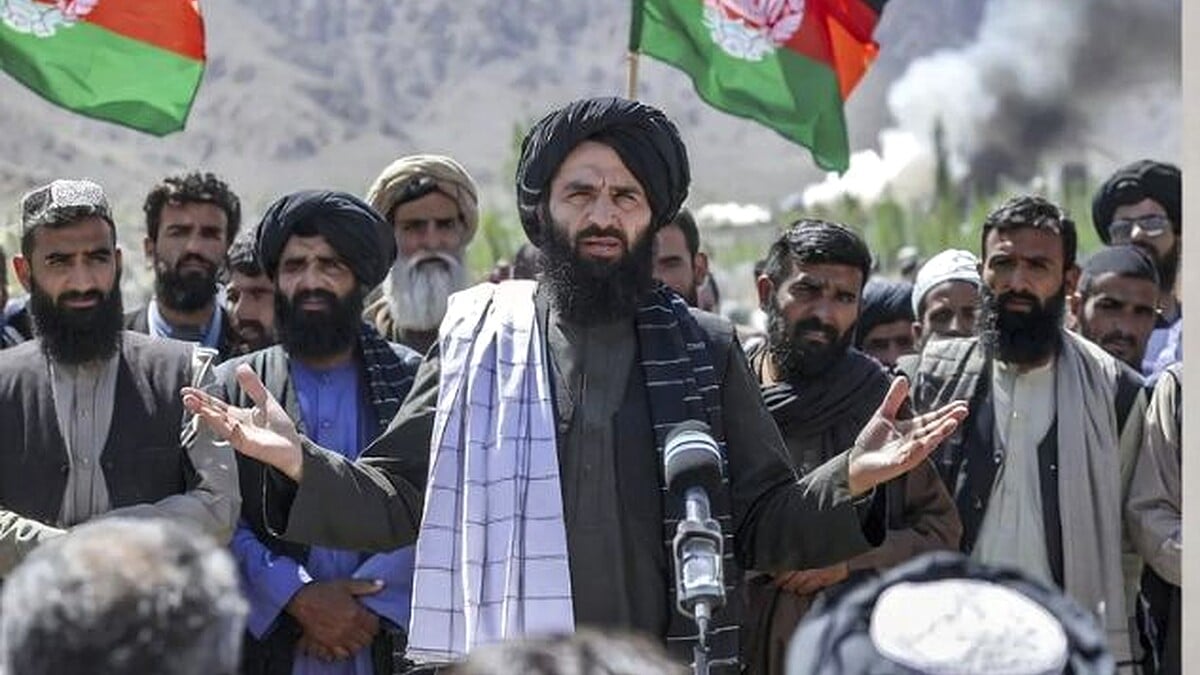
ISLAMABAD: In a dramatic escalation of tensions, Afghanistan’s Minister for Borders and Tribal Affairs Mullah Noorullah Noori has directly threatened Pakistan with a fate similar to that of the United States and Russia over its alleged invasion plans.
Noori described Islamabad’s recent cross-border strikes as “foreign” ambitions that would ultimately doom Pakistani forces, warning that Punjab province should brace for the same humiliating defeat suffered by past superpowers.
The remarks, delivered during a high-profile visit to Nangarhar province on April 3, came as Pakistani airstrikes continue to pound Afghan border regions and even urban targets including Kabul.
Regional media outlets including Afghanistan International reported Noori praising public support against Pakistani aggression and declaring that ordinary Afghans across the country now form “our army” in the face of these incursions.
He explicitly cautioned that mounting pressure from Islamabad could prompt expanded responses reaching deep into Pakistani heartlands such as Attock and Punjab.
Pakistan has conducted multiple intelligence-based airstrikes since late February 2026, claiming to have eliminated over 80 TTP militants in operations targeting hideouts in Nangarhar, Paktika and Khost provinces.
Afghan officials counter that the strikes killed at least 18 civilians including women and children in a single incident, with total civilian casualties exceeding 40 according to local sources.
The conflict intensified after a February suicide bombing in Islamabad killed 31 people and injured 170, an attack Pakistan attributes to TTP fighters operating from Afghan soil.
Since the Taliban’s return to power in 2021, TTP attacks inside Pakistan have surged dramatically, with Pakistani military data showing over 500 security personnel killed in 2025 alone amid renewed militancy.
Noori’s warning draws direct parallels to history: the Soviet Union lost more than 15,000 troops and expended billions during its 1979-1989 occupation before withdrawing in defeat after a decade of fierce Afghan resistance.
The United States poured over 2.3 trillion dollars into its 2001-2021 campaign, suffering 2,400 American military deaths and countless Afghan casualties before its chaotic exit in August 2021 left the Taliban in control.
Pakistan, once a key backer of the mujahideen against those foreign powers, now finds itself launching incursions into the same territory it once used as a strategic sanctuary.
The disputed Durand Line, stretching 2,600 kilometres, has become the world’s longest active conflict zone, displacing thousands and halting cross-border trade worth hundreds of millions annually.
International coverage from outlets such as BBC, Al Jazeera and the Council on Foreign Relations has detailed the airstrikes and retaliatory clashes, yet regional Afghan reports amplify Noori’s specific threat referencing Punjab and superpower fates.
Taliban forces claim to have inflicted heavy losses on Pakistani positions, with Afghan military sources reporting 13 Pakistani soldiers killed and multiple outposts captured in late February ground operations.
Pakistan’s defence ministry maintains its actions remain limited and targeted, aimed solely at dismantling TTP sanctuaries estimated to house between 6,000 and 8,000 fighters.
Analysts note the irony: a nuclear-armed Pakistan risks repeating the quagmire that exhausted two superpowers in the “graveyard of empires”.
Russian diplomats have publicly urged immediate de-escalation through dialogue to avert wider regional fallout involving China, Iran and Central Asian states.
Noori’s address underscores the Taliban’s firm rejection of any external interference, asserting full Afghan sovereignty over its borders and tribal affairs.
With clashes showing no signs of abating, the minister’s words signal a dangerous new phase where former allies now confront each other directly across the volatile frontier.
Punjab, home to over 110 million Pakistanis and the country’s political and economic core, could face unprecedented spillover if threats materialise into sustained operations.
The statement has sparked intense debate in both nations, with observers warning that miscalculation could transform border skirmishes into a protracted and costly conflict.