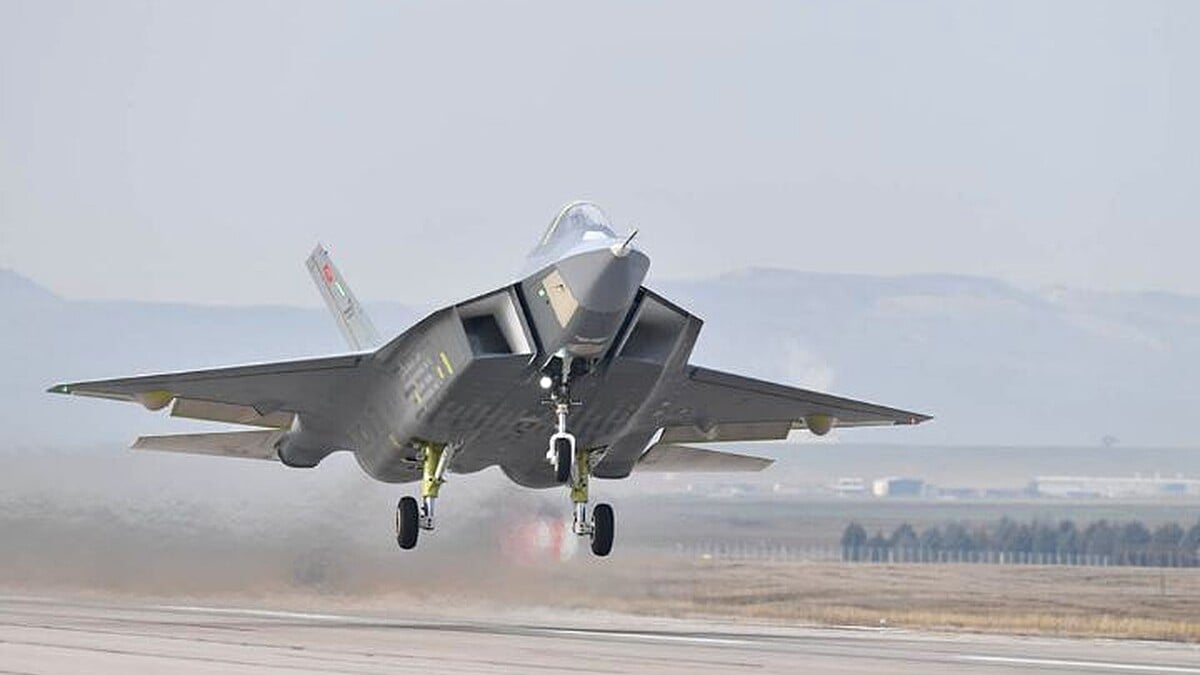




Pakistan strengthens air power with accelerated Turkish fifth-generation fighter collaboration.
ISLAMABAD: TUSAŞ CEO Mehmet Demiroğlu has announced accelerated timelines for the KAAN fighter jet programme, bringing first deliveries forward by two years and opening new opportunities for partner nations including Pakistan.
The development marks a significant boost for the Pakistan Air Force as it pursues fifth-generation capabilities through deep defence ties with Turkey. Demiroğlu stated that KAAN aircraft will appear in the skies within a few months while four to six prototypes undergo intensive testing over the next two years. Mass production efforts continue in parallel, with initial deliveries targeted for the end of 2028 or first quarter of 2029.
This timeline represents a notable advancement from earlier projections that placed full-scale production start around 2030. Industry observers note the compressed schedule reflects rapid progress in systems integration, structural testing and supply chain maturation. Prototypes P1 and P2 are entering rigorous flight regimes including high-altitude, supersonic and high-G manoeuvres.
Pakistan’s involvement in the KAAN project dates back several years with nearly 200 Pakistani engineers contributing to development. Bilateral agreements include plans for a joint production facility in Pakistan, positioning the country as a key manufacturing partner rather than solely an end-user. Regional media reports from Turkish and Pakistani sources confirm ongoing cooperation discussions at high-level forums such as the Pak-Turkish Industrial Expo.
The KAAN, also known as TF-X or MMU, is a twin-engine stealth fighter designed for air superiority with advanced low-observable features, internal weapon bays and indigenous sensors. It aims to place Turkey among an elite group of nations capable of producing fifth-generation combat aircraft. Demiroğlu has highlighted that only four countries currently possess this capability, underscoring the strategic value of the programme.
For the Pakistan Air Force, participation offers access to cutting-edge technology while supporting local aerospace industry growth. Analysts suggest early batches could equip PAF squadrons with modern platforms to maintain regional deterrence and interoperability with allied forces. The joint factory initiative is expected to facilitate technology transfer, component manufacturing and eventual licensed production within Pakistan.
Testing milestones include ground verification followed by multi-aircraft flight campaigns. TUSAŞ plans structured evaluation with increasing numbers of prototypes to validate performance parameters before serial production ramps up. Initial operational capability for Turkish units is projected in the late 2020s, with export pathways opening for partners.
Pakistan’s strategic partnership extends beyond procurement. Collaborative design input, engineering expertise and operational feedback from PAF pilots could refine the platform to regional requirements. This model mirrors successful joint ventures like the JF-17 Thunder programme, which strengthened Pakistan’s indigenous manufacturing base.
International interest in KAAN has grown with framework agreements reported for other nations. The programme’s export potential is estimated in tens of billions of dollars, driven by demand for affordable yet capable fifth-generation options outside traditional Western suppliers.
Defence experts view the accelerated timeline as evidence of Turkey’s maturing aerospace ecosystem. Indigenous engine development, including the TF35000 target for 2032, complements airframe progress. Sensor suites from national firms enhance sovereignty in critical systems.
For Pakistan, the KAAN represents more than a new aircraft. It signals deepening defence-industrial self-reliance and stronger bilateral bonds with Turkey. PAF modernisation efforts continue alongside legacy fleet upgrades, ensuring a balanced transition to next-generation assets.
As prototypes prepare for expanded flight testing, anticipation builds around first official flights expected in coming months. The programme’s momentum suggests steady advancement toward operational squadrons by decade’s end.
Defence analysts project that successful deliveries could transform air power dynamics in South and Central Asia. With Pakistan integrated into production, long-term sustainment and upgrade pathways become more secure and cost-effective.
The development arrives at a time of evolving regional security challenges, making timely acquisition of advanced platforms particularly valuable for maintaining strategic balance.