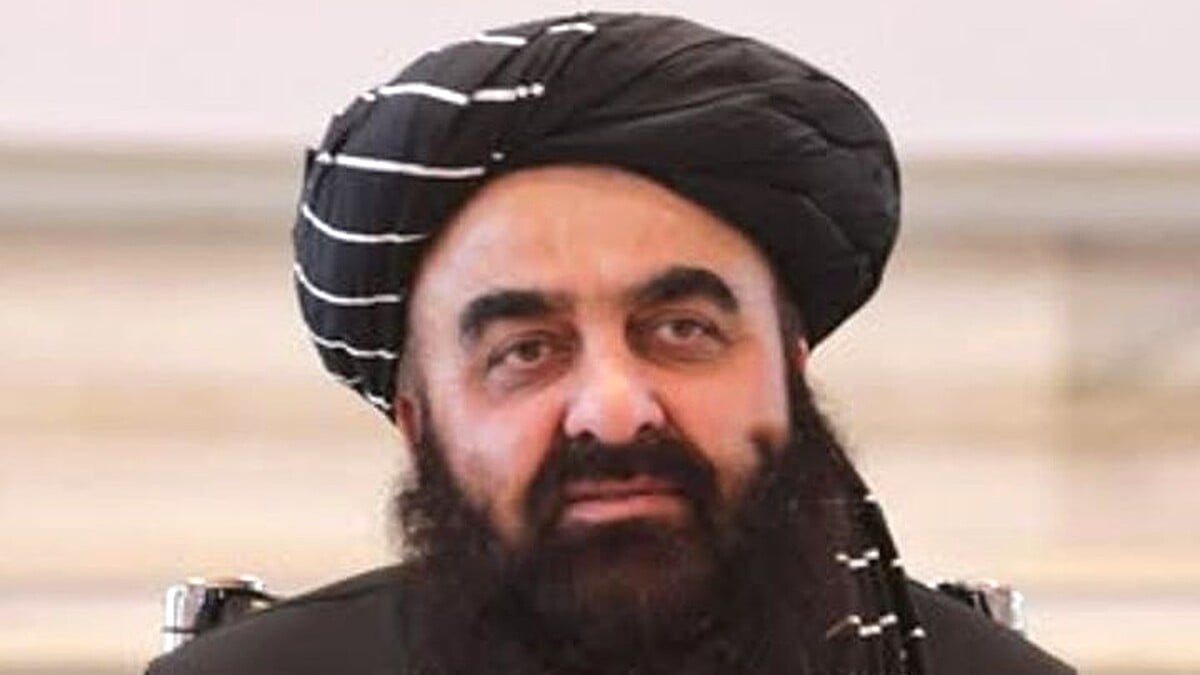




ISLAMABAD: Taliban Foreign Minister Amir Khan Muttaqi has declared that the Islamic Emirate will not allow any groups to use Afghan soil to threaten neighbouring countries, stressing a firm commitment to regional security.
This assurance comes at a time of acute cross-border tensions that have already claimed hundreds of lives and slashed bilateral trade by nearly 40 percent.
Muttaqi’s pledge echoes earlier statements delivered during high-level engagements with India, China and regional partners throughout 2025.
Data from the Pakistan Institute for Conflict and Security Studies reveals that terrorism-related fatalities in Pakistan surged 73 percent in 2025 compared with 2024, marking the highest level in over a decade.
The Tehrik-i-Taliban Pakistan has emerged as the world’s fastest-growing terrorist group, recording a 90 percent increase in attributed deaths according to the Global Terrorism Index.
Pakistani security officials report that more than 250 militants linked to Afghan-based networks were neutralised in border operations last year alone.
Bilateral trade between Pakistan and Afghanistan plummeted from 2.46 billion US dollars in 2024 to 1.77 billion dollars in 2025, a 40 percent drop triggered by repeated border closures.
Afghan exports to Pakistan fell sharply from 817 million dollars to 505 million dollars while imports contracted from 1.644 billion to 1.261 billion dollars.
Pakistan loses an average of 177 million dollars in export revenue every month when Torkham and Chaman crossings remain shut.
Despite repeated verbal commitments, intelligence assessments indicate persistent cross-border movement of TTP fighters, with over 470 violent events recorded in 2024 that continued unabated into 2025.
Muttaqi delivered the same message in New Delhi in October 2025, assuring Indian officials that Afghan territory would not be used against any country.
During talks with Chinese Foreign Minister Wang Yi, he emphasised that bilateral trade had reached one billion dollars and described ties as progressing steadily.
The European Union has publicly urged the Taliban to prevent militant groups from using Afghanistan as a launch pad, citing rising regional instability.
Iran has offered mediation between Kabul and Islamabad, expressing readiness to facilitate lasting peace amid spillover threats.
Regional media outlets, including Pakistani and Afghan sources, have authenticated these assurances while documenting continued militant activity along the 2,600-kilometre Durand Line.
In December 2025, Afghan religious scholars passed a resolution barring the use of Afghan soil for attacks abroad, which Muttaqi described as obligatory for all Muslims.
He warned that any violator would be treated as a criminal under Islamic Emirate law.
Yet Pakistani forces conducted airstrikes inside Afghan provinces in October 2025, claiming to have killed senior TTP leaders and destroyed multiple hideouts.
The strikes followed deadly cross-border attacks that left dozens of Pakistani soldiers and civilians dead.
Analysts note that effective enforcement of Muttaqi’s pledge could reverse economic losses estimated at hundreds of millions of dollars annually for both nations.
Afghanistan’s total trade stood at 13.9 billion dollars in 2025, but over-reliance on the Pakistani route remains a vulnerability.
China has pushed trilateral security dialogues involving Pakistan and Afghanistan to secure Belt and Road investments.
Failure to deliver verifiable action risks further diplomatic isolation and prolonged border closures.
Muttaqi’s latest statement signals a potential opening for dialogue, yet scepticism persists among security officials in Islamabad.
Sustained cooperation and intelligence sharing will be required to translate these assurances into measurable reductions in militant activity.
Regional stability hinges on Kabul’s ability to back words with concrete counter-terrorism measures.
The coming months will test whether the Taliban’s commitment translates into lasting peace along Afghanistan’s borders.