



ISLAMABAD: China has announced that Afghanistan and Pakistan have agreed to pursue a comprehensive resolution to the tensions that erupted last October during peace talks held in Urumqi.
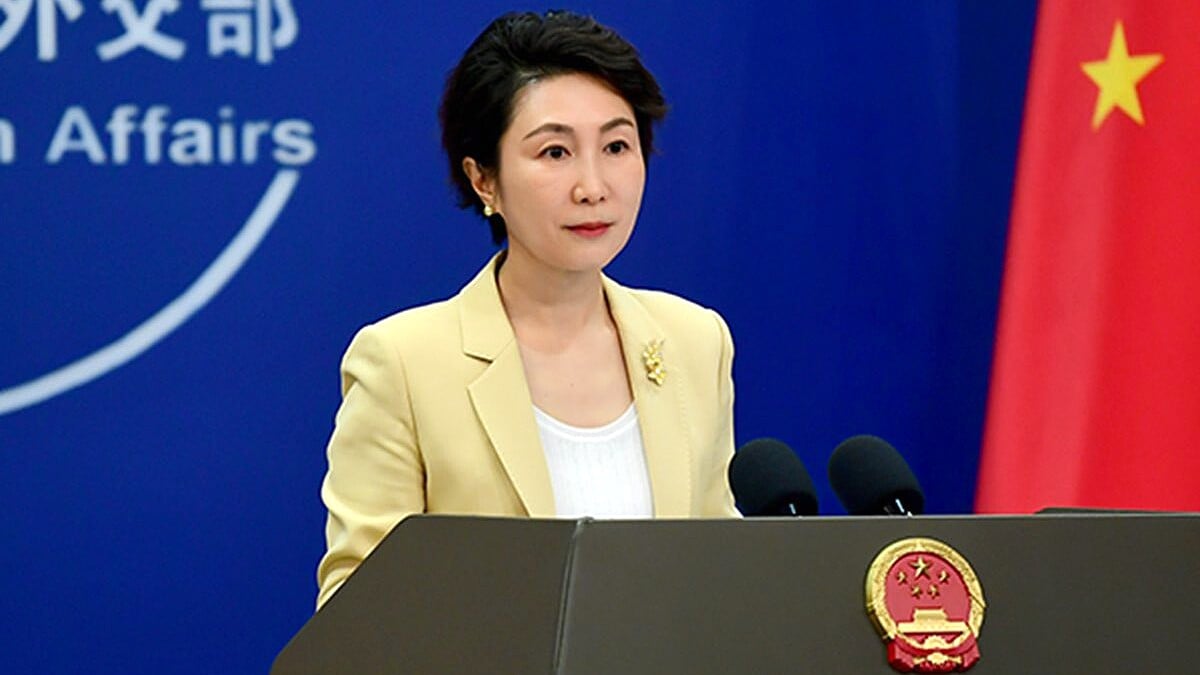
The Chinese Foreign Ministry spokesperson Mao Ning revealed the development at a regular press briefing in Beijing on Wednesday.
Afghanistan has confirmed that it’s territory would not be used against Pakistan for launching terrorism by the terrorists groups.
Both nations pledged not to take any steps that could escalate or complicate the situation further.
China has committed to maintaining close relations with Islamabad and Kabul while providing a platform for ongoing dialogue.
The agreement marks a potential turning point in the worst conflict between the neighbours since the Taliban returned to power in 2021.
Tensions flared in October 2025 following a major attack by the Tehrik-i-Taliban Pakistan that killed several Pakistani soldiers.
Pakistan responded with airstrikes deep into Afghan territory, including strikes on targets near Kabul.
Afghan forces retaliated with cross-border fire, leading to sporadic clashes that continued for months.
Disputed casualty figures from the initial exchanges ranged from dozens to over 200 fighters on each side, with independent estimates confirming significant losses.
Broader militancy linked to the porous border saw over 600 Pakistani security personnel killed in 2025 alone.
The border remained closed for more than five months, severely disrupting trade between the two countries.
Bilateral trade dropped 40 percent, falling from 2.46 billion dollars in 2024 to 1.77 billion dollars in 2025.
Pakistan’s exports to Afghanistan plunged by 56 percent in early 2026.
Monthly export losses averaged 177 million dollars due to the shutdown of key crossings at Torkham and Chaman.
Thousands of containers carrying essential goods were stranded at the border for weeks.
Food prices in Pakistan surged dramatically, with tomato prices rising by over 400 percent at the peak of the crisis.
In Afghanistan, the conflict worsened an already dire humanitarian situation.
Some 21.9 million people, nearly two-thirds of the population, now require humanitarian aid according to United Nations agencies.
Hundreds of thousands of Afghan refugees and migrants were forcibly repatriated from Pakistan amid the escalating tensions.
A Pakistani airstrike on a Kabul drug rehabilitation centre in March drew widespread condemnation, with Taliban officials claiming hundreds of civilian casualties.
China, which shares borders with both nations and maintains deep strategic ties through initiatives like the China-Pakistan Economic Corridor, intensified its mediation efforts.
Beijing deployed special envoys, held high-level telephone calls, and hosted the latest round of talks in Urumqi.
The recent meetings have been described as constructive by all parties involved.
Analysts view the agreement as crucial for restoring stability in South Asia, a region already strained by multiple security challenges.
Reopening the border could revive vital trade routes that serve as lifelines for millions.
Sustained dialogue is seen as essential to address underlying grievances, including Pakistan’s accusations that Afghanistan harbours Tehrik-i-Taliban Pakistan fighters, a claim Kabul firmly denies.
The Chinese initiative highlights Beijing’s expanding role as a regional peacemaker in South Asia.
With both sides committing to de-escalation, hopes have risen for a lasting ceasefire and renewed cooperation.
The breakthrough arrives as Pakistan grapples with economic pressures and seeks further International Monetary Fund support.
For Afghanistan, reduced border hostilities could ease pressure on its fragile economy reeling from years of isolation.
International observers have welcomed the development and urged both governments to capitalise on the momentum.
Mao Ning emphasised that China would release further details at an appropriate time.
This pact offers a rare glimmer of hope after months of bloodshed, economic losses running into hundreds of millions, and immense human suffering on both sides of the Durand Line.