



ISLAMABAD: Dramatic new claims from Iranian officials have cast a shadow over a recent United States military operation inside Iranian territory.
The mission, officially described as a high-risk rescue for a downed F-15E Strike Eagle crew, is now accused of pursuing a far more ambitious secret objective.
Iranian authorities allege the United States deployed more than 70 aircraft including heavy C-130 transports not merely to extract one pilot but to raid a concealed stockpile of 440 kilograms of uranium enriched to 60 percent.
This highly sensitive material, capable of rapid further processing toward weapons-grade levels, was reportedly hidden in underground facilities near central Isfahan province.
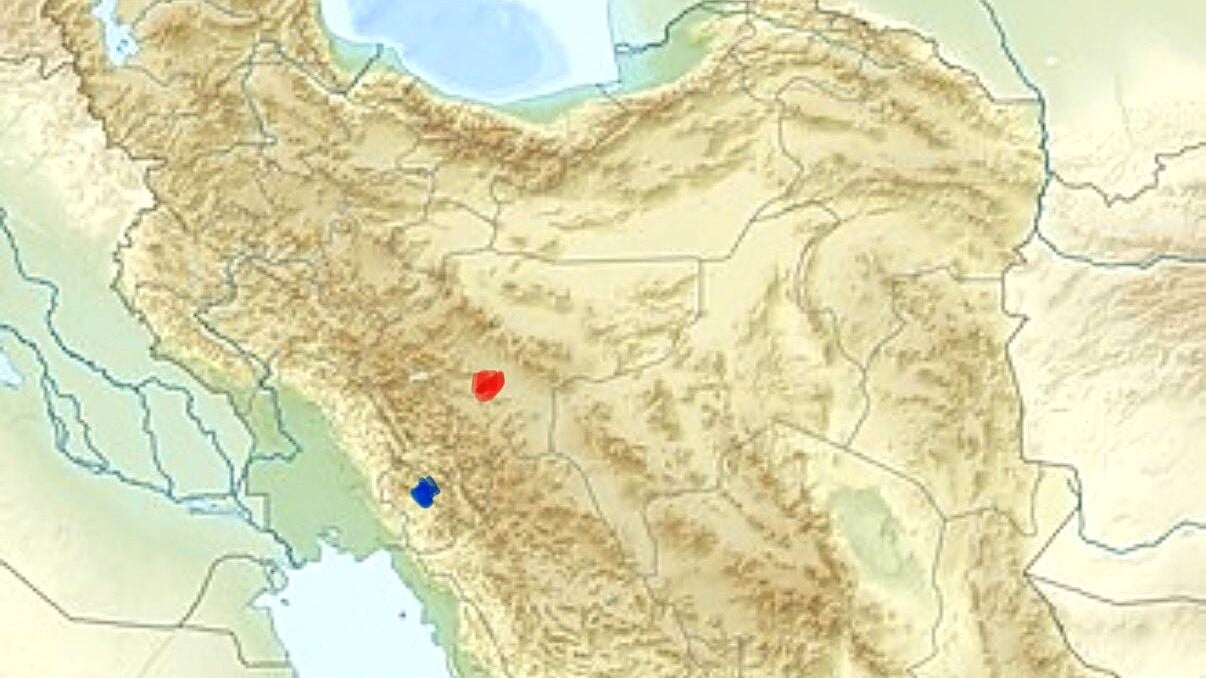
The F-15E fighter jet was shot down by Iranian air defences on April 3 in the rugged Kohgiluyeh and Boyer-Ahmad province of southwestern Iran.
US rescue operations and reported clashes with Iranian forces subsequently unfolded in central Isfahan province approximately 200 kilometres away from the primary crash site.
This significant geographical separation has fuelled intense speculation that the mission extended well beyond standard personnel recovery.
Iranian military sources claim American special forces and support aircraft converged suspiciously close to known nuclear-linked storage areas during the operation.
Regional media reports and Iranian state television have highlighted the scale of the US deployment as evidence of dual objectives.
Tehran asserts that its forces destroyed up to ten United States aircraft in heavy exchanges including multiple C-130 Hercules transports and Black Hawk helicopters.
US officials have confirmed the successful rescue of both the pilot and weapons systems officer after intense firefights yet acknowledged some aircraft losses during the complex extraction.
The 440-kilogram stockpile of near-weapons-grade uranium has been a focal point of international concern since earlier 2025 strikes on Iranian nuclear sites.
Satellite imagery and intelligence assessments indicate much of this material was relocated to hardened tunnels around Isfahan for protection.
Analysts note that physically seizing or neutralising such a quantity would require precisely the type of large-scale special operations support seen in the April mission.
Iranian Foreign Ministry spokesperson Esmaeil Baghaei publicly questioned the unusual distance between the reported pilot location and the zones of major US aerial activity.
Footage released by Iranian media purports to show wreckage of downed American aircraft scattered across desert terrain near Isfahan.
The operation involved dozens of warplanes and elite commando units operating deep inside hostile airspace under cover of darkness.
Defence experts describe the risks as extraordinarily high regardless of the stated goal of pilot extraction.
US President Donald Trump hailed the mission as one of the most daring in recent American military history.
Nevertheless Iranian claims of foiling an attempted uranium heist have gained traction across regional outlets.
The incident underscores persistent suspicions surrounding Iran’s nuclear programme amid ongoing conflict with the United States and Israel.
International Atomic Energy Agency estimates from before the latest escalations placed Iran’s enriched uranium holdings at precisely this critical threshold.
Any successful seizure of the stockpile would have represented a major strategic victory for Washington yet carried catastrophic escalation potential.
As both sides continue to release competing narratives the full details of the April 3 to 5 operation remain under global scrutiny.
The controversy has reignited debates over the true motives behind high-risk incursions into sovereign Iranian territory.
Regional observers warn that such incidents only deepen mistrust and complicate future diplomatic efforts in West Asia.