



ISLAMABAD: In a high-stakes diplomatic counter-offensive Israel has launched an all-out effort to derail the near-finalised Islamabad Accords between the United States and Iran warning that the Pakistan-brokered deal threatens its core security interests.
Pakistani mediation has brought Washington and Tehran to the verge of an immediate ceasefire and comprehensive settlement with only signatures required.
The two-tier framework drafted in Islamabad calls for an instant halt to hostilities reopening the Strait of Hormuz within 15 to 20 days.
Before the conflict the strait handled nearly 20 million barrels of oil daily representing 20 per cent of global consumption and 27 per cent of seaborne trade.
Disruptions have already cut global supply by up to 8 million barrels per day forcing Gulf producers to slash output by 10 million barrels daily.
Israeli officials view the accords as a dangerous compromise that fails to deliver the total dismantlement of Iran’s missile and drone programmes or the removal of its current government.
Senior Israeli sources have confirmed to regional media that Tel Aviv is actively lobbying Washington to withhold approval and is coordinating with key US lawmakers to attach conditions demanding full regime transformation.
The effort includes urgent back-channel communications with the US Vice President’s office and direct appeals to American defence hawks who share Israel’s long-standing demand for complete elimination of Iran’s ballistic missile arsenal.
Iran possessed more than 3 000 ballistic missiles before the war one of the largest stockpiles in the Middle East.
Even after US and Israeli strikes destroyed up to 70 per cent of launchers intelligence assessments indicate 1 500 to 2 500 missiles remain operational.
Israeli military briefings insist that any deal preserving even a fraction of this capability leaves Israel vulnerable to future attacks.
The human cost has been severe with over 2 076 confirmed deaths and 26 500 injuries in Iran 24 Israelis killed and thousands wounded plus 13 US service members lost.
Despite these figures Israeli Prime Minister’s office has issued repeated statements rejecting any pause short of Tehran’s complete capitulation including prevention of any Pahlavi-family return to power.
Regional media outlets in Tel Aviv and Jerusalem report that Israel has mobilised its diplomatic corps across Europe and the Gulf to pressure signatories and is preparing public dossiers highlighting alleged Iranian violations of past agreements.
The Islamabad Accords explicitly exclude Israeli maximalist goals positioning Pakistan as a neutral facilitator trusted by both Washington and Tehran.
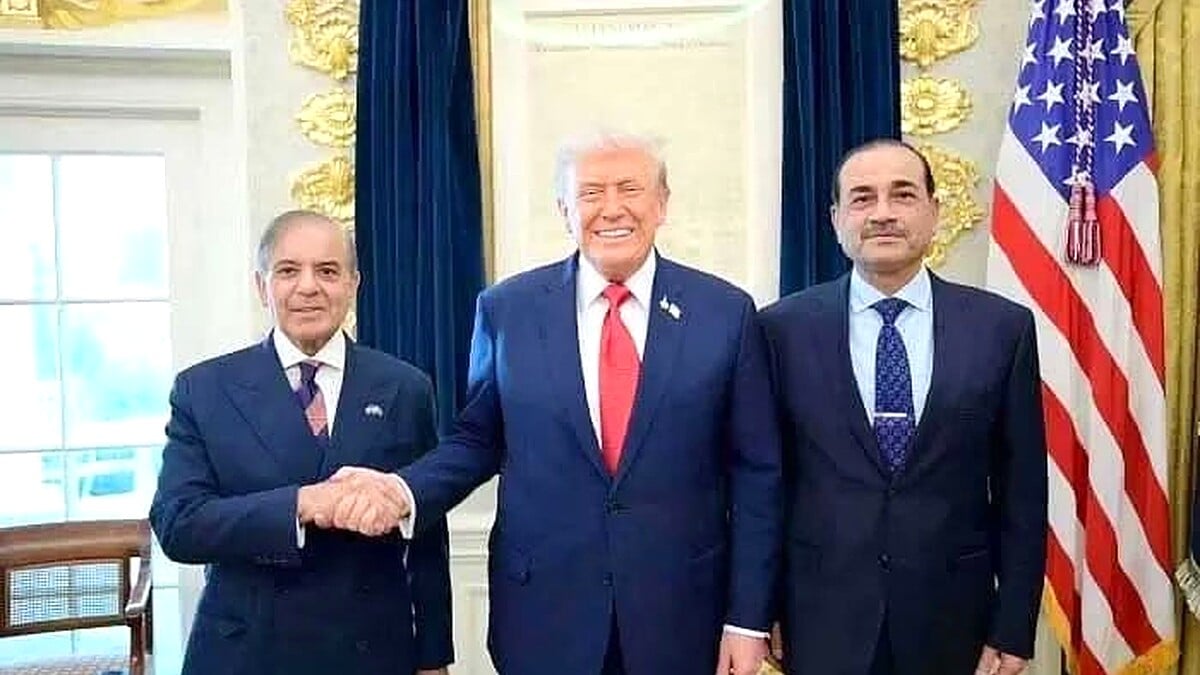
Defence analysts note that Israeli efforts have intensified since Pakistani Army chief Field Marshal Asim Munir facilitated overnight contacts between US envoy Steve Witkoff Iranian Foreign Minister Abbas Araqchi and American officials.
Sources close to the talks reveal that Israel has threatened to conduct unilateral strikes if the deal proceeds without its core demands incorporated.
Such a move could reignite hostilities just as global oil markets stabilise with the strait’s reopening projected to restore 20 per cent of energy flows within days.
Asian importers who rely on 84 per cent of the strait’s oil and 83 per cent of its liquefied natural gas stand to benefit most from the ceasefire.
Pakistan’s shuttle diplomacy has drawn praise for keeping channels open yet faces growing Israeli criticism for sidelining Jerusalem’s red lines.
Final electronic approval of the memorandum is expected within hours followed by an in-person signing ceremony in Islamabad.
Israeli diplomatic sources have warned that any perceived weakness in the US position could embolden Iran and destabilise the region further.
The intense Israeli campaign underscores deep divisions over the future of Middle East security with Tel Aviv insisting that lasting peace requires the total destruction of Iran’s defensive infrastructure.
Observers monitoring the situation caution that successful Israeli intervention could collapse the fragile consensus achieved through weeks of relentless Pakistani mediation.
As global attention focuses on Islamabad the next 48 hours will determine whether the accords survive Tel Aviv’s determined efforts to derail them or whether a new phase of escalation begins.
The development highlights Pakistan’s rising role as intermediary while exposing the limits of back-channel diplomacy when facing determined regional opposition.